A solid surface bathtub is an engineered bathtub made from mineral-filled resin, widely used in modern bathrooms for its durability, seamless design, and low maintenance.
Bathtub selection rarely fails at the design stage. Problems show up after installation, when cleaning routines slow down, surfaces start marking, or inconsistencies appear across rooms. At that point, replacement becomes the only fix.
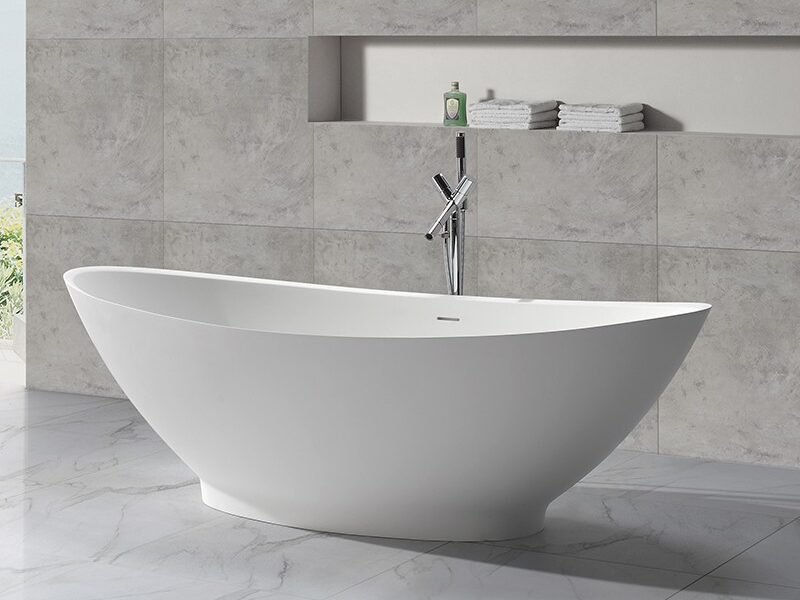
Material choice plays a direct role in how a bathroom performs over the years of use. A solid surface bathtub is a suitable option for projects that consider durability, hygiene, and visual consistency as main factors for a bathtub.
This article examines how solid surface bathtubs perform in real conditions, where they work best, and what decisions must be made correctly at the specification stage.
What Are Solid Surface Bathtubs?
A solid surface bathtub is a surface material made from a blend of natural minerals and resins, forming a dense, non-porous material throughout. That composition removes weak layers and surface coatings that typically fail first.
Solid surface bathtubs are commonly used as freestanding bathtubs and luxury bathtub options because they offer:
- Non-porous structure: The material does not allow water or contaminants to pass through it. Cleaning remains effective over time.
- Uniform composition: Scratches do not expose a different layer underneath. Surface integrity remains consistent even after wear.
- Controlled finish: Every unit looks and behaves the same, which matters in multi-room projects.
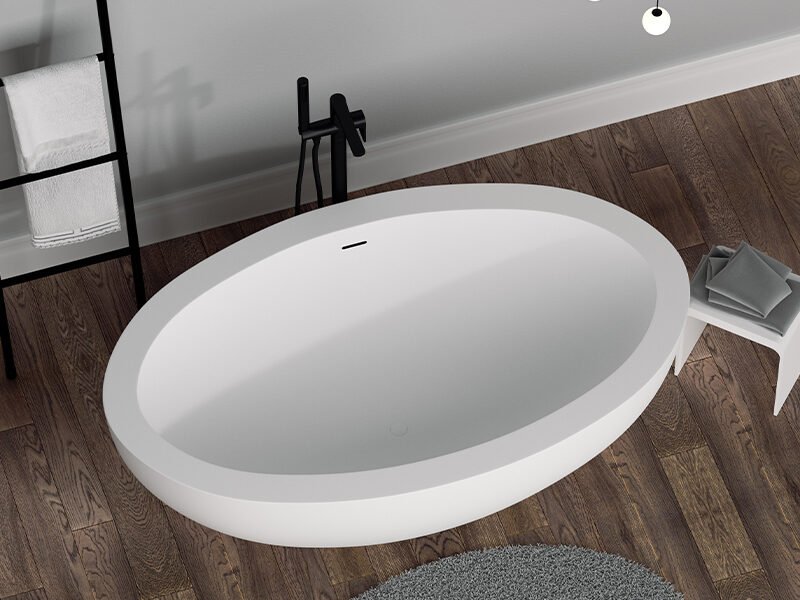
A luxury bathtub is often judged visually. Performance becomes visible only after months of use. Materials that rely on coatings tend to degrade unevenly. Cleaning cannot restore them once damage sets in.
Solid surface avoids that failure pattern. That is why it is increasingly specified for freestanding bathtub designs that need to maintain their appearance long after installation.
How Solid Surface Bathtubs Are Manufactured
The performance of a freestanding solid surface bathtub begins with a controlled manufacturing process designed for precision and repeatability.
1. Mixing raw materials
The first step is to mix natural minerals together with resins and pigments to form a uniform compound. This phase sets the bathtub’s color, texture, and general make-up.
2. Casting into molds
We pour the mixture into molds that give the shape of the bathtub. This process allows the production of a variety of products, from catalog items to highly customized one-of-a-kind creations, including freestanding types.
3. Curing and shaping
The composition is set in a dense, robust form using a curing process that is performed at a specified temperature. It can be reworked to satisfy strict design requirements.
4. Surface finishing
After the surface of the tub is carefully sanded and polished, it will have a fine, uniform look either in matte or gloss.
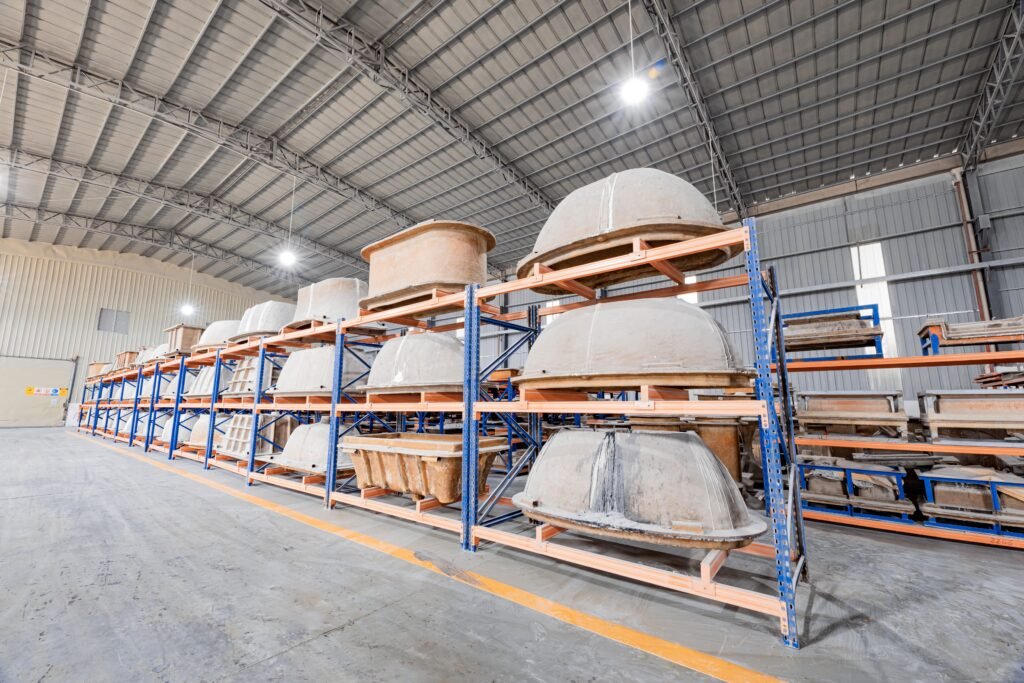
KKR Bathtub Workshop
Each process is monitored closely to consistently produce high-quality products for the projects that require multiple identical units.
Durability Advantages in Everyday Use
Durability is one of the core solid surface tub benefits. The material itself has been designed to endure the rigors of everyday usage without deterioration of its physical form or visual effects.
The dense nature of the material can withstand impacts with other surfaces without getting damaged. That is why it can be used in homes and commercial places. While other materials may be susceptible to breaking or cracking with frequent use, a solid surface bathtub will remain intact even after many years of use.
Bathrooms must also be designed with moisture resistance as one of the top priorities. Solid-surface, non-porous materials do not allow water to enter and thus prevent mold growth.
For property developers and managers of large buildings, these strong features mean they will need to change units less frequently and save on expenses in the long run. A solid surface bathtub for hotels is a great investment because it does not wear out easily in high-use areas like hotels or serviced apartments.
Seamless Design and Modern Aesthetics
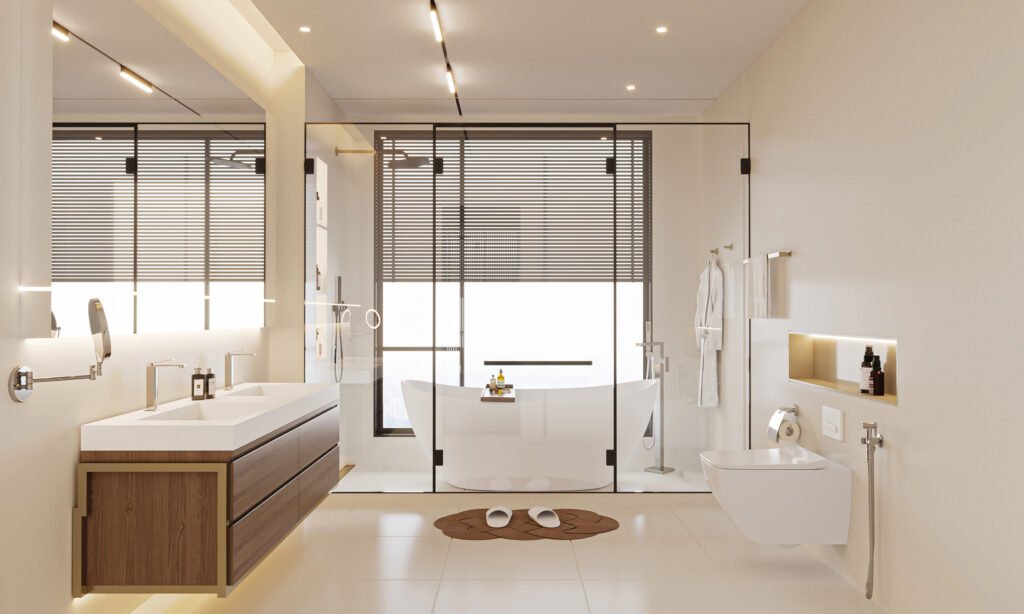
Solid surface bathtubs can be crafted with airy, smooth lines. The surfaces are unbroken, which results in a pristine, modern look.
Actually, the worth of a bathtub is so much higher than many people think. But as a freestanding solid surface bathtub, it is especially valuable because in the majority of cases, the bathtub will be the bathroom’s main element. No visible joints or fittings add to the beauty of the bathroom.
Design possibilities add another dimension to the overall design. The solid surface material can create simple geometric shapes or elaborate and detailed shapes, depending on what you want and need.
Easy Maintenance and Repairability
The solid surface, which is non-porous, stops stains, mold, and bacterial buildups, so cleaning can be fast and effective even with standard cleaning agents. Flat surfaces also mean fewer spots where dirt can gather, so hygiene is always maintained.
What’s more, these bathtubs can be repaired if required. In many cases, small scratches or marks on the surface can be removed by sanding and restoring the finish without the need for a complete replacement of the bathtub. This not only extends the life of the product but also reduces maintenance costs in the long run.
For those who have several units to run, the simplicity of cleaning and maintenance becomes a major convenience. The cleaning procedures of the solid surface bathtub for hotels will remain efficient, and any surface damage can be repaired with minimal time lost.
Solid Surface Tub Benefits For Hotels
Hotels are always packed, and they stay packed only if they offer a good experience. Solid surface bathtubs meet their requirements in several ways.
- High durability for frequent use
The material endures frequent use without losing its look or functional qualities. - Efficient cleaning and maintenance
The cleaning crew will really appreciate the matte, non-porous surfaces which are simple to maintain and clean. - Consistent appearance across rooms
Engineered production delivers uniform design, which supports brand consistency all over the property. - Reduced long-term costs
Resistance to wear and the repairability feature can greatly reduce replacement and maintenance-related expenses over time. - Enhanced guest experience
A well-designed, solid surface bathtub epitomizes a clean and contemporary aesthetic, one that helps elevate a bathroom to a truly luxurious level.
For hospitality projects, these advantages support both operational efficiency and customer satisfaction, making a solid surface bathtub for hotels a practical and strategic choice.
Applications Across Modern Bathroom Projects
Solid surface bathtubs are used across multiple project types, but the correct specification determines success.
Common applications include:
- Hospitality projects
- Premium residential developments
- Serviced apartments
- Wellness and spa environments
The specified requirements must be correct from the start, or else the inevitable defects will be permanent, and the damage could come from simple things like the wrong thickness, the unfinished surface, or the poor placement. Besides that, design choices have to be supported by actual conditions of use and not be merely motivated by the desire for a certain look.
Design Decisions That Impact Long-Term Performance
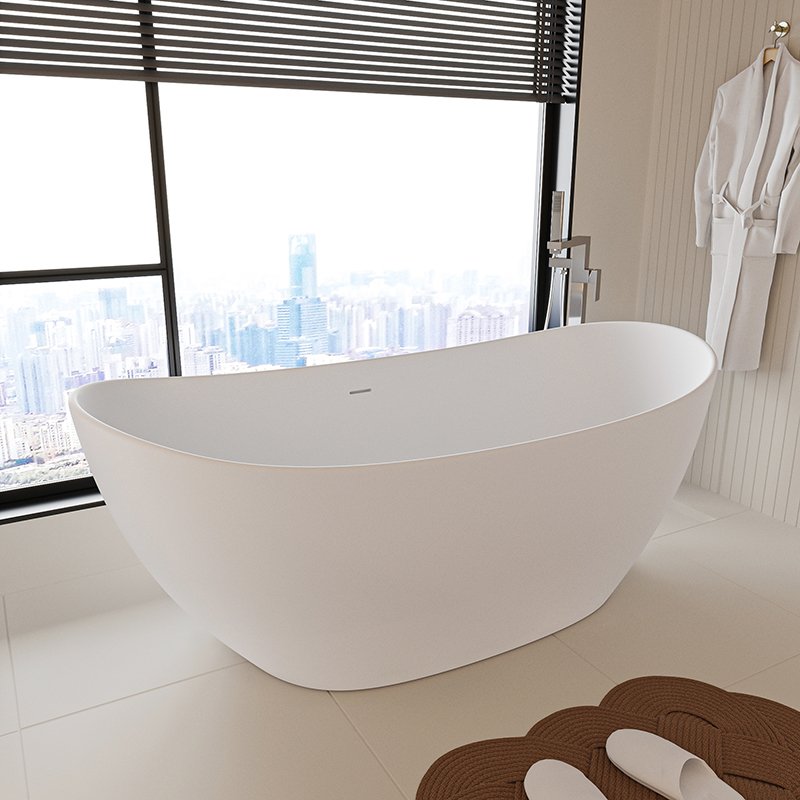
Bathtub selection does not end with choosing a material. To select a tub just by its material type isn’t the end of the story. There are many design aspects that change the way a tub made of a solid surface may behave once it is installed, particularly in the case of a heavily used bathroom.
Small specification choices often create long-term consequences:
- Surface finish: Matte finishes are generally superior for concealing scratches and wear. Gloss finishes appear more luxurious initially, but show scratch marks clearly.
- Edge profile: Sharp edges are more likely to chip due to heavy usage or accidents. Rounding the edges not only enhances the strength of the product but also makes it less likely to cause injury in case of impact.
- Base support: Improper support can lead to stress points, which may affect stability over time. While not initially obvious, it develops with regular use.
- Placement and access: The placement of the tub should be easy to access for cleaning and maintaining the surface.
These decisions are often overlooked because they do not affect the initial appearance. Their impact becomes clear only after months of operation.
Adjustments at this stage are limited. Once installed, structural and placement issues cannot be corrected without replacement.
A solid surface bathtub performs best when design choices align with real usage conditions, not just visual intent.
Solid Surface Bathtubs vs Other Materials
Material selection for bathtubs is often driven by cost and appearance at the early stage. Performance differences become visible only after installation, when maintenance effort increases, or surface quality starts to decline.
| Feature | Solid Surface | Acrylic | Fiberglass | Cast Iron |
| Material Type | Solid, homogeneous | Plastic with surface coating | Reinforced plastic | Metal with enamel coating |
| Surface Durability | High, consistent throughout | Moderate, surface wear over time | Lower, prone to scratches | High but surface can chip |
| Maintenance | Low, easy to clean | Moderate | Moderate to high | Moderate (care needed for enamel) |
| Repairability | Repairable and refinishable | Limited | Limited | Difficult once chipped |
| Weight | Moderate | Lightweight | Lightweight | Very heavy |
| Seamless Design | Yes | Limited | Limited | No |
| Long-Term Performance | Stable and predictable | Surface degrades over time | Prone to wear | Durable but less flexible |
A solid surface bathtub offers a more controlled outcome, especially in projects where durability, maintenance efficiency, and long-term consistency are critical.
Specify the Right Solid Surface Bathtub for Your Project
A solid surface bathtub combines durability, a seamless design, and ease of maintenance, making it a perfect fit for today’s bathroom designs.
KKR Bath has substantial experience with projects involving hospitality and commercial sectors, wherein consistency in production between units and long-term reliability are crucial considerations. Each unit is produced under stringent manufacturing procedures, guaranteeing consistency, exactness, and efficiency during production.
Whether dealing with the size, form, surface treatment, or assembly requirements, KKR Bath caters to project-based requests without sacrificing the functionality of the materials used.
In terms of manufacturing capability, KKR Bath assures consistent production, even when producing large batches of units.
Contact KKR Bath for more information about solid surface bathtubs.