
People usually think that replacing a bathtub is easy. But bathtub replacement cost depends on many different factors. The biggest question is how much a bathtub replacement costs in 2026. The answer depends on factors like materials, labor, plumbing work, and hidden costs. In this blog, you’ll find a complete breakdown of bathtub replacement cost, so you can plan your budget confidently.
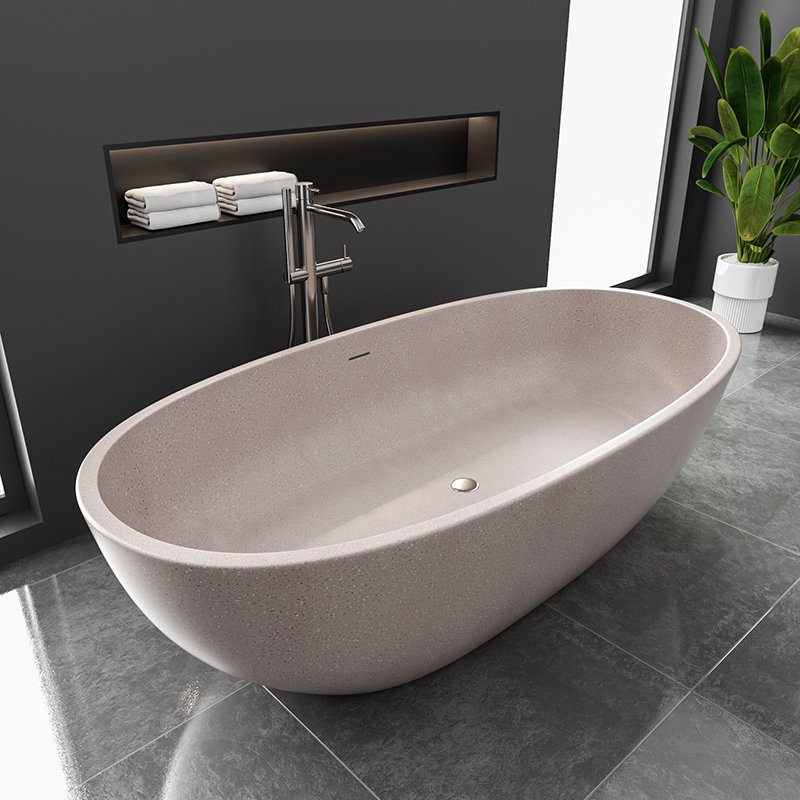
Total Bathtub Replacement Cost in 2026
The average bathtub replacement cost ranges between $800 and $5,500+ (including the bathtub and installation).
- Basic replacement: $800 – $1,500
- Mid-range upgrade: $1,500 – $3,500
- Premium installation: $3,500 – $5,500+
If you’re thinking about the cost of replacing a bathtub, the final price depends on the type of tub, labor charges, and additional work required.
Bathtub Replacement Cost Breakdown
To understand the full bathtub installation cost, first understand its
1. Bathtub Material Cost
- Acrylic tub: $300 – $1,000
- Solid surface tub: $1,000 – $3,000
- Cast iron tub: $1,500 – $4,000
Material plays a big role in the total bathtub replacement cost.
2. Labor Cost
- Standard installation: $500 – $2,000
- Complex installation: $2,000 – $3,500
Labor is an important part of the bathtub installation cost, especially if plumbing or structural changes are needed.
3. Plumbing Cost
- Minor adjustments: $200 – $600
- Major plumbing work: $600 – $1,500
If you’re relocating the bathtub, the cost will increase significantly.
4. Removal & Disposal
- Old tub removal: $150 – $500
Removing an old bathtub is often included in the bathtub replacement cost, but not always, so check beforehand.
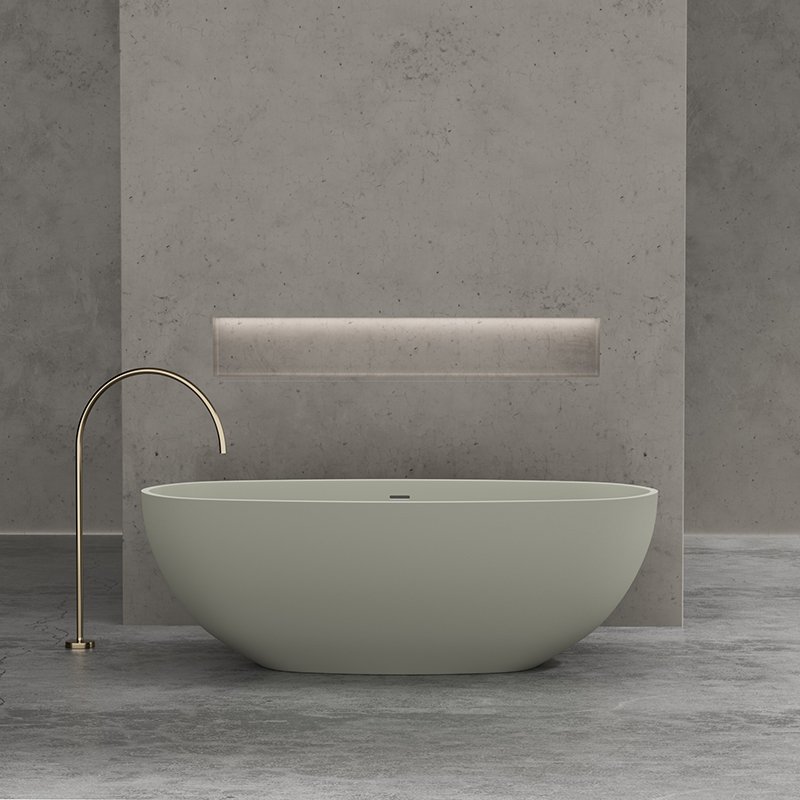
Bathtub Material Comparison (Which One Should You Choose?)
Choosing the right material for the bathtub is important, as it determines how long it lasts without damage. It also affects overall cost, including both the initial price and future maintenance or replacement expenses.
Acrylic Bathtubs
- Lightweight and affordable
- Easy to install
- Best for budget-friendly projects
Acrylic bathtubs are the most common choice when people look for a way to replace a bathtub at a lower cost.
Solid Surface Bathtubs
- Premium look and feel
- Durable and repairable
- Higher upfront cost
Solid surface bathtubs are great for use, as they are a great balance between luxury and long-term value.
Cast Iron Bathtubs
- Extremely durable
- Heavy and long-lasting
- Expensive installation
These increase the overall bathtub installation cost due to weight and labor.
Bathtub Material Comparison -Which One Should You Choose?
Choosing the right material is one of the most important decisions in the replacement process. It affects not just the upfront price, but also long-term maintenance, durability, and overall appearance.
Acrylic Bathtubs
Acrylic is the most popular choice for homeowners asking about how much to replace a bathtub at the lowest possible cost. These tubs are lightweight, easy to install, and available in a wide range of colors and styles. They are best suited for residential use where budget is the primary concern. While acrylic is durable, it can be more prone to surface scratches over time compared to higher-end materials.
Solid Surface Bathtubs
Solid surface tubs represent a premium tier that bridges luxury and long-term practicality. They are non-porous, which means they naturally resist bacteria, mold, and stains, which is a major advantage in both residential and high-traffic commercial environments. Surface scratches can be buffed and repaired without professional help. Solid surface tubs are also eco-friendly, non-toxic, and anti-yellowing, maintaining their appearance even after years of daily use. While the upfront bathtub installation cost is higher, the material pays for itself through reduced maintenance and an extended lifespan. They are widely used in 5-star hotels, luxury resorts, and villas globally.
Stone Resin / Cultured Marble Bathtubs
Stone resin and cultured marble tubs offer a natural stone-like finish with excellent heat retention properties. They are heavier than acrylic but lighter than cast iron, making them a middle-ground choice for buyers who want an upscale aesthetic without the extreme weight of cast iron. These are particularly popular in villa and resort projects where design impact matters.
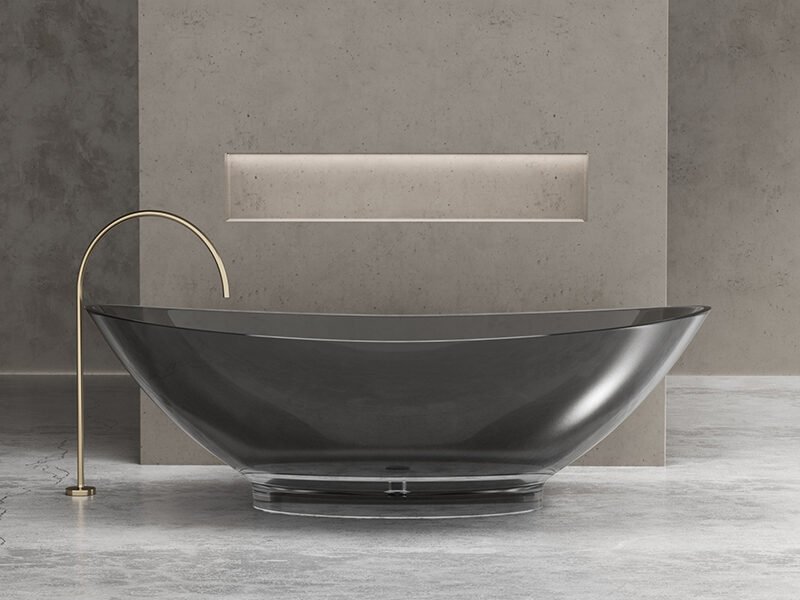
Cast Iron Bathtubs
Cast iron is the most durable bathtub material available. These tubs are extremely heavy, which means both transportation and installation costs are higher, making them the most expensive option overall. However, they can last decades and are an excellent long-term investment for homeowners who want a permanent, high-quality fixture.
Hidden Costs You Should Know
Many owners underestimate the real bathtub replacement cost because of hidden expenses. Understanding these factors helps you plan a more accurate budget and avoid surprises.
1. Demolition Work
Removing the old bathtub involves breaking surrounding tiles, walls, or flooring, which adds to labor and disposal costs. Depending on the complexity and material, demolition work ranges from $300 to $1,000.
2. Waterproofing
Waterproofing prevents leaks, mold, and long-term water damage after installation. This usually costs between $200 and $800, but avoiding it can lead to expensive repairs later, making it a necessary investment.
3. Structural Changes
If the existing flooring, plumbing, or wall structure is damaged or incompatible with the new tub, modifications will be required. These repairs can significantly increase the overall cost, especially in older homes where hidden damage is common.
4. Transportation
Bathtubs, with heavy materials like cast iron or stone resin, require careful handling and delivery. Transportation and handling charges can go up to $100 to $500, depending on the weight, distance, and accessibility of your location.
These hidden costs can significantly impact how much it costs to replace a bathtub, so it’s always smart to keep an extra 10–20% budget buffer for unexpected expenses.
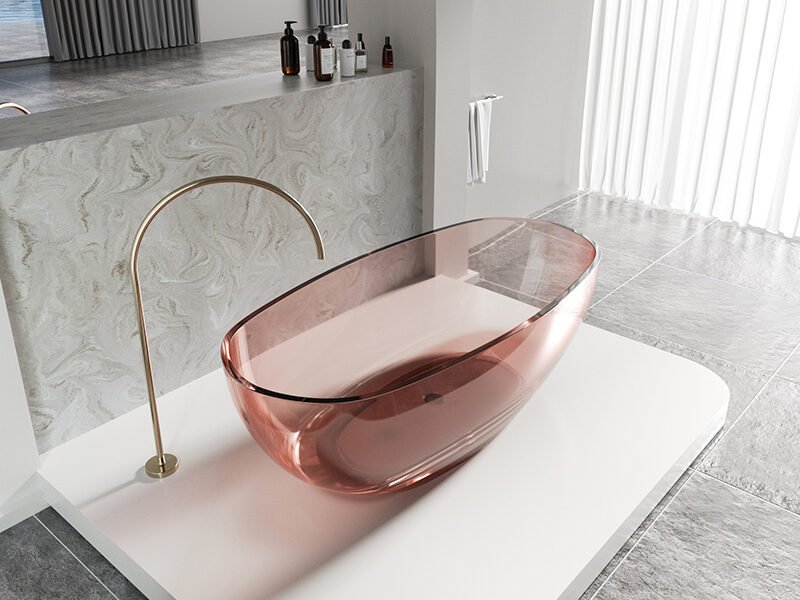
Bathtub Replacement Cost Table
Check out the table to get a clear overview of the total bathtub installation cost.
| Cost Component | Price Range (USD) |
| Bathtub (Material) | $300 – $4,000 |
| Labor | $500 – $3,500 |
| Plumbing | $200 – $1,500 |
| Removal | $150 – $500 |
| Hidden Costs | $200 – $1,500 |
| Total Cost | $800 – $5,500+ |
Commercial vs Residential Bathtub Replacement
When it comes to bathtub replacement, the cost and requirements differ greatly depending on whether the project is residential or commercial. Understanding which category your project falls into helps you plan your budget more accurately.
Residential Projects
Residential bathtub replacement is by far the most common type, and most homeowners asking how much to replace a bathtub fall into this category. These projects are generally lower in complexity since the bathroom layout is fixed, usage is limited to a single family, and design choices are driven by personal comfort and aesthetics. Homeowners typically have more flexibility in choosing materials, styles, and finishes that suit their taste and budget.
The cost for a residential bathtub replacement usually ranges from $800 to $3,500, depending on the tub material, labor charges, and whether any minor plumbing adjustments are needed. Since the focus is on comfort and design, acrylic and fiberglass tubs remain the most popular and affordable choices for homeowners.
Commercial Projects (Hotels, Apartments)
Commercial bathtub replacement is a much more demanding undertaking. Hotels, apartment complexes, and other commercial spaces experience significantly higher foot traffic and daily usage, which means standard residential tubs simply won’t hold up over time. These projects require stronger, more durable materials such as solid surface or cast iron that can withstand constant wear and tear. While choosing premium materials increases the overall bathtub installation cost, it reduces long-term maintenance expenses and minimizes the need for frequent replacements.
The bathtub replacement cost for commercial projects typically ranges from $2,000 to $6,000 or more, depending on the scale of the project, number of units, material specifications, and local labor rates. Bulk replacements in apartment buildings may also involve additional plumbing upgrades, waterproofing work, and compliance with building codes, all of which add to the final cost.
How to Save on Bathtub Replacement Cost
If you want to reduce your bathtub replacement cost, then smart planning makes all the difference. Start by choosing acrylic tubs, which are the most budget-friendly material available. Acrylic tubs can lower the cost of replacing a bathtub in your home. One of the best ways to control your bathtub installation cost is to avoid changing your existing plumbing layout. Rerouting pipes can add hundreds of dollars to the final bill.
Always compare multiple contractor quotes before committing, as prices can vary widely between professionals for the same job. Another smart move is to schedule your replacement during a larger bathroom renovation, since bundling projects together saves on labor costs overall. With the right approach and a little research, you can bring down your total bathtub replacement cost without compromising on quality or durability.
What Commercial Projects Reveal
KKR’s completed projects span luxury hotels, private villas, resorts, and large-scale apartment complexes across more than 200 countries, including high-profile installations at properties like the Mandarin Oriental and Six Senses La Sagesse. These projects consistently highlight three key cost factors that commercial buyers should plan for:
First, material durability drives long-term savings. In high-traffic hotel environments, solid surface and stone resin tubs dramatically reduce replacement frequency compared to acrylic alternatives. While the upfront bathtub installation cost is higher, the total cost of ownership over 10 years is significantly lower.
Second, customization affects project cost. Most commercial projects require custom-sized or custom-shaped tubs to fit specific bathroom layouts. KKR’s engineering team supports this through CAD drawing services, custom mold manufacturing, and precise batch production, all of which affect per-unit costs but eliminate costly on-site modifications.
Third, bulk ordering reduces per-unit cost. For apartment complexes or hotel chains replacing tubs across 50, 100, or 200+ rooms, volume pricing significantly reduces the overall bathtub replacement cost per unit. Coordinating a single supplier for all bathroom fixtures, bathtubs, basins, and vanity tops further reduces logistics and procurement costs.
Final Thoughts
Understanding when to replace a bathtub helps you plan better and avoid unexpected costs. From material choice to labor and hidden expenses, every factor affects the final bathtub replacement cost. If you’re planning a bathroom upgrade, investing in the right material and professional installation ensures long-term value and performance.
Getting multiple quotes from licensed contractors helps to compare pricing and choose a service that fits your budget without compromising on quality. With careful planning, the right choices, and a trusted professional by your side, your new bathtub can transform your bathroom into a comfortable and functional space for years to come.
FAQ’s
1. How much does it cost to replace a bathtub in 2026?
The average cost ranges from $800 to $5,500, depending on material, labor, plumbing work, and your bathroom’s existing condition and layout.
2. What is the average bathtub replacement cost?
The typical bathtub replacement cost is around $1,500 to $3,500 for most homes, varying by tub type, size, and installation complexity.
3. Why is the bathtub installation cost so high?
Labor, plumbing, and demolition work significantly increase the total bathtub installation cost, especially in older bathrooms requiring pipe updates or structural repairs.
4. Which bathtub material is best?
Acrylic is best for budget-conscious buyers, solid surface offers superior durability, and cast iron provides premium longevity and excellent heat retention for long-term use.
5. Can I replace a bathtub myself?
DIY replacement is possible but not recommended, since plumbing connections, waterproofing, and proper sealing require professional expertise to avoid costly water damage later.