
Bathroom procurement is a critical component of any hotel construction project. If you are a developer or project manager, then it is essential for you to carefully plan how to source bathroom products.
Your construction projects build not only your client’s reputation and brand but yours as well. Therefore, using products that can withstand daily use, all while maintaining a clean and consistent appearance, is the best way to make your name.
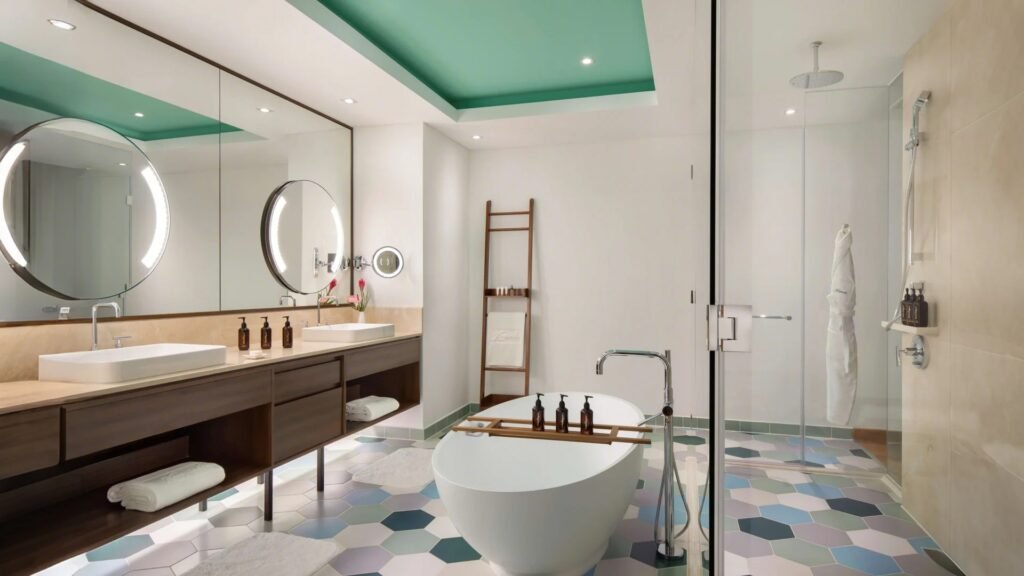
The reality is that in hospitality environments, bathrooms are constantly being exposed to moisture. They are cleaned frequently too, due to high guest turnover rates. Because of this, whatever materials and fixtures you select for each project, they should be able to meet strict durability and hygiene requirements.
It is important that you understand that making poor procurement decisions might cause hotels to inevitably endure higher maintenance costs, delays in project completion, and inconsistencies across rooms.
To avoid making such a blunder, you need a well-structured bathroom procurement guide for hotel projects to help you ensure that all components, from sanitaryware to wall materials, are selected with performance, cost efficiency, and long-term use in mind.
In addition, when you use a good procurement guide, it will also allow you to better coordinate project customized bathroom solutions that align with the design, brand standards, and the operational needs of the hotel.
So, in this guide, we will walk you through the key procurement stages, explain how to select suitable materials, and outline how you can choose reliable suppliers to keep your project timelines on track.
Understanding The Hotel Bathroom Procurement Scope
Since bathroom procurement requires a lot of planning and meticulous execution, before you get started, you should first try to improve your understanding of what bathroom procurement actually includes.
Unfortunately, many developers tend to underestimate the difficulty and significance of this stage. If you believe that bathroom procurement is just about purchasing a few fixtures, then you have it all wrong, and a mindset like that can typically cause mistakes.
We at Kingkonree International understand that bathroom procurement is, in fact, a rather complex process that has many intricacies and, as such, requires the coordination of several product categories.
These product categories must all come together seamlessly for a successful project.
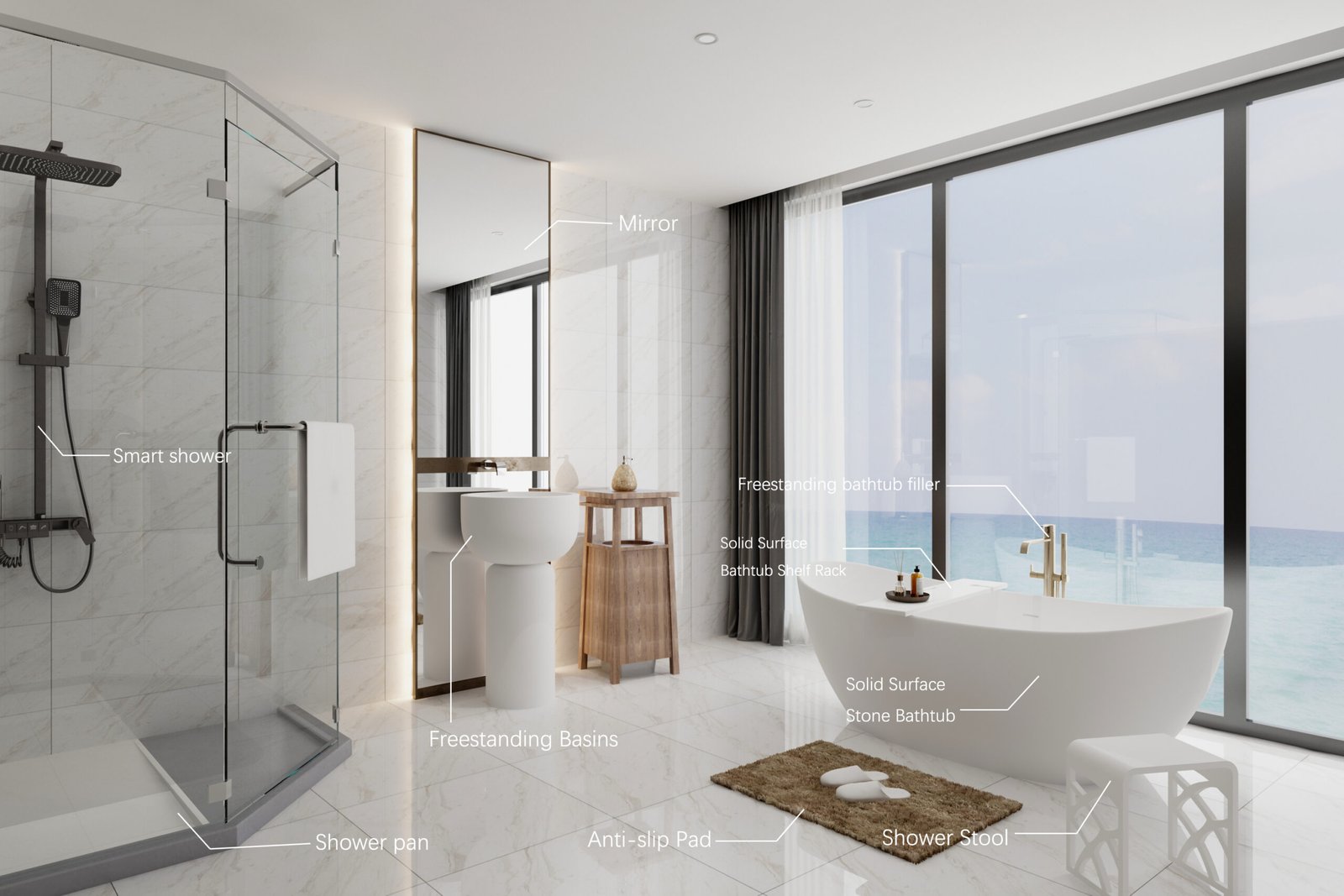
In hotel construction projects, bathroom procurement typically covers sanitaryware such as:
- toilets
- basins
- bathtubs
- vanity units
- countertops
- storage solutions.
It also includes wall and floor materials, shower systems, plumbing fixtures, and all of the other smaller accessories that will make the space complete.
All of these components are interconnected. Consequently, you should not approach procurement in isolation.
Instead, when you are selecting each item, consider its compatibility, durability, and installation requirements.
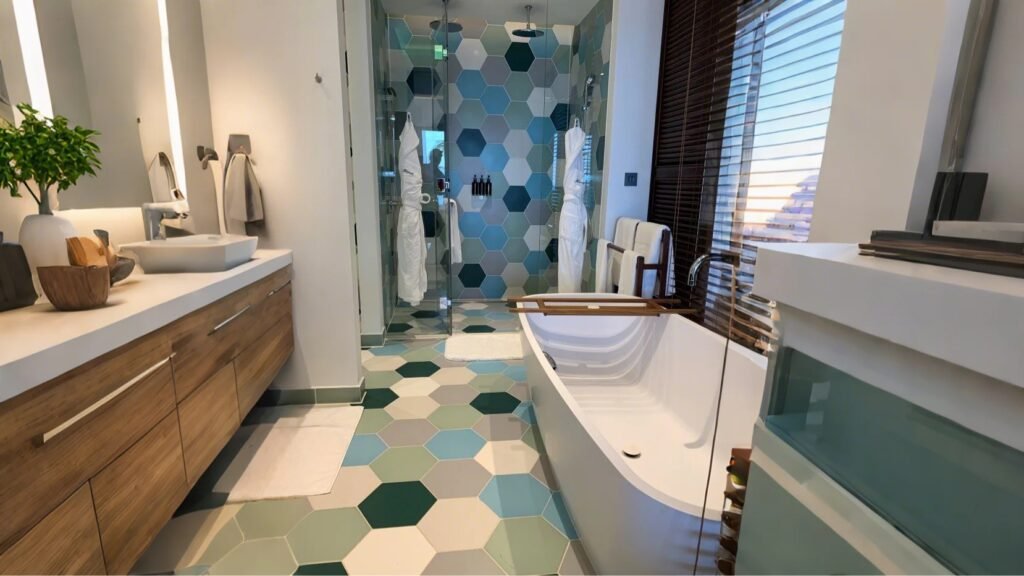
Keep in mind that if one element is overlooked or mismatched, then the appearance and, equally, the performance of your entire bathroom project can be affected.
For the best results, we recommend that you approach bathroom procurement as a coordinated process instead of a simple purchasing task. When you take the time to clearly define the scope, you can:
- reduce the risk of delays
- avoid costly mistakes
- ensure that all bathroom products for construction projects meet the standards required for hospitality environments.
Key Procurement Stages in Hotel Construction
The bathroom procurement stage of any hotel construction project is never just a single step. It is more of a lengthy process that should be completed in a series of stages.
Each stage plays an important role in determining the success of your project.
To avoid issues like delays or even the risk of it, cost overruns, and inconsistent product quality, approach procurement without a clear structure. To do so successfully, you need to understand each stage and then plan accordingly.
1. Project Planning and Specification
From the very start of the project, you need to define your requirements clearly. This includes:
- the type of hotel you are building
- your budget
- level of quality expected for the bathroom spaces.
You also need to predetermine the materials, finishes, and performance standards that ought to be used throughout the entirety of the project. This step is important because it will help to set the foundation for all the procurement decisions that might follow.
2. Supplier Sourcing and Evaluation
After you have outlined the specifications, your next step is to clearly identify and evaluate the potential suppliers.
Look for professional and, if possible, highly experienced manufacturers or suppliers who have experience working on hotel construction projects and can provide you with project-customized bathroom solutions.
You will also need to assess each manufacturing candidate’s production capacity, product consistency, and ability to meet the timeline requirements for your project. This is very important.
Choosing the wrong supplier at this stage can lead to serious issues later in the project.
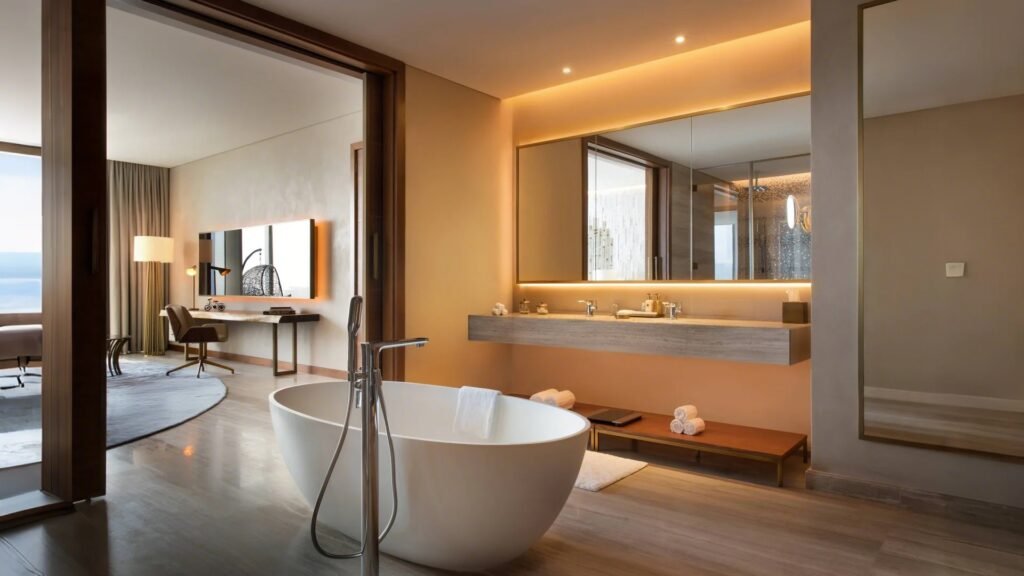
3. Sampling and Mock-Up Approval
We strongly recommend that, when possible, you request samples before placing large orders and create mock-up bathroom spaces, especially if you are new to the procurement world. Doing so will allow you to verify the quality of the product, the finishes, and the compatibility between different components before making a commitment.
Do not skip this step. It helps you to identify any potential issues from early, before they affect the construction project on a full scale.
4. Bulk Ordering and Logistics Coordination
After you have completed the approvals stage of this process, next, you will move on to the bulk ordering stage.
For this phase, you are required to carefully coordinate the production schedules with the shipping timelines and the delivery sequences.
Therefore, ensure that you pay keen attention to all details because even the slightest of errors can lead to delays in the procurement process, which can directly impact the progress of construction.
To be safe, ensure that all of the bathroom products that you need for your construction project are delivered on time and in the correct order.
5. Installation and Quality Control
Now, you are on to the final stage, which involves the installation of the bathroom products and an on-site inspection.
Do not overlook the significance of this step. Bear in mind that even when the products are high quality, if they are improperly installed, that can lead to performance issues.
You should ensure that all bathroom products are installed correctly in order to avoid this potential issue. Also, check for consistency across all rooms.
Quality control at this stage is extremely important because this is one of the main steps you can use to help maintain standards and avoid costly rework or even the project’s failure.
Bathroom Procurement Checklist for Hotels
Managing a hotel construction project requires a lot of work.
Since you have to oversee and coordinate many moving parts, this unfortunately means that you can easily overlook certain items during the procurement processes.
Missing even one component is unfortunate and can have a detrimental impact on your project. It might cause significant delays in the installation process and affect the overall progress of the project.
What you need is a clear and structured checklist that will help you to ensure that all bathroom products for construction projects are accounted for. You need to do this before you move on to the ordering and installation stages.
Hotel Bathroom Procurement Checklist (Quick Reference)
Here is a quick and simple bathroom procurement guide that even beginner developers can use during hotel construction projects. Below that, we will go into more details.
Use this bathroom procurement checklist to ensure that nothing is missed:
- Toilets, basins, and bathtubs or shower systems
- Vanity units, countertops, and storage solutions
- Wall materials such as tiles or wall panels
- Floor materials with proper waterproofing
- Faucets, shower systems, and drainage components
- Plumbing fittings and installation hardware
- Mirrors, lighting fixtures, and accessories
- Waterproofing and sealing materials
- Spare units for replacement or damage control
- Supplier timelines and delivery schedules
Core Fixtures
Every hotel bathroom must include what is considered as the basic or essential sanitaryware. Basic items include toilets, basins, and, depending on the design of the property, either bathtubs or shower systems.
Vanity and Storage
Vanity units, countertops, and storage solutions are also critical components of hotel bathrooms. They add to the functionality and the overall design and layout of the bathroom.
Wall and Floor Materials
All of the bathroom wall panels, bathroom tiles, and bathroom flooring materials must be selected with their durability and ability to withstand moisture in mind because these surfaces will be constantly exposed to water and cleaning chemicals.
Plumbing and Hardware
This includes reliable faucets, shower systems, drainage components, and all necessary plumbing fittings that are compatible with the rest of the bathroom system.
If you use below-standard and poor-quality hardware, leaks, failures, and costly repairs can arise soon after.
Accessories and Finishing Items
Lastly, do not overlook the smaller items such as mirrors, towel racks, soap holders, and lighting fixtures.
These items and accessories might seem quite minuscule. However, they play an important role in the overall functionality and appearance of the bathroom.
Therefore, it is best for you to use a structured checklist. Following a list can help you to reduce the risk of missing key components and help to ensure that your procurement process remains organized and efficient.
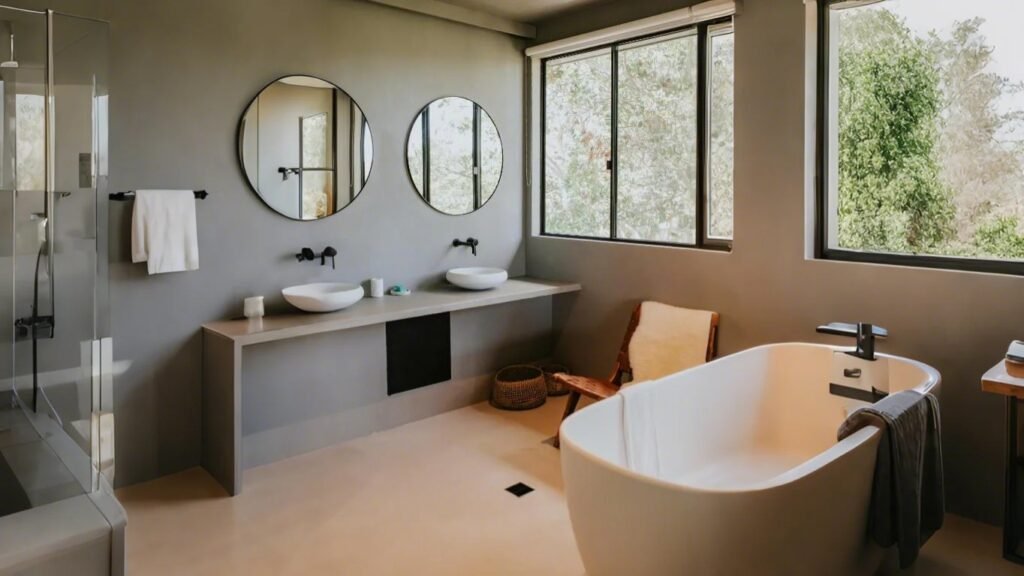
Selecting Bathroom Materials for Hotel Projects
One of the most important parts of bathroom procurement involves selecting the right materials that will offer the best durability, maintenance, and the overall lifespan benefits.
Commercial bathroom materials must be able to handle constant exposure to various elements without deteriorating rapidly.
Common Bathroom Materials Used in Hotel Projects
In most hotel construction projects, developers typically choose from a few of the widely used materials. These include:
- ceramic and porcelain tiles
- solid surface materials
- quartz surfaces
- natural stone
- acrylic-based products
Each of these materials tends to offer different advantages depending on the needs of the project, and if they are used for bathroom walls, countertops, or sanitary surfaces.
Material Comparison Table for Hotel Bathroom Applications
| Material | Durability | Moisture Resistance | Maintenance | Design Flexibility | Typical Use |
| Ceramic / Porcelain | High | High | Moderate (grout maintenance) | Moderate | Walls, floors |
| Solid Surface | Very high | Non-porous | Low | High (seamless designs) | Countertops, wall panels, basins |
| Quartz | High | Non-porous | Low | Moderate | Vanity tops |
| Natural Stone | Moderate to high | Porous (requires sealing) | High | High (premium finishes) | Luxury applications |
| Acrylic | Moderate | Non-porous | Low to moderate | High | Bathtubs, shower units |
Durability for High-Traffic Use
- Hotel bathrooms experience high usage.
- For that reason, you should always prioritize the durable materials that are designed for commercial use.
Moisture and Chemical Resistance
- Bathrooms are exposed to water and cleaning products daily.
- Non-porous materials will not only prevent water penetration, but will also be easier to clean.
Long-Term Maintenance Requirements
- Initially, some materials may look good but require frequent upkeep.
- Materials that are easy to clean and are resistant to damage will help reduce maintenance efforts.
Consistency Across the Project
- Bathrooms are repeated across many rooms.
- Work with suppliers who can provide consistent materials to help the bathrooms meet the same standard.
How to Choose a Reliable Supplier for Hotel Bathroom Projects
Selecting the right supplier is one of the most important decisions you will need to make during the procurement process.
You have to ensure that your hotel bathroom supplier is capable of meeting both your quality standards and your project timelines.
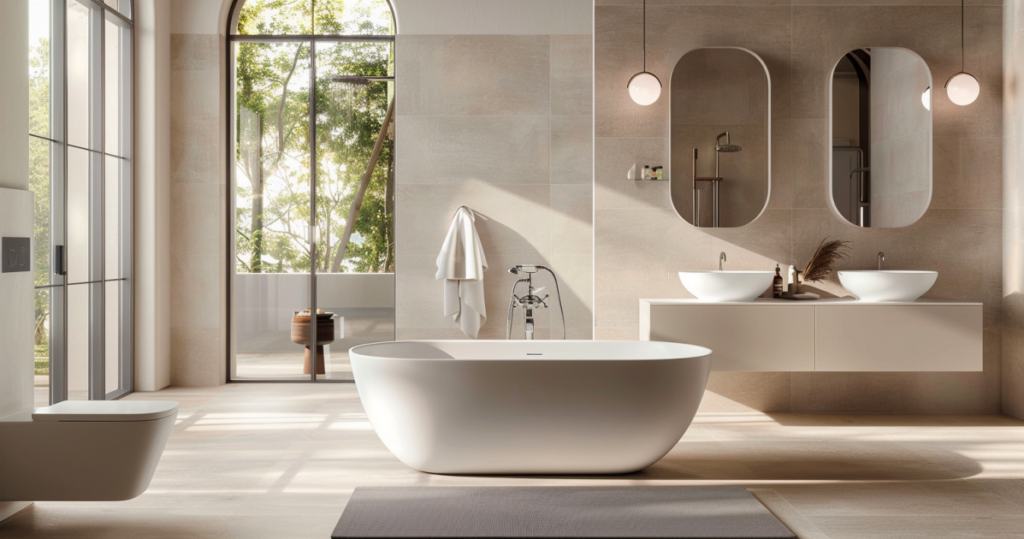
Experience in Hotel Construction Projects
One of the first things you should look for is experience.
Look for suppliers that have previously worked on hotel construction projects. They are more likely to understand the specific demands of your project.
Ability to Provide Project Customized Bathroom Solutions
Many hotel developments require customized designs with unique dimensions and specific material finishes.
If that is what your project demands, then look for suppliers that can provide you with project-customized bathroom solutions.
Production Capacity and Delivery Reliability
In large hotel construction projects, you may need hundreds or even thousands of bathroom units. So, your supplier must have the production capacity to handle large orders and be able to do so in a timely manner.
Consistency in Product Quality
Consistency is critical in hospitality projects.
You should choose a supplier that has strong quality control processes in place. This will ensure that every product delivered is consistent in meeting the same standard.
Clear Communication and Support
Having professional communication during the procurement process is essential.
Not only does it provide you with clear timelines and appropriate responses to your questions, but it can also help to prevent misunderstandings and quickly resolve any issues.
Ensuring Project Timelines Stay on Track
Keeping your project on schedule is always going to be a hefty task and might very well be the biggest challenge in hotel construction.
Delays in bathroom procurement can quickly and seriously affect the installation of bathroom sanitaryware and other products. This delay will ultimately push back your project’s overall completion timeline.
To avoid this, you need to:
- plan ahead
- coordinate closely with your suppliers
- confirm:
- production schedules
- delivery timelines
- installation sequences.
Be proactive by planning for potential shipping delays or material shortages to help you to successfully mitigate issues and prevent delays.
Bottom Line
Bathroom procurement is a very important part of any hotel construction project. Accordingly, at every stage of this process, you must plan carefully.
Whether it is selecting the right materials or choosing reliable suppliers, bear in mind that each decision you make will directly impact the overall success of your project.
Therefore, it is important for you to take a structured approach to bathroom procurement. Ensure that all of the components that you choose are selected with long-term performance in mind.
By following a clear bathroom procurement guide for hotel projects, you can potentially reduce risks, control costs, and keep your timelines on track.
Frequently Asked Questions
- What is included in hotel bathroom procurement?
Bathroom procurement typically covers sanitaryware such as toilets, basins, bathtubs, vanity units, countertops, and storage solutions.
It can also include bathroom wall and floor materials, shower systems, plumbing fixtures, and all of the other smaller accessories that will make the space complete.
- Why is bathroom procurement important in hotel construction projects?
Bathroom procurement is a critical component of any hotel construction project because bathrooms are constantly being exposed to moisture and cleaned frequently due to high guest turnover rates.
Poor procurement decisions might cause hotels to endure higher maintenance costs, delays in project completion, and inconsistencies across rooms.
- What materials are commonly used in hotel bathroom projects?
In most hotel construction projects, developers typically choose from ceramic and porcelain tiles, solid surface materials, quartz surfaces, natural stone, and acrylic-based products. Each of these materials offers different advantages depending on the needs of the project and where they are used.
- How can developers keep hotel construction timelines on track?
To keep projects on schedule, developers need to plan ahead, coordinate closely with suppliers, and confirm production schedules, delivery timelines, and installation sequences. Being proactive and planning for potential shipping delays or material shortages can help to prevent delays.