In commercial bathrooms—such as hotels, office buildings, shopping malls, and public facilities—sink selection is not just a design decision. It directly impacts maintenance efficiency, hygiene standards, durability, and user experience.
Two of the most commonly specified sink types are vessel sinks and undermount sinks. While both are widely used, they serve very different purposes in commercial environments.
So how do you choose the right one for your project? Let’s break down the real differences and help you make a practical, long-term decision.
1. Understanding the Two Sink Types
What Is a Vessel Sink?
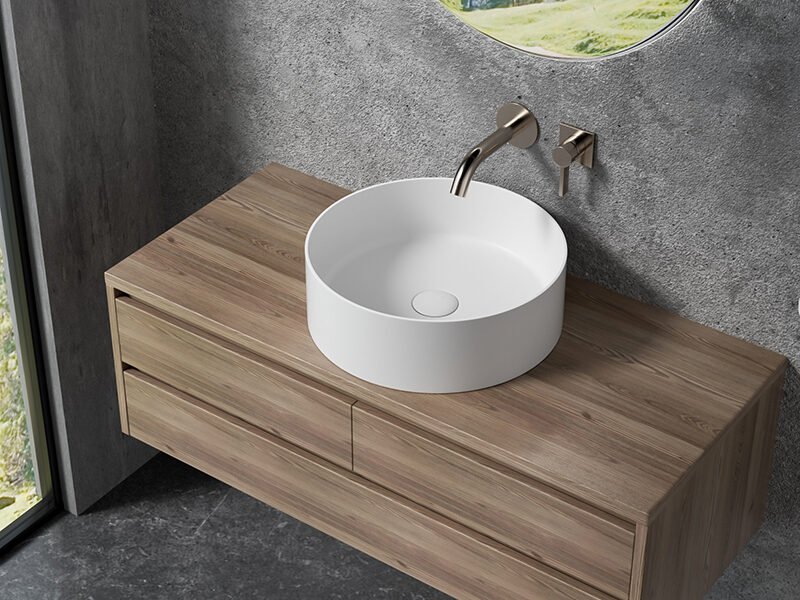
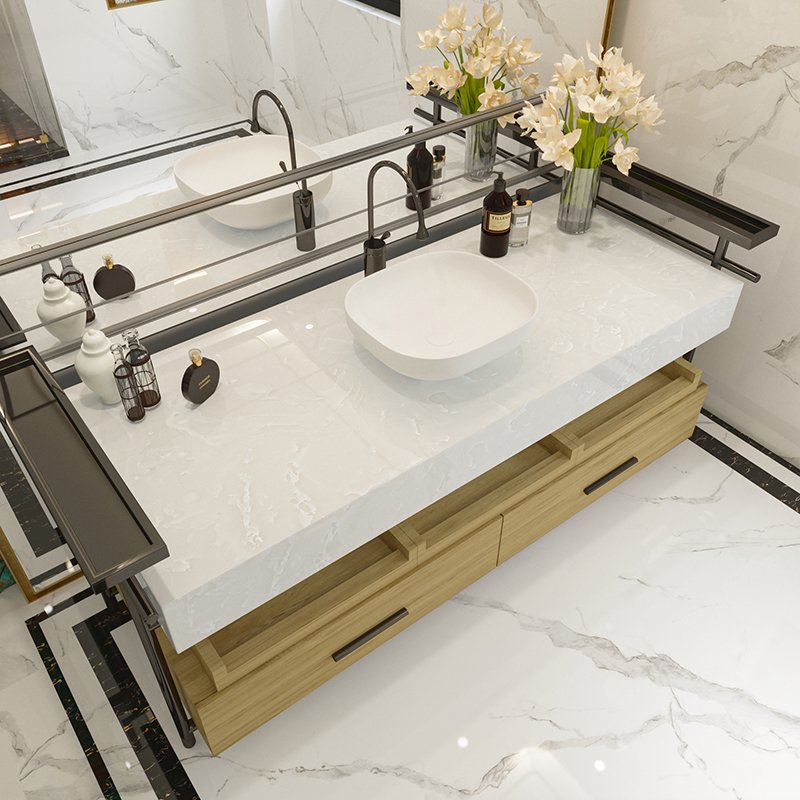
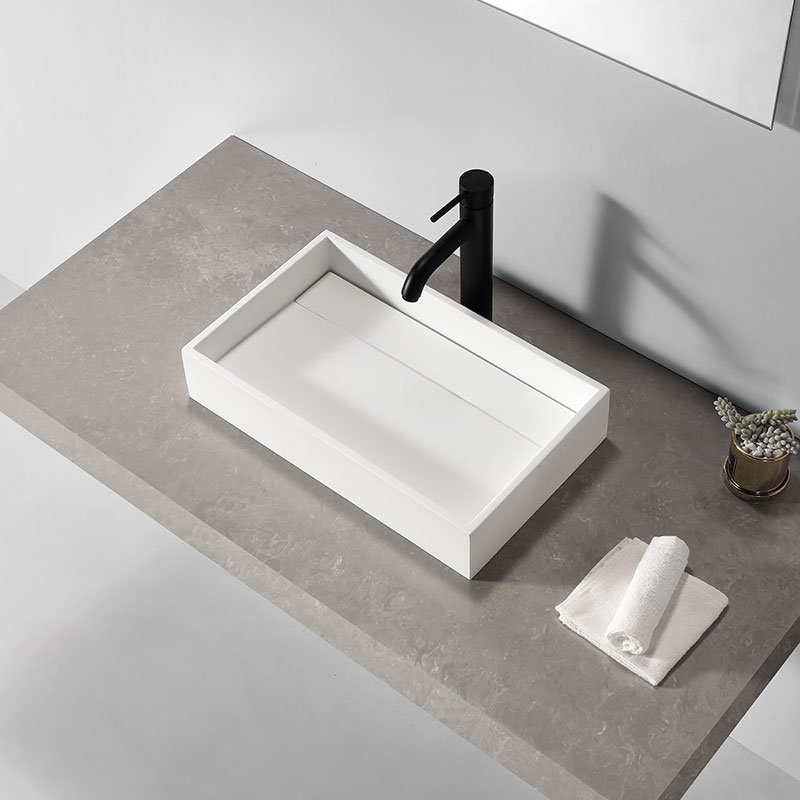
A vessel sink sits on top of the countertop, similar to a bowl. It is fully visible and often used as a design feature.
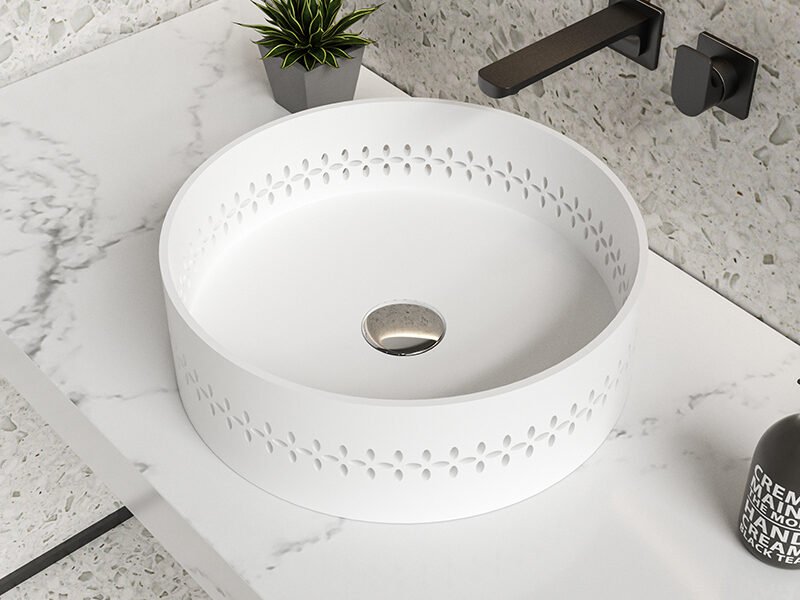
Commonly seen in:
- Boutique hotels
- Luxury restrooms
- High-end restaurants
- Designer commercial spaces
What Is an Undermount Sink?
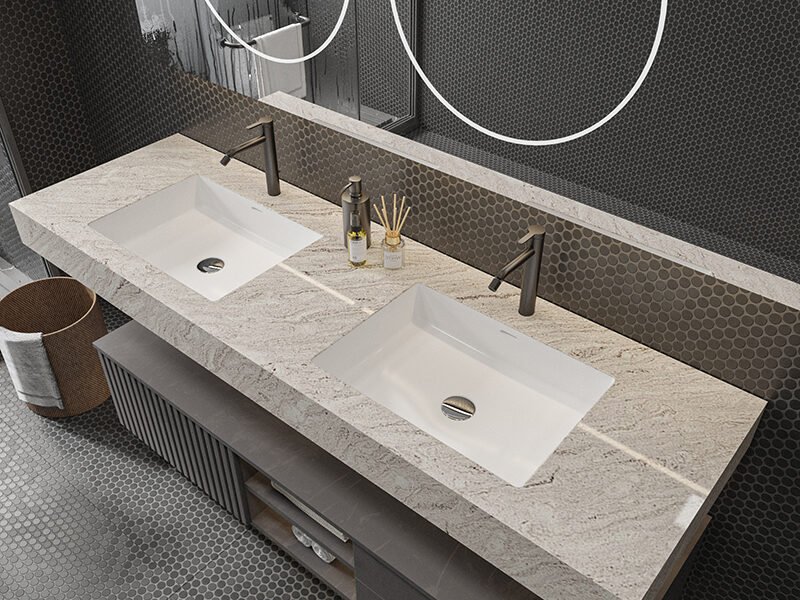
An undermount sink is installed beneath the countertop, creating a flush, seamless surface.
-8-1-e1726728831485.jpg)
Commonly used in:
- Hotels (standard rooms)
- Office buildings
- Airports & public facilities
- High-traffic commercial restrooms
2. Design Impact: Statement vs Integration
Vessel Sink – Strong Visual Statement
Vessel sinks immediately attract attention and can elevate the perceived luxury of a space.
Design advantages:
- Acts as a focal point
- Works well with minimalist or spa-style interiors
- Wide range of shapes and styles
Design limitations:
- Adds visual height
- May disrupt a clean, uniform commercial design when overused
Undermount Sink – Clean and Unified Look
Undermount sinks integrate seamlessly with the countertop, creating a clean and professional appearance.
Design advantages:
- Minimalist and uncluttered
- Consistent look across multiple units
- Ideal for large-scale projects requiring visual uniformity
Commercial takeaway:
For projects with many identical restrooms, undermount sinks offer better design consistency.
3. Hygiene & Cleaning Efficiency (Critical for Commercial Use)
Vessel Sink
- Water splashes easily around the base
- Requires cleaning both the sink and the countertop edge
- Silicone joints around the base may trap dirt over time
Undermount Sink
- Seamless transition from countertop to basin
- Easy to wipe water directly into the sink
- Fewer joints = fewer hygiene risks
Winner for hygiene: Undermount sink, especially in high-traffic environments.
Check KKR two-series bathroom sink:
For vessel sink: https://kkrbath.com/basin/vessel-sink/
For undermount sink:https://kkrbath.com/basin/undermount-sink/
4. Durability & Long-Term Performance
Vessel Sink
- More exposed to impact
- Higher risk of cracking or chipping in public use
- Less ideal for heavy daily traffic
Undermount Sink
- Protected by the countertop edge
- Better structural support
- More resistant to accidental impact
Commercial verdict:
Undermount sinks outperform vessel sinks in durability for long-term commercial use.
-1.jpg)
5. Maintenance & Operational Cost
In commercial bathrooms, maintenance time equals operational cost.
Vessel Sink
- Requires more frequent cleaning
- Silicone joints may need replacement
- Higher risk of visible wear
Undermount Sink
- Faster cleaning routine
- Fewer exposed joints
- Lower long-term maintenance cost
Facility managers strongly prefer undermount sinks for this reason.
6. Countertop Compatibility
Vessel Sink
- Compatible with stone, solid surface, and wood
- Requires precise faucet height selection
- Raises total vanity height
Undermount Sink
- Best paired with solid surface countertops
- Allows integrated, seamless designs
- Ideal for one-piece vanity tops
KKR® specializes in solid surface integrated undermount basins, eliminating joints entirely.

7. Accessibility & User Comfort
Commercial bathrooms often serve a wide range of users.
Vessel Sink
- Higher rim may be uncomfortable for children or elderly users
- Less ADA-friendly unless carefully specified
Undermount Sink
- Easier to meet ADA height requirements
- More ergonomic for universal design
Best choice for accessibility: Undermount sink.
8. Where Each Sink Type Works Best
Best Uses for Vessel Sinks
- Boutique hotels
- VIP lounges
- Spa reception restrooms
- Low-traffic luxury spaces
Best Uses for Undermount Sinks
- Hotel guest bathrooms
- Office buildings
- Airports & public restrooms
- Hospitals & healthcare facilities
- High-traffic commercial areas
9. Why Solid Surface Makes the Difference
Regardless of sink type, material selection is critical.
Solid surface basins from KKR® offer:
- Non-porous & hygienic performance
- Seamless integration with countertops
- Easy repair & refinishing
- Long lifespan (15–20+ years)
- Custom sizes for commercial projects
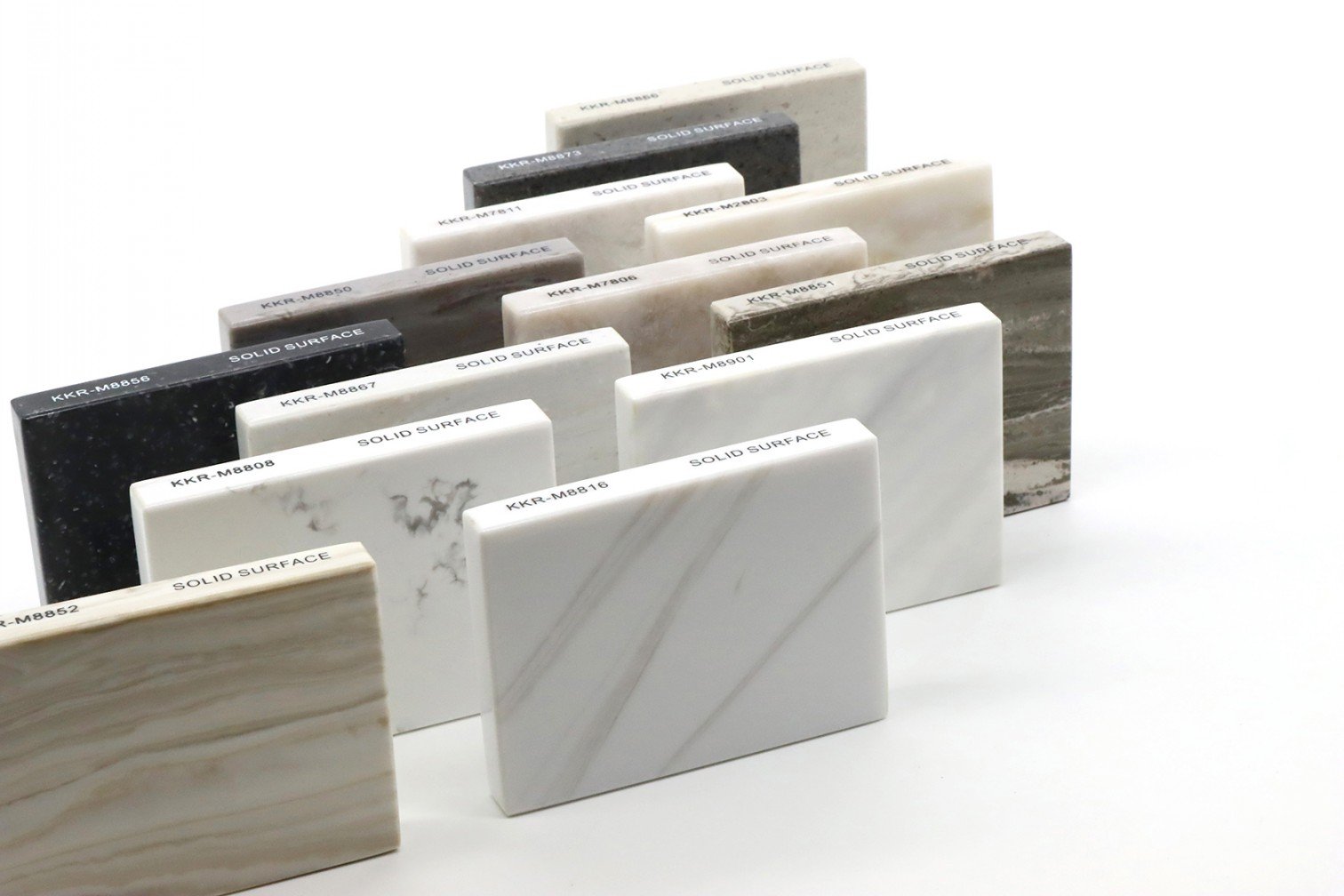
For undermount applications, solid surface enables true one-piece vanity systems—the gold standard for commercial bathrooms.
Conclusion: Which Sink Should You Choose?
For most commercial bathrooms, especially high-traffic environments, undermount sinks are the smarter choice. They offer superior hygiene, durability, easier maintenance, and better long-term value.
Vessel sinks still have a place—but mainly in low-traffic, design-driven commercial spaces where visual impact outweighs operational efficiency.
If you’re specifying sinks for hotels, offices, or public facilities, KKR® solid surface undermount basins deliver the best balance of design, performance, and cost efficiency.
👉 Contact KKR® today to discuss commercial sink solutions tailored to your project requirements.
FAQs: Vessel vs Undermount Sinks for Commercial Bathrooms
1. Are vessel sinks suitable for commercial bathrooms?
They are suitable for low-traffic, design-focused areas but not ideal for high-use public spaces.
2. Which sink type is easier to clean?
Undermount sinks are significantly easier to clean and maintain.
3. Are undermount sinks more durable?
Yes. They are better protected and structurally supported.
4. Can solid surface sinks be customized for commercial projects?
Absolutely. KKR® offers custom sizes, shapes, and integrated solutions.
5. Which sink type do hotels prefer?
Most hotels prefer undermount sinks for guest bathrooms due to hygiene and maintenance efficiency.