
Designing or renovating a bathroom is one tough choice that contractors face when choosing between shower wall panels vs tiles. Both types of materials have been used in bathrooms for decades, but since modern solutions from a waterproof shower wall panels supplier are now widely available, many contractors and homeowners are re-evaluating whether tiles are still the best choice.
Whether you’re fitting a luxury hotel bathroom, a residential one, or a commercial washroom setting, it is important to understand the strengths and limitations of each option. With the rise of easy maintenance shower wall panels, many projects are now shifting toward faster, more practical solutions. This blog will break down everything you need to know so you can make the right choice.
What Are Shower Wall Panels?
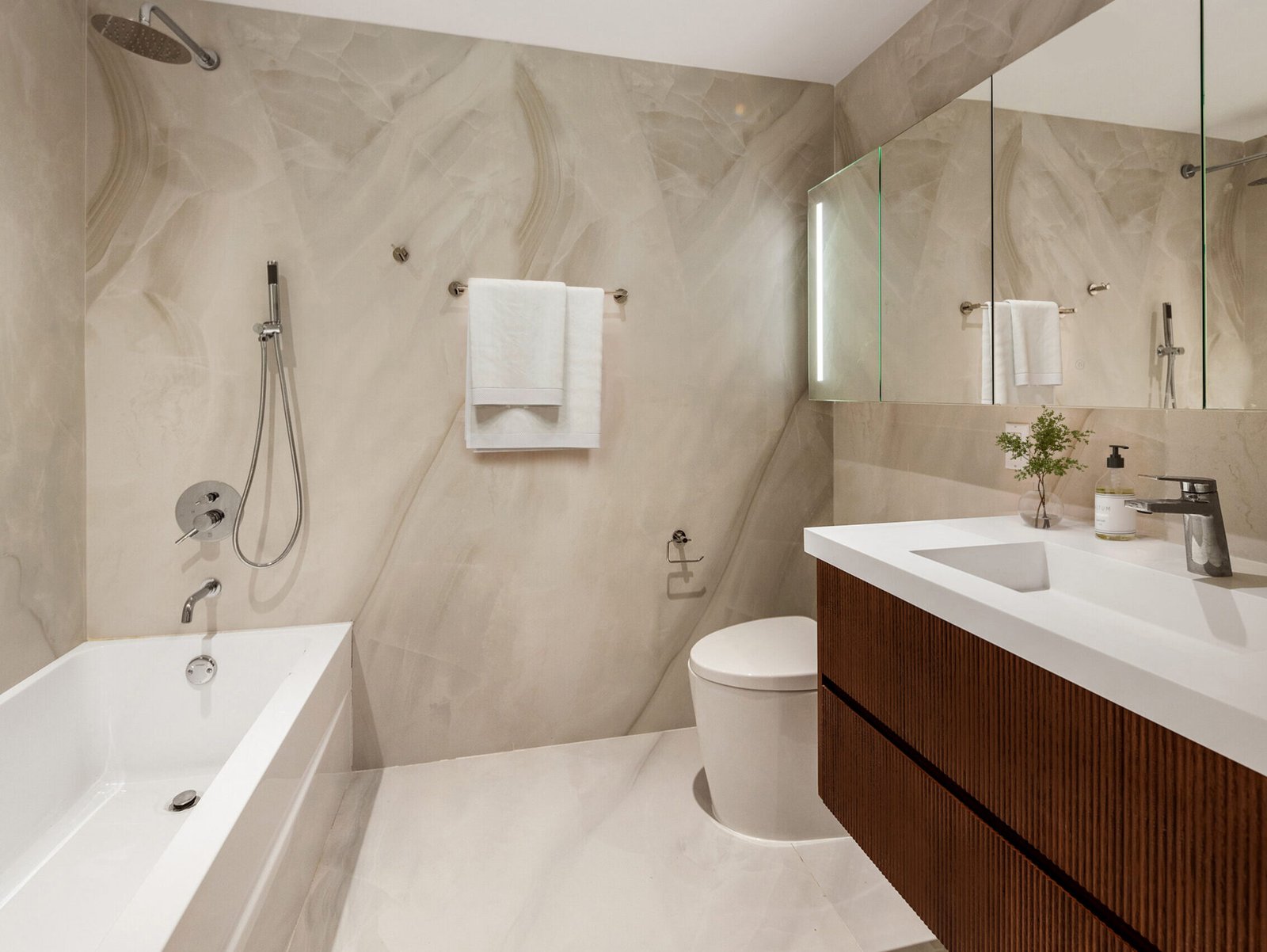
Shower wall panels are large, solid surface sheets that are designed particularly for wet room environments. They are made from materials such as PVC, acrylic, cultured marble, solid surface composites, or high-pressure laminates, and they cover shower walls in one seamless installation without grout lines. The shower wall panels are made from a waterproof core, which makes them one of the most reliable waterproof shower wall panel options available for both residential and commercial projects.
Two Leading Materials in Shower Wall Panels: Cultured Marble vs Solid Surface
When we talk about shower wall panels vs tiles, it is important to understand the differences in the panel category itself. The most popular materials among waterproof shower wall panel suppliers are cultured marble and solid surface, and each brings distinct advantages to the table.
Cultured Marble Shower Wall Panels
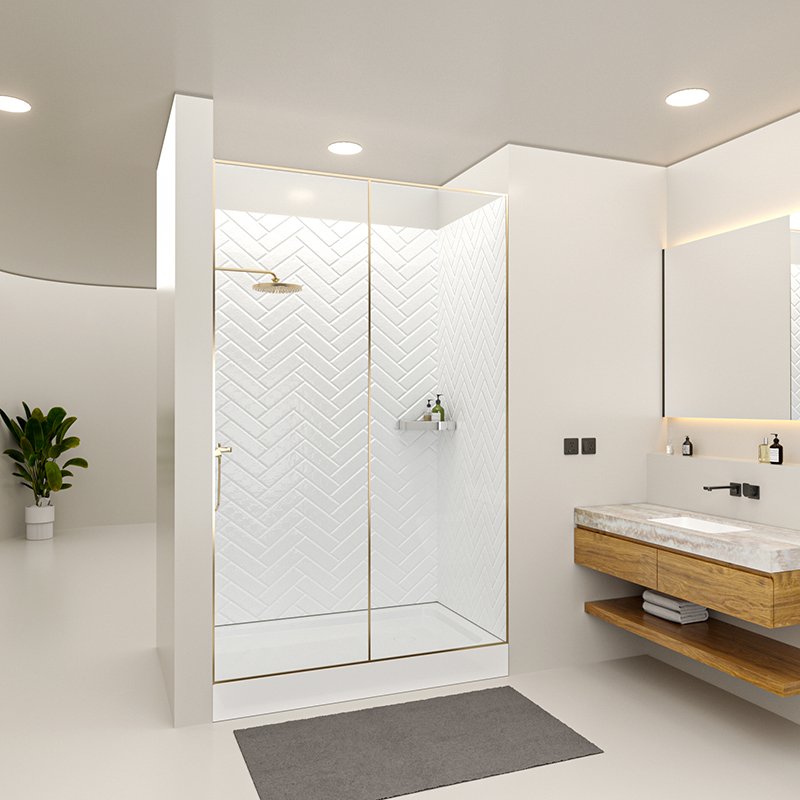
Cultured marble is made from a blend of natural marble dust and polyester resins. It is cast into panels and later finished with a protective gel coat. Due to this gel coat, it looks luxurious, with a stone-like appearance at a lower cost than natural marble. It has a nonporous surface and is resistant to stains. Hence, it is easy to clean and is considered the best choice for residential bathrooms and mid-range hospitality projects. However, the gel coat surface can be prone to scratching and dulling over time, and refinishing may be required in high-traffic environments.
Solid Surface Shower Wall Panels
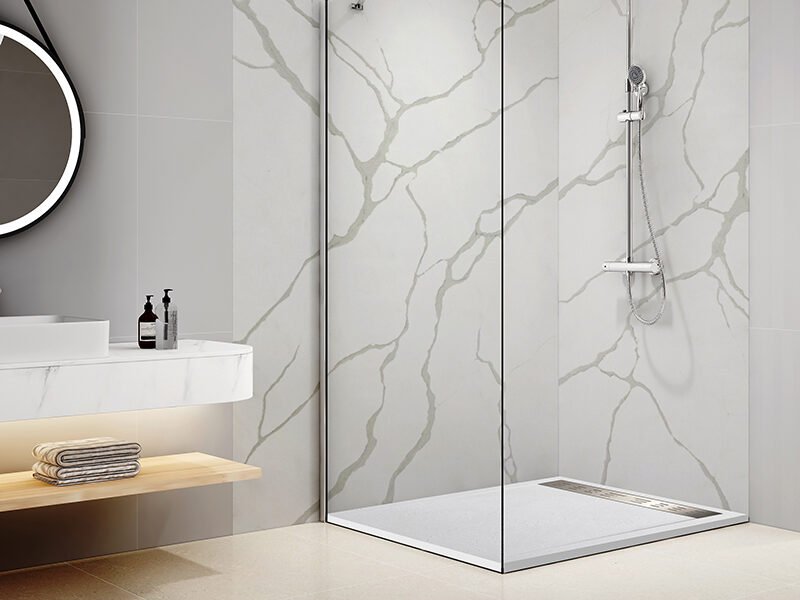
Solid surface shower panels are built from acrylic or polyester resins throughout their entire thickness. Unlike the cultured marble surfaces , there is no separate coating in it, the color and texture run all the way through, which means that minor scratches can be sanded and buffed out without compromising the waterproof integrity. Solid surface is highly durable and hygienic and an excellent fit for hotel bathroom wall materials due to its long-term resilience and seamless installation.
Which is better?
For residential projects where cost and aesthetics matter, cultured marble offers a beautiful solution. For hotels, commercial spaces, or any high-traffic setting, solid surface is the better choice, as it is easier to maintain and built to last much longer. Both materials outperform traditional tiles in terms of waterproofing reliability and maintenance demands, making either a smart upgrade over grout-dependent surfaces.
What Are Traditional Tile Shower Walls?
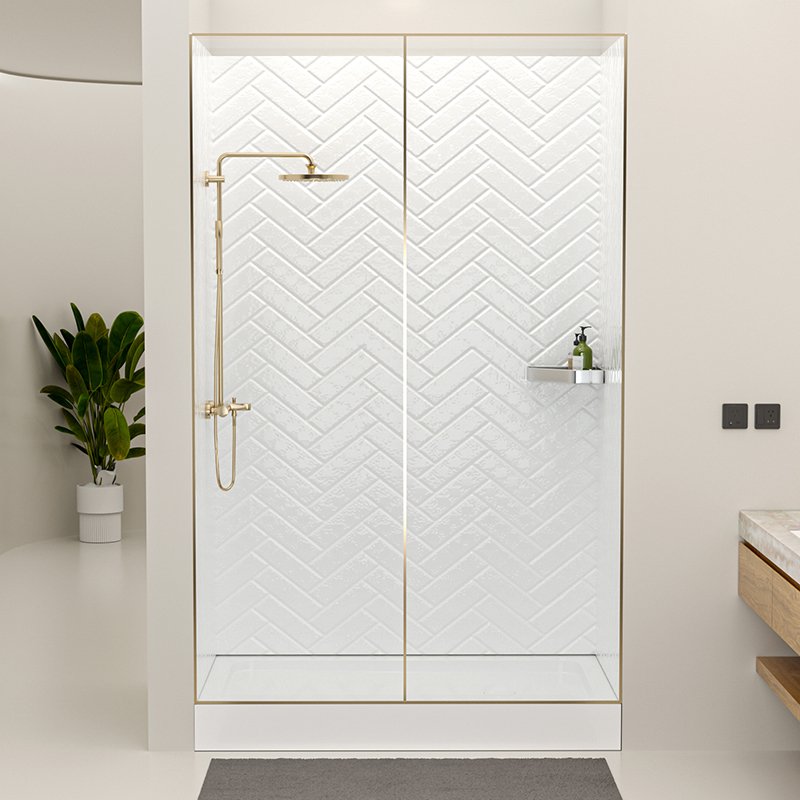
Ceramic and porcelain tiles are the traditional choices for shower walls. They are installed piece by piece to a prepared substrate, then bonded and sealed to create a waterproof surface. There is a huge range of tiles that come in different styles and designs, ranging from classic to bold stone-look finishes, and hence, they have stayed a bathroom favorite for generations.
The strength of the tiles also depends on the grout. If the grout between the tiles cracks or if there is moisture in it, then the entire shower wall becomes vulnerable to water damage, mold, and deterioration. That is why shower wall panels are much preferred, as they do not have any grout.
Shower Wall Panels vs Tiles: Full Comparison
1. Installation
Tiles: The installation of a tiled shower wall is a multi-step process. It is a skill-intensive process and involves substrate preparation, waterproof tanking, tile adhesive, grouting, and sealing. This process requires at least 3 to 5 days. Any errors, like an unlevel surface or a poorly applied waterproof membrane, can result in inexpensive repair work.
Wall Panels: Shower panels are installed directly on existing surfaces, including old tiles, plasterboard, and timber studwork. Using an adhesive bonding or click-fit system, a full shower enclosure can be completed in a single day. This is a major advantage for contractors who are working on multi-unit developments, hotel refurbishments, or back-to-back residential projects.
2. Waterproofing
Tiles: A tiled surface is waterproof due to its grout and sealant. Grout is porous, and when not sealed regularly, it will absorb moisture. This can lead to mold growth, discoloration, and damage to the structure behind the wall. Even a small crack in the grout can let water seep deep into the surface underneath.
Wall Panels: Quality shower wall panels are waterproof even through their core and not just on the surface. There are no joints, no grout lines, and no sealant that can degrade over time. This makes them most trusted for use in high-moisture environments.
3. Maintenance
Tiles: Tiled shower walls require high maintenance. Grout must be deeply cleaned to prevent mold and discoloration. However, it should be resealed annually. In areas where there is hard water, limescale accumulates quickly around grout lines and is difficult to remove. So, with time, cracked grout needs professional re-grouting.
Wall Panels: Property owners are switching to shower wall panels due to their easy maintenance. Simply, you just have to wipe down the wall panels with a damp cloth or mild cleaner. There is no grout to clean and no risk of mold developing behind a joint.
4. Hygiene
Tiles: Grout lines are a common point where bacteria, mold, and soap scum build up. Even with regular cleaning, grout is difficult to fully sanitize, which is a concern in healthcare and hospitality settings.
Wall Panels: They have a more hygienic finish as they do not have grout lines and have a non-porous surface. Since there are no gaps to accumulate any bacteria, wall panels are much preferred in hotel bathrooms and healthcare facilities or any such environment where hygiene standards are critical.
5. Design Flexibility
Tiles: With Tiles, there is a lot of creative freedom. Contractors can mix different sizes, patterns, and textures to produce the best results. Feature walls, mosaic designs, and custom layouts are possible with tiles but may be difficult to replicate with wall panels.
Wall Panels: Modern wall panels have come a long way in terms of aesthetics. KingKonree (KKR) comes in solid colors, wood-look finishes, marble effects, and textured surfaces. These panels come in fewer designs than tiles, but they can still give a premium, high-end look.
6. Cost
Tiles: The cost of tiles is low to mid-range, but labor costs are high due to the installation process. Over time, the cost of regrouting and removing mold really adds up.
Wall Panels: Wall panels have a high upfront material cost but have less installation time, lower labor costs, and near-zero maintenance requirements, which makes them more cost-effective over time, especially for commercial and hospitality projects.
At-a-Glance Comparison Table
| Factor | Tiles | Wall Panels |
| Installation Time | 3-5 days | 1 day |
| Waterproofing | Grout-dependent | Fully waterproof core |
| Maintenance | High | Low |
| Hygiene | Grout lines bacteria | Grout-free, hygienic |
| Design Options | Very broad | Broad, large-format |
| Longevity | High (if maintained) | High (low degradation) |
| Best For | Bespoke residential | Hotels, commercial, fast-fit |
Which is better for hotel bathrooms?
For hotel bathroom wall materials, shower wall panels are a much preferred choice among hospitality designers and contractors. Because hotel bathrooms have daily intensive use, the total cost of grout maintenance, mold remediation, and resealing across hundreds of rooms is important.
Wall panels deliver the same premium marble and stone aesthetics that guests expect while reducing the housekeeping and maintenance burden. Many leading hotel groups choose waterproof shower wall panels for new bathroom builds and refurbishment projects.
Which is better for residential bathrooms?
For residential projects, the right choice depends on the priorities given by the client.
Choose tiles if the client wants a full custom design, has a flexible timeline, and can maintain the bathroom regularly. Tiles remain an excellent choice for design-driven kinds of bathrooms.
Choose wall panels if the client wants easy cleaning, a fast installation process, and low maintenance. Wall panels are a great fit for families with kids, busy households, and rental property owners.
Industry Perspective: How Hotels Choose Between Panels and Tiles
The hospitality industry has a clear plan about the use of panels vs tiles debate. Hotels operate bathrooms at a scale that most homeowners never face: hundreds of rooms, cleaned daily, used by thousands of guests every year. When factors such as maintenance costs, hygiene, and durability are considered, the choice of bathroom material really matters.
Hence, many leading hotel groups have moved away from tiles toward waterproof wall panels as their default bathroom finish. KKR has supplied bathroom solutions across 400+ hotel projects worldwide, including properties under Marriott, Hilton, Hyatt, IHG, Accor, and Mandarin Oriental. These brands have some of the strictest material standards in the world.
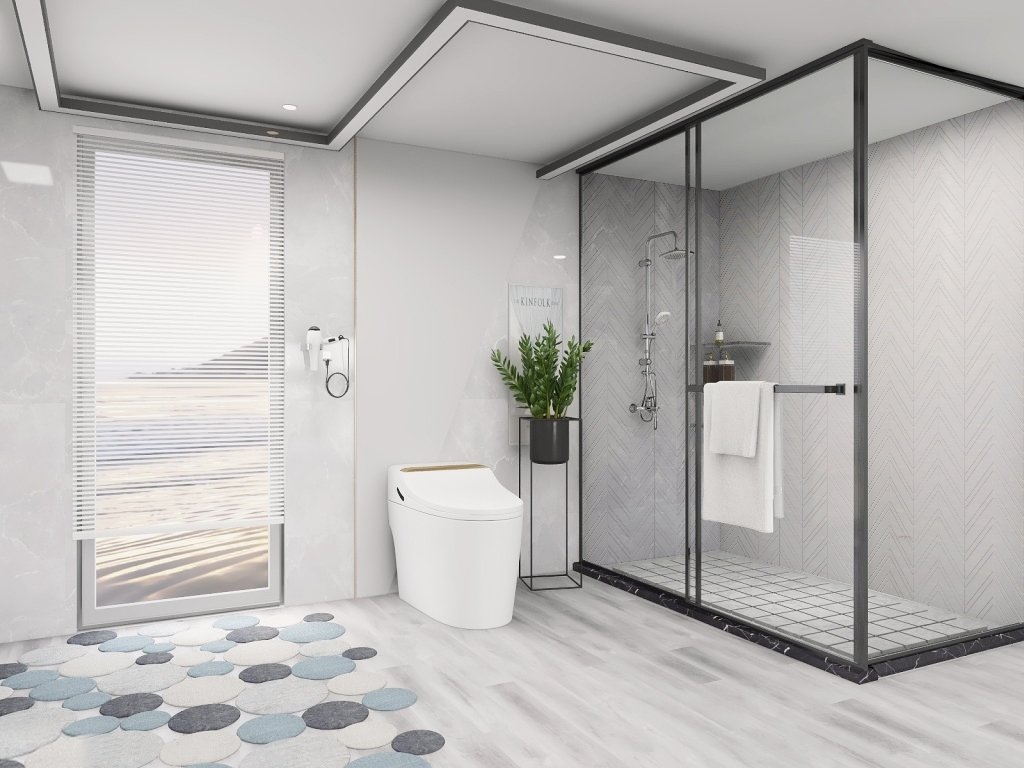
For tiles, the ongoing cost of regrouting, mold treatment, and deep cleaning across dozens of rooms simply doesn’t make commercial sense. Wall panels solve all of these while delivering the premium marble and stone finishes that guests usually expect.
For contractors and developers weighing up panels vs tiles, the hospitality industry’s preference is a strong signal. If wall panels can meet the demands of a Waldorf Astoria or a Six Senses resort, they can more than handle a residential or commercial bathroom project.
Final Verdict:
For most modern bathroom projects, particularly in the commercial and hospitality sectors, shower wall panels are the smarter, more practical specification. They install faster, stay cleaner, and perform better while delivering strong long-term value. Traditional tiles remain relevant for highly customized residential bathrooms where custom design is the priority and the client is committed to consistent maintenance.
KingKonree (KKR) supplies a premium range of waterproof shower wall panels suited for residential, commercial, and hotel applications, available in a wide selection of finishes to meet the demands of every project brief.
Frequently Asked Questions
- Are shower wall panels as durable as tiles?
Yes. High-quality shower wall panels from a reputable waterproof shower wall panel supplier are engineered for long-term durability in wet environments. Unlike tiles, they do not rely on grout integrity to maintain waterproofing, which makes them more consistently durable over time.
- Can wall panels be installed over existing tiles?
In most cases, yes. Shower wall panels can be bonded directly over existing tiles as long as the surface is sound, clean, and level, making them an ideal choice for bathroom renovations without a full strip-out.
- Do shower wall panels look as good as tiles?
Modern wall panels are available in a wide range of premium finishes, including marble, stone, and wood effects. Large-format panels in particular can deliver a seamless, high-end aesthetic that rivals and sometimes surpasses the visual impact of tiled surfaces.
- Which are easier to keep clean, panels or tiles?
Shower wall panels are significantly easier to maintain. Their non-porous, grout-free surface can be cleaned with a simple wipe-down, while tiled surfaces require regular grout scrubbing, sealing, and mold treatment.