Bathroom mold — the silent intruder — can quietly ruin the appearance, hygiene, and even structure of your bathroom. Once it takes hold, it spreads quickly in damp corners, under basins, and around countertop edges.
Whether you’re managing a luxury hotel project, designing a modern villa, or maintaining a high-traffic public restroom, preventing mold is essential to preserve both beauty and function. The key lies not only in cleaning but in choosing the right materials, smart design, and proper maintenance routines.
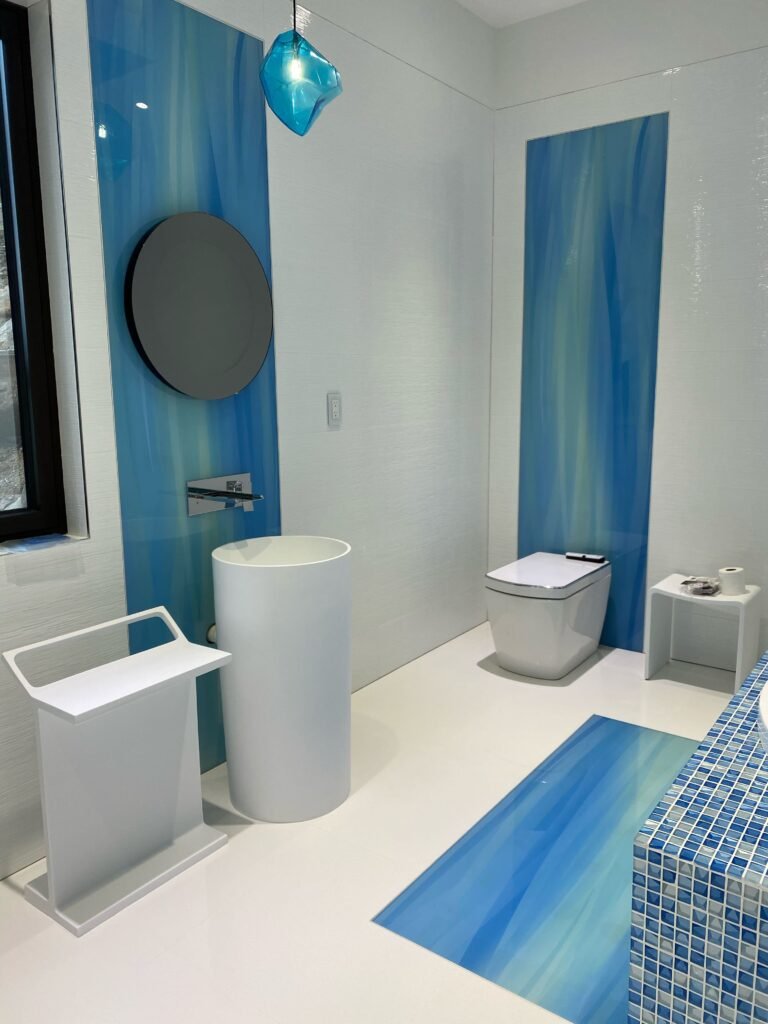
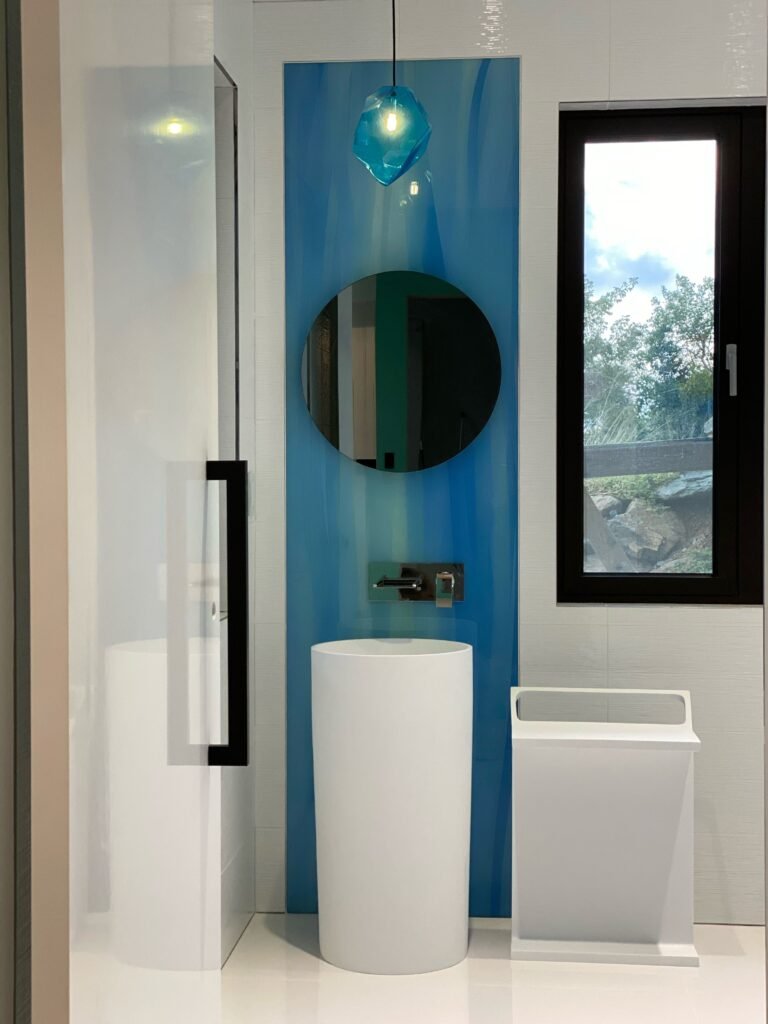
Let’s explore everything you need to know to keep your bathroom basins and countertops mold-free — for years to come.
Why Mold Appears in Bathrooms
Bathrooms are constantly exposed to moisture and warm air — two key factors that mold loves. Add limited ventilation and porous surfaces, and you’ve got the perfect environment for growth.
Common causes include:
- Poor ventilation: Steam from showers and baths lingers too long.
- Standing water: Water collects around basins, faucets, and countertop edges.
- Organic residue: Soap scum, toothpaste, or dust feed mold spores.
- Porous materials: Natural stone, wood, or unsealed grout absorb water easily.
Once mold starts, it can cause:
- Black or green spots on silicone joints.
- Unpleasant odors.
- Deterioration of materials over time.
- Hygiene concerns for guests or residents.
The good news? You can completely prevent mold with smart design and material choices.


1. Choose the Right Material: Non-Porous and Seamless
The most critical step in mold prevention is selecting the right surface material.
Porous materials, such as marble, granite, or wood, allow water to seep in — creating the ideal habitat for mold and bacteria. In contrast, non-porous materials completely block water absorption.
✅ Best choice: Solid Surface
KKR® solid surface is non-porous, seamless, and waterproof, offering zero absorption and preventing mold growth from the inside out.
Benefits of solid surface over other materials:
| Material | Water Resistance | Mold Resistance | Maintenance | Lifespan |
|---|---|---|---|---|
| Solid Surface | Excellent | Excellent | Very Easy | 15–20 years+ |
| Natural Stone | Moderate (requires sealing) | Fair | High | 10–15 years |
| Wood / MDF | Poor | Poor | High | 3–5 years |
| Ceramic Tile | Good, but grout traps moisture | Moderate | Medium | 10–15 years |
Pro Tip: Choose a solid surface integrated basin and countertop — one continuous piece with no seams, no gaps, and no hidden moisture traps.
2. Ensure Seamless Installation
Even the best material can fail if installation leaves gaps or uneven joints. Mold often starts where water seeps under poorly sealed basins or countertop edges.
Installation essentials:
- Apply high-quality waterproof silicone sealant along all joints.
- Avoid visible seams — opt for fabricated seamless joints (KKR® specialty).
- Ensure proper slope and drainage so no water pools near the faucet or wall.
- For wall-mounted vanities, confirm the wall is moisture-proof before installation.
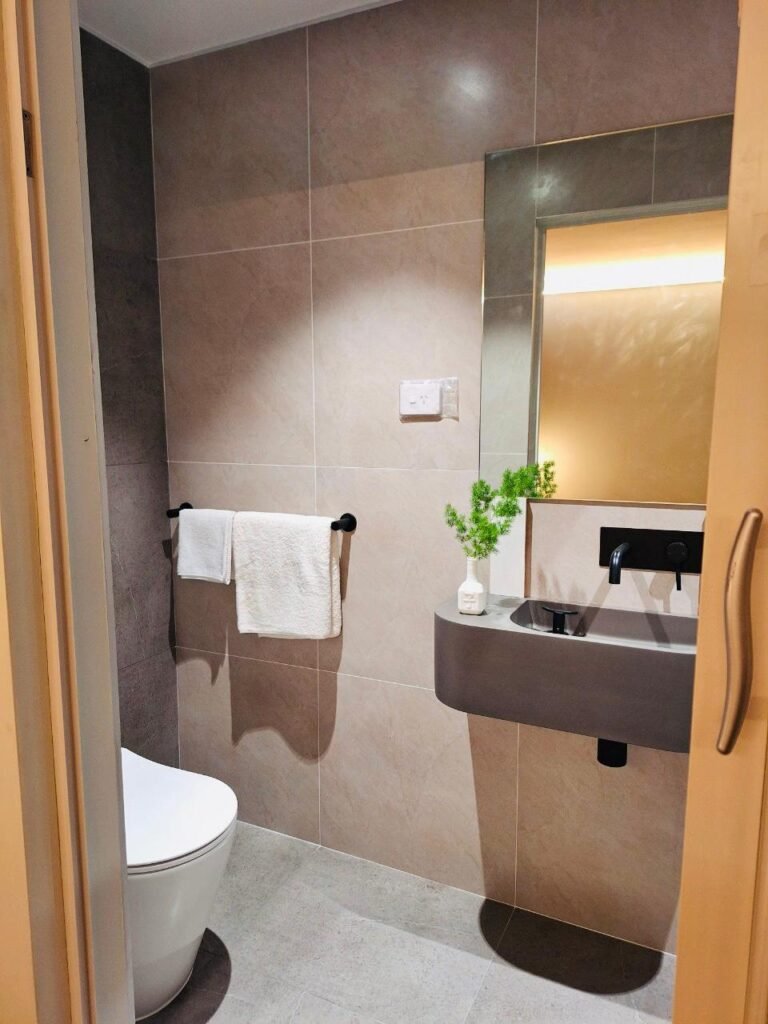
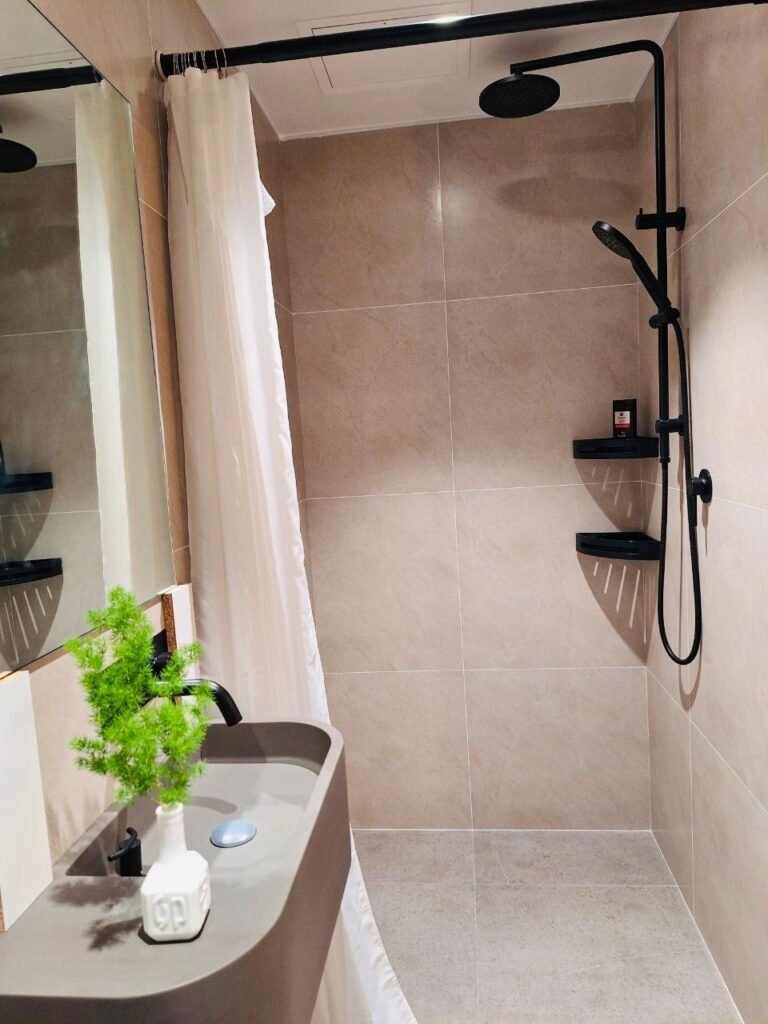
KKR® offers one-piece solid surface vanities fabricated with precision machines, ensuring 100% seamless joints that eliminate mold-prone cracks.
3. Improve Ventilation and Air Circulation
Even a perfectly sealed bathroom needs good airflow to stay dry.
Tips for better ventilation:
- Install a ventilation fan with a timer or humidity sensor.
- Keep windows open after showers to let out moisture.
- Leave bathroom doors ajar for a few minutes after use.
- In hotel bathrooms, schedule periodic ventilation cycles even when rooms are unoccupied.
Good airflow reduces humidity, making it nearly impossible for mold spores to thrive.
4. Establish a Consistent Cleaning Routine
Preventive cleaning is the easiest and most effective defense. Regular wiping removes moisture, soap residue, and dust before mold can grow.
Daily routine:
- Wipe down the basin and countertop with a soft microfiber cloth after use.
- Dry the edges around the faucet and drain.
Weekly deep clean:
- Use mild soap or a pH-neutral cleaner.
- Avoid bleach or abrasive pads that may dull the finish.
- Rinse with warm water and dry thoroughly.
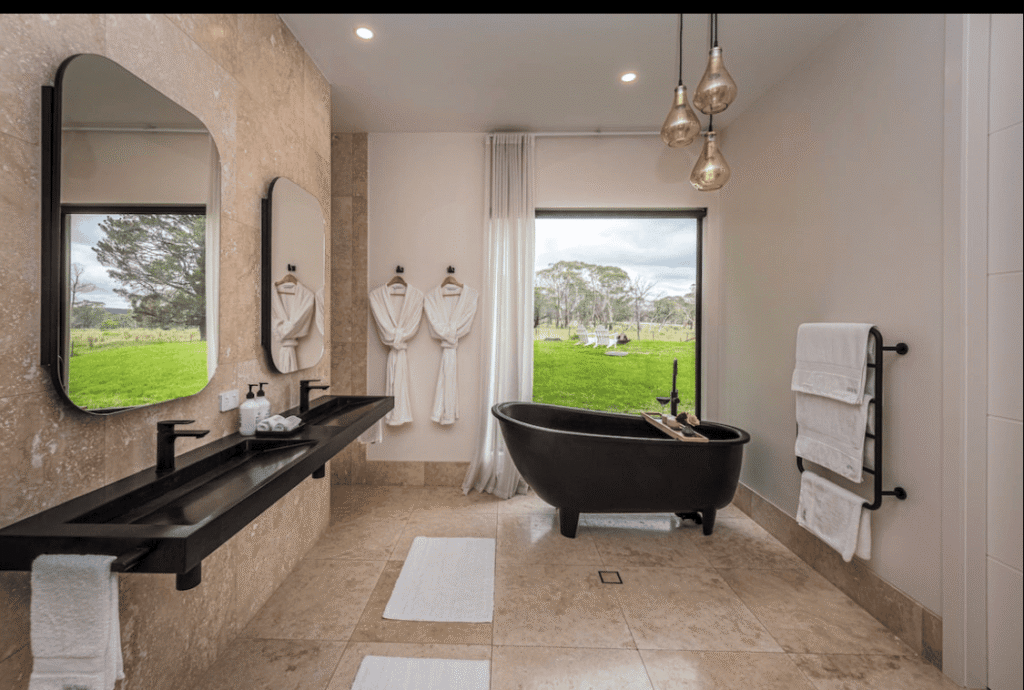
Monthly refresh:
- Mix white vinegar and water (1:1 ratio) to remove hidden mold spores.
- Apply, let sit for 10 minutes, and wipe clean.
KKR® solid surface finishes are scratch-resistant and non-porous, so cleaning takes seconds — without harsh chemicals.
5. Reduce Water Traps and Clutter
Accessories like soap dishes, toothbrush holders, and cups can trap moisture underneath. Over time, this creates small, unseen mold colonies.
Practical prevention tips:
- Use wall-mounted accessories or open trays that allow airflow.
- Choose floating vanities for easier floor cleaning.
- Wipe beneath countertop items weekly.
- Avoid storing wet towels or sponges on countertops.
A clear, organized countertop not only looks elegant but also stays dry and hygienic.
6. Design with Mold Prevention in Mind
Prevention starts at the design stage. Modern bathroom design allows for function, aesthetics, and hygiene to coexist beautifully.
Mold-resistant design features include:
- Integrated basins: eliminate crevices where water can sit.
- Backsplashes: protect walls from splashes.
- Floating vanities: reduce floor moisture contact.
- Rounded corners: easier to clean than sharp edges.
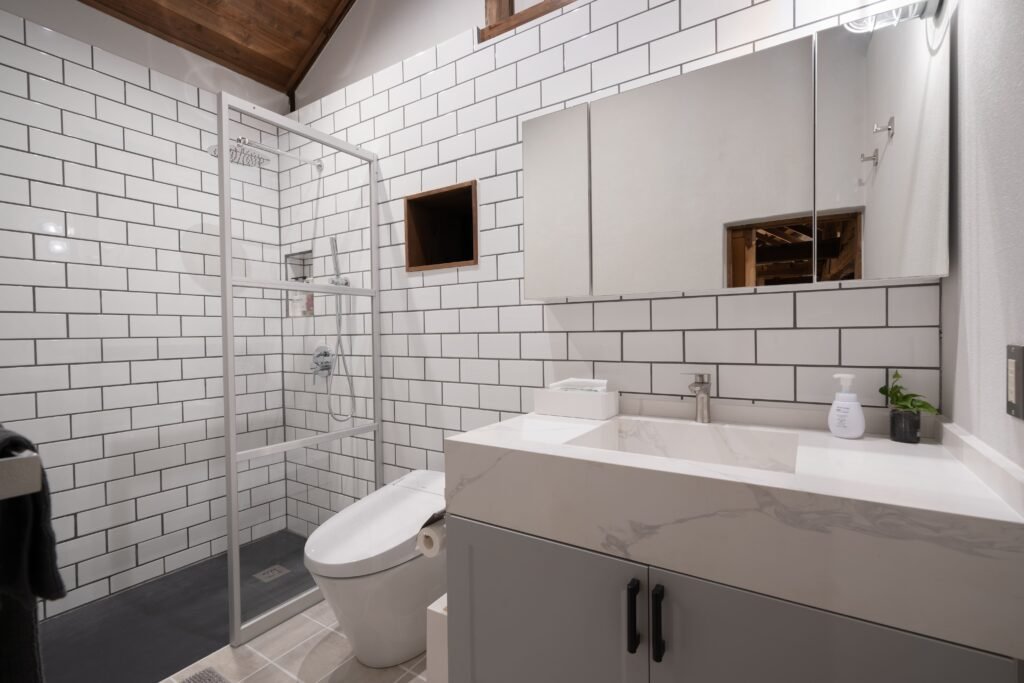
KKR®’s custom solid surface vanities combine these features with timeless design, making them ideal for luxury hotels, commercial restrooms, and high-end residences.
7. Monitor Humidity Levels
If your bathroom tends to trap humidity, consider installing a small dehumidifier or humidity monitor.
Keep humidity below 60% to ensure mold cannot grow. For large spaces or hotel environments, central ventilation control systems are ideal.
Why Solid Surface Is the Long-Term Solution
Solid surface isn’t just beautiful — it’s engineered for hygiene and durability.
With seamless fabrication, non-porous density, and low maintenance, it’s a preferred choice for 5-star hotels, villas, and premium projects worldwide.
KKR® solid surface advantages:
- Seamless joints, no mold-prone cracks
- Non-porous and easy to clean
- Resistant to humidity, stains, and bacteria
- Fully customizable in shape, size, and color
That’s why leading hospitality brands like W Hotel, Hilton, and Pullman trust KKR® for their bathroom vanity solutions.

Conclusion
Mold prevention isn’t just about cleaning — it’s about smart material selection, proper design, and long-term planning.
Choosing a solid surface basin and countertop from KKR® means choosing a lifetime of durability, hygiene, and elegant simplicity.
Whether for new construction or renovation, you can create a bathroom that stays as clean as it looks.
👉 Contact KKR® today to discuss custom solid surface solutions for your next hotel or residential project.
FAQs About Mold Prevention in Bathroom Surfaces
1. Can mold grow on solid surface materials?
No. Solid surface materials are non-porous and seamless, meaning mold cannot penetrate or grow beneath the surface.
2. What’s the easiest way to keep basins mold-free?
Wipe surfaces dry after each use, maintain good airflow, and clean weekly with mild soap — no harsh chemicals needed.
3. Are solid surface vanities suitable for tropical or coastal climates?
Yes. Solid surface performs exceptionally well in humid, coastal, or high-temperature environments, making it ideal for hotels in such regions.
4. Do integrated basins really help prevent mold?
Absolutely. Integrated basins have no joints or seal lines where mold typically grows, ensuring a more hygienic and durable setup.
5. How often should I reseal my countertop?
Solid surface countertops don’t need resealing at all, unlike natural stone or wood — that’s one of their biggest advantages.
6. Can solid surface be repaired if it gets damaged?
Yes. Minor scratches or stains can be easily sanded and restored to a new-like finish, extending its service life for decades.
7. What’s the ideal humidity level to prevent mold growth?
Keep your bathroom below 60% relative humidity. Good ventilation and regular cleaning are key.