When you think of buying a bathtub for a residential or commercial project, one thing that comes to mind is how durable it is. If you need a bathtub for your home or for a hotel, the question is how long a solid surface bathtub lasts. The answer is that a well-maintained solid surface bathtub can last 20 to 30 years or even more. With proper maintenance and high-quality manufacturing, it can last even longer because the solid surface material is repairable and does not wear out like coated surfaces.
This blog breaks down everything you need to know about solid surface bathtub durability, from its structure to maintenance practices, so you can make a thoughtful purchasing decision.
Understanding the Structure of Solid Surface Bathtubs
Before we discuss the durability and lifespan of a bathtub, it is essential to understand what solid surface bathtubs are made of and what their structure is like.
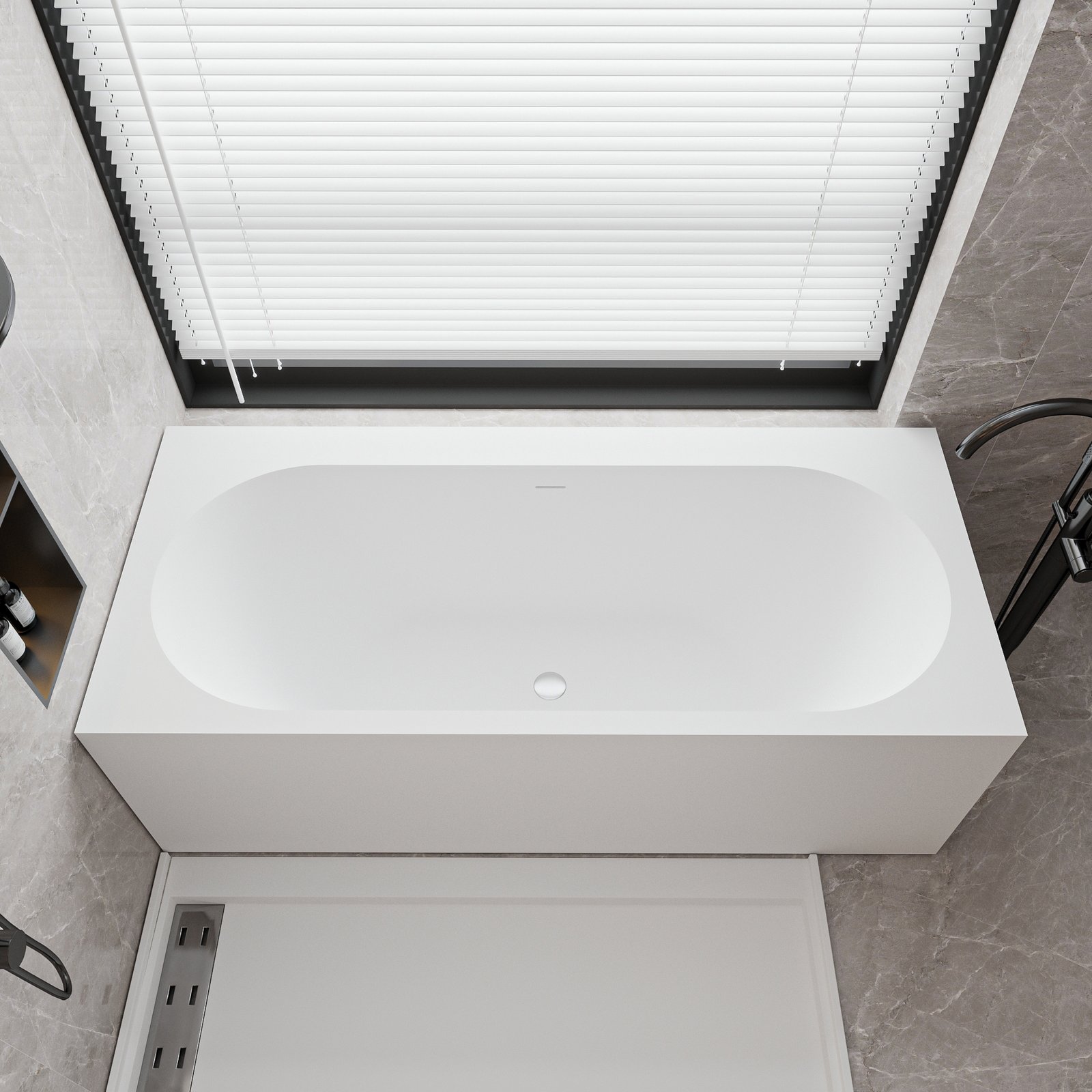
Solid surface bathtubs are made by blending acrylic or polyester resins with natural mineral fillers such as alumina trihydrate. This is a non-porous material; the color and composition are the same on the surface as they are inside, so it is consistent all over the surface.
Due to its homogeneous structure, solid surface bathtubs are durable and perform well over time. In materials like fiberglass or acrylic-coated steel, durability depends on the outer protective layer. Once that layer gets damaged, the material becomes exposed. In a solid surface bathtub, however, there is no separate coating; its material is consistent throughout and does not wear over time. The entire body of the tub is made from the same material, which gives it a much longer functional life.
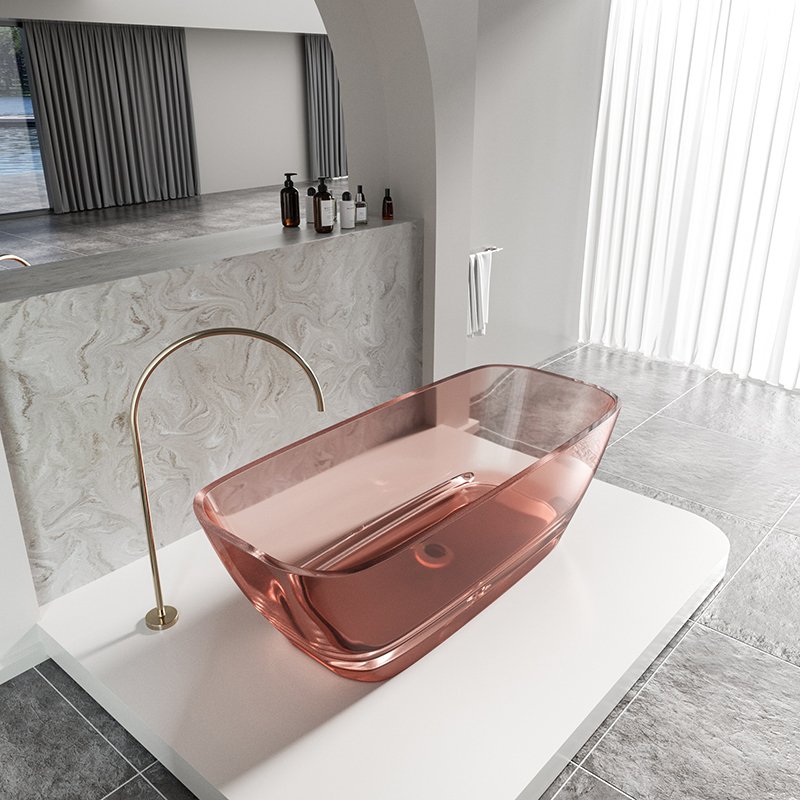
Since its sealed, water, soap residue, and cleaning agents cannot enter the surface. Solid surface bathtubs can easily resist mold and bacteria because their surface does not absorb water. They can be made without joints or seams, which prevents weak areas from forming over time. This eliminates one of the most common points of weakness found in other bathtub materials.
What is the Expected Lifespan of a Solid Surface Bathtub?
The average lifespan of a solid surface bathtub is around 15–30 years when properly cared for and made from high-quality, durable materials.
Solid Surface Bathtub Lifespan by Usage
The lifespan of a solid surface bathtub varies based on usage and maintenance, as shown below:
| Usage Type | Average Lifespan | Notes |
| Residential Use | 20–30+ years | Normal use, basic maintenance |
| Light Usage | 30 + years | Minimal daily use, well-maintained |
| Commercial Use | 15–20 years | High usage (hotels, resorts) |
Hence, it is important to note that the lifespan of a solid-surface bathtub also depends on the quality of manufacturing. An experienced bathtub manufacturer will also focus on strict quality controls along with high-grade materials. This will help the bathtub last longer. It is always better to work with manufacturers who have a proven track record and can provide product certifications and testing data.
Key Factors That Affect the Durability of Solid Surface Bathtubs
While a solid surface is a durable material, several factors affect how long a solid surface bathtub lasts in real-world conditions.
- Quality of the Material
All solid surface materials are not the same. The quality of the material depends on the materials that are used and how the bathtub is made, factors that affect its strength, flexibility, and durability. Solid surface bathtubs are stronger and resistant to scratches, stains, and color fading over time.
- Installation Quality
Even a high-quality bathtub can get damaged if it is not installed properly. Solid surface bathtubs need strong and even support underneath; otherwise, they may bend under weight and develop cracks over time. That’s why professional installation is important, especially for freestanding or custom-shaped tubs.
- Exposure to Harsh Chemicals
Solid surface bathtubs can handle most regular cleaners, but using strong chemicals like bleach, harsh liquids, or rough scrubbing tools over time can damage the surface. This is common in commercial places where heavy-duty cleaning products are used. Using mild and gentle cleaners can help the bathtub last much longer.
- Heat Exposure
Solid surface bathtubs can handle normal warm water, but using high-temperature water can damage them. If you place very hot items on the tub, that can cause discoloration or surface damage.
- Physical Impact
If you drop a heavy or sharp object on a solid surface bathtub, it can cause small chips or cracks. The good thing is that this kind of damage can be easily repaired, which makes the solid surface better than many other materials.
Maintenance Practices That Extend Lifespan
Solid surface bathtubs are widely preferred because they are easy to maintain when compared to cast iron, stone, resin, and natural stone tubs. Simply following some practices can push the lifespan of a solid surface bathtub.
- Regular Cleaning
Clean the surface after each use so that soap residue does not deposit there. For routine cleaning, you just need mild soap and a soft cloth. Avoid using harsh detergents or steel wool, as they can dull the surface over time.
- Dealing with Stains
You can remove the stains of bath products, hair dye, or cosmetics with a gentle household cleaner or a diluted mix of water and baking soda. As the solid surface is sealed, stains rarely penetrate deeply and are generally easy to lift from the surface.
- Repairing Minor Scratches
Solid surface bathtubs are repairable and are much preferred over other materials. In enamel-coated tubs, if there is a chip, it may expose a different material underneath, whereas a solid surface material can be buffed and sanded, removing any minor scratches.
Generally, this is done by a professional technician without removing the tub and restoring it to a near-new appearance. This is particularly done in hotel and resort environments, where maintaining a premium guest experience is a priority.
- Avoiding Abrasive Products
Always use non-abrasive cleaning tools and mild products to protect the surface. Don’t use harsh scrubbing pads and chemical cleaners with bleach or acetone. Using such products can cause surface discoloration or damage.
- Periodic Professional Inspection
For commercial settings, it is important to have a professional inspect so that they can check the drain fittings, overflow connections, and any silicone seals periodically. Replacing worn seals promptly prevents water from getting behind the tub, which can cause structural damage to the surrounding walls and floor.
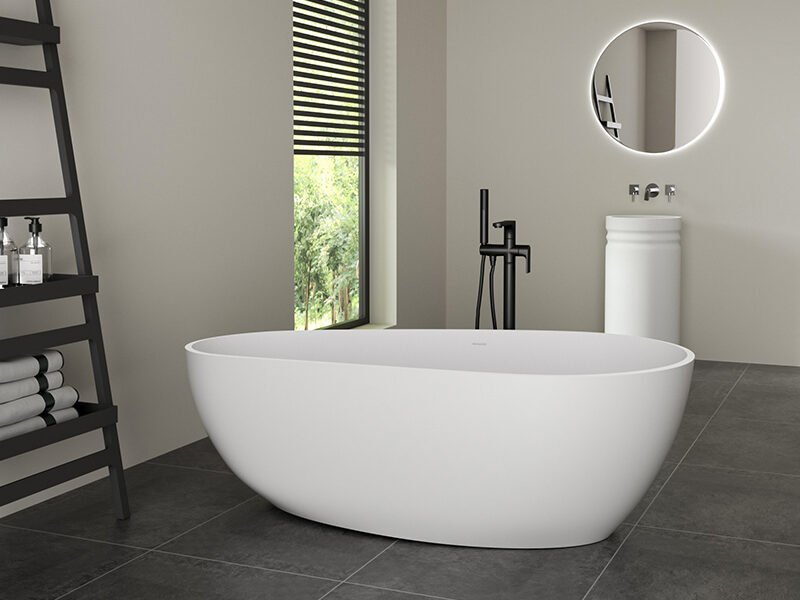
Solid Surface Bathtub vs Other Materials: Lifespan Comparison
| Material | Lifespan | Maintenance | Repairability | Best Use |
|---|---|---|---|---|
| Solid Surface | 20–30 yrs | Easy | High | Hotels, custom projects |
| Acrylic | 10–15 yrs | Easy | Low | Residential |
| Fiberglass | 8–12 yrs | Moderate | Low | Budget |
| Cast Iron | 20–30 yrs | Low | Very Low | Luxury, heavy install |
5 Things to Check Before Buying a Solid Surface Bathtub
Before making a purchase, keep these key points in mind:
- Material Quality: Make sure that the bathtub is made from high-grade acrylic or polyester resin blended with natural mineral fillers for consistent durability
- Certifications: Look for internationally recognized certifications such as CE, CUPC, SGS, and ISO 9001 to ensure the product meets safety and quality standards
- Warranty Period: A reliable manufacturer should offer around a 10-year warranty. KingKonree (KKR) offers an industry-leading 10-year warranty, which is above the standard warranty of 2 to 5 years offered by most competitors
- Customization Options: Before you choose your manufacturer, ensure that it supports custom sizes, shapes, colors, and integrated designs.
- Manufacturer Track Record: Work with a manufacturer that has a good track record in commercial projects and can provide testing data and references.
Why Is Solid Surface a Smart Long-Term Investment?
When you start comparing solid surface bathtubs with other bathtub materials, the value of solid surface becomes clear. You may use inexpensive fiberglass bathtubs, but they typically last for 10-15 years. Acrylic tubs perform better but are prone to scratching and surface yellowing with time. Cast iron tubs have remarkable durability; however, they are difficult to install, significantly heavy, and have fewer design choices.
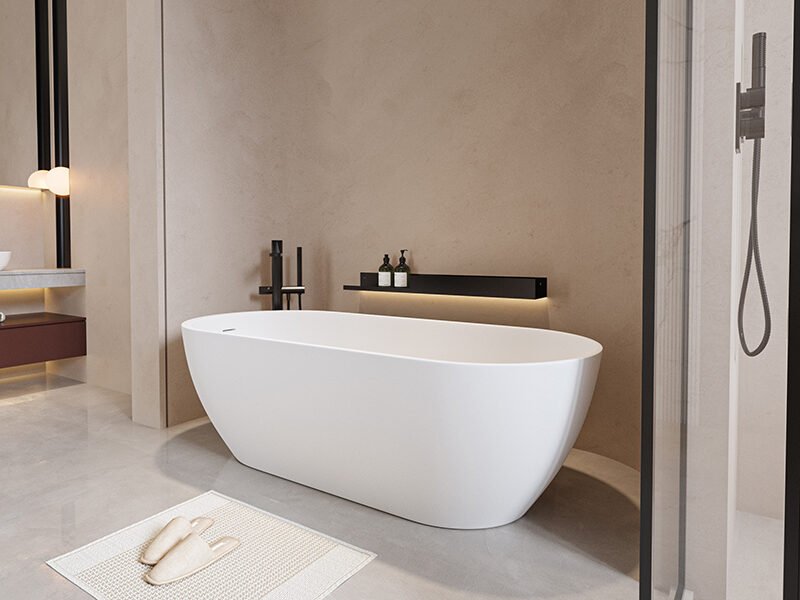
Solid surface bathtubs are often considered one of the most balanced options due to their durability, repairability, and design flexibility. For custom bathtub manufacturers and their clients, solid surface is one of the most versatile choices available today. Solid surface is well-suited for major hospitality projects, as it allows custom shapes and seamless designs to be sourced from one manufacturer while ensuring uniform quality across large order volumes.
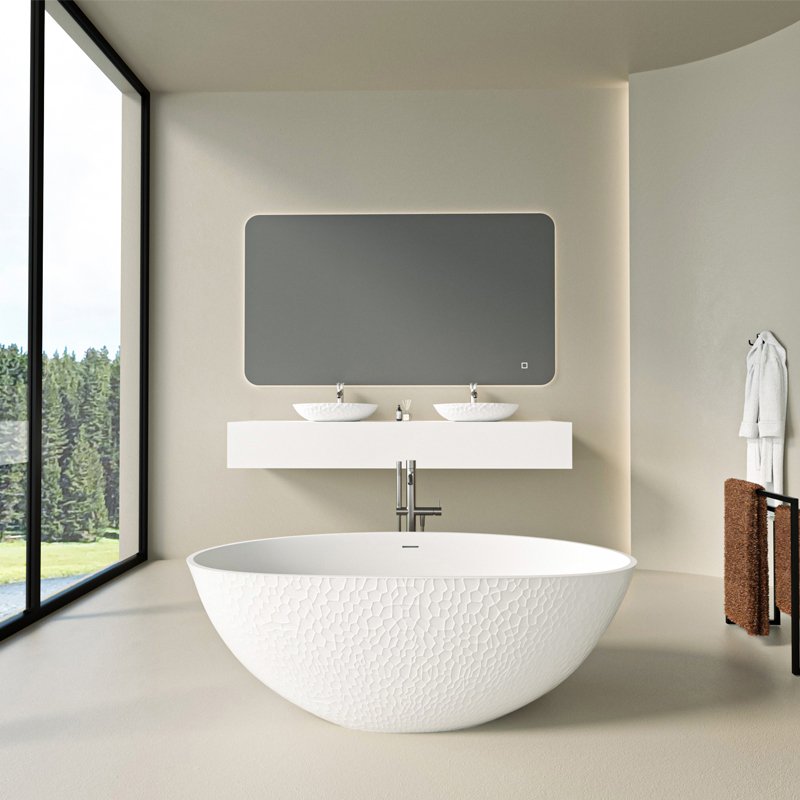
Industry Perspective: Solid Surface in Commercial Projects
With experience on 400+ global hotel projects, KingKonree (KKR) has developed a deep understanding of the truly demanding commercial bathroom environments. In these hotel projects, one thing we have noticed repeatedly is that solid surface bathtubs are much easier to maintain over time. Since they have no joints with smooth, water-resistant surfaces, cleaning is faster, and the risk of water damage is much lower.
Hotel developers have mostly chosen solid-surface solutions due to their long-term reliability under heavy daily use. From luxury resorts to large-scale business hotels, the material consistently meets international hotel engineering standards.
This real-world project experience directly shapes how KKR approaches manufacturing, ensuring every product delivers consistent quality, whether for a single residential installation or a large-volume commercial order.
Conclusion
So, how long does a solid surface bathtub last? With proper care and maintenance, you can expect 20 to 30 years of performance from a residential project and 15 to 20 years in busier commercial environments. Solid surface bathtubs have an impermeable structure, durability, and easy repairability, which gives them a clear advantage over other materials.
Solid surface bathtubs have become a preferred choice in commercial settings, valued for their design adaptability and minimal long-term maintenance demands. Partnering with an experienced bathtub manufacturer ensures that the material quality, fabrication precision, and after-sales support are all in place to get the most out of your investment.
For large-scale hospitality or residential projects, choosing a bathtub manufacturer with proven experience ensures that solid surface bathtubs deliver consistent quality, long-term durability, and efficient project execution.
Frequently Asked Questions
Q1. How long does a solid surface bathtub last?
A well-maintained solid surface bathtub can last 20 to 30 years in residential settings and 15 to 20 years in high-traffic commercial environments like hotels and resorts.
Q2. Is a solid surface bathtub easy to maintain?
Yes. Simply clean it with mild soap and a soft cloth. It resists stains and mold due to its non-porous surface, making daily maintenance quick and effortless.
Q3. Can scratches on a solid-surface bathtub be repaired?
Absolutely. Unlike coated tubs, solid surfaces can be sanded and buffed back to its original appearance. A professional technician can restore it without removing the tub entirely.
Q4. Is a solid surface bathtub suitable for hotels and commercial projects?
Yes. Its durability, seamless design, and easy maintenance make it a top choice for hotels. It handles heavy daily use while maintaining a premium appearance over many years.
Q5. How is a solid surface different from acrylic or fiberglass bathtubs?
Solid surface is consistent throughout its material, meaning it won’t chip or peel like acrylic or fiberglass. It lasts longer, looks better over time, and is fully repairable.