
Freestanding bathtubs have become a signature feature in luxury hotels, villas, and high-end residential projects. Their sculptural appearance and spa-like experience add immediate visual value—but for contractors and project managers, bathtub weight is a critical technical consideration that cannot be overlooked.
Failing to assess bathtub weight properly can lead to structural issues, costly redesigns, and on-site delays. This guide explains what contractors must evaluate before specifying or installing a freestanding bathtub—especially in commercial and hospitality projects.
1. Why Bathtub Weight Matters in Construction
A freestanding bathtub is not just a bathroom fixture—it is a static load that sits permanently on the floor structure.
Contractors must account for:
- The empty weight of the bathtub
- The weight of water when filled
- The weight of the user(s)
- Load distribution across the floor slab
In upper-floor hotel rooms or villas, overlooking these factors can compromise structural safety and code compliance.
2. Understanding Different Bathtub Weights by Material
Bathtub weight varies significantly depending on material choice.
Common Freestanding Bathtub Materials
| Material | Approx. Empty Weight | Key Notes |
|---|---|---|
| Acrylic | 40–60 kg | Lightweight, easy to install |
| Solid Surface | 120–180 kg | Durable, premium, stable |
| Cast Iron | 150–200+ kg | Very heavy, high load |
| Stone / Marble | 250 kg+ | Requires reinforced structure |
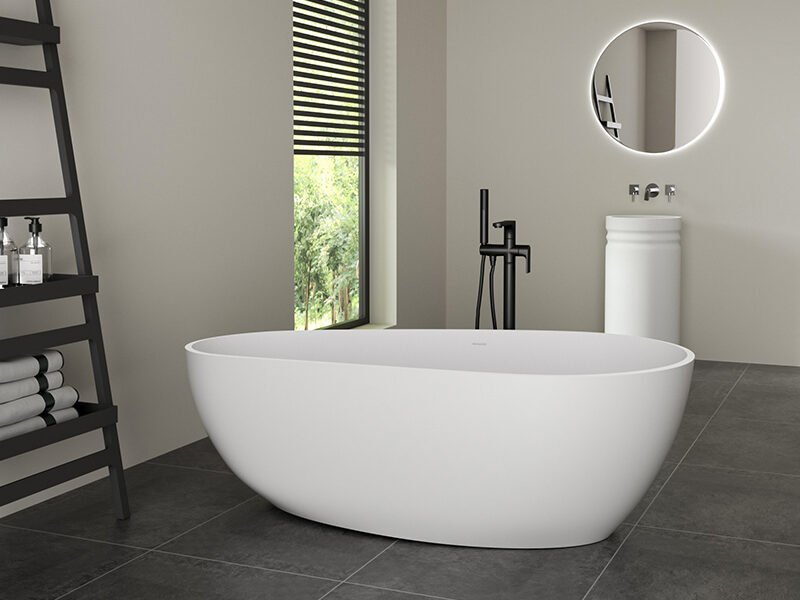
Solid surface bathtubs, such as those produced by KKR®, strike an ideal balance—heavier and more stable than acrylic, but far lighter and safer than natural stone.
3. Total Load Calculation: More Than Just the Tub
Contractors should always calculate the total load, not just the product weight.
Example Load Breakdown
- Solid surface bathtub: 150 kg
- Water (300 liters): ~300 kg
- User(s): 100–150 kg
➡️ Total load: 550–600 kg concentrated in one area.
This load must be evaluated against:
- Floor slab thickness
- Reinforcement design
- Structural beam spacing
- Local building codes
4. Floor Structure Considerations
Ground Floor Installations
- Usually safe for most freestanding bathtubs
- Minimal reinforcement required
Upper Floors (Hotels & Apartments)
- Structural engineer review recommended
- Reinforced concrete slabs preferred
- Avoid placing tubs near slab edges
- Load distribution plates may be required
For hotel projects, it’s common to position bathtubs directly above structural beams or columns to ensure load safety.
5. Weight Distribution & Bathtub Base Design
Not all bathtubs distribute weight evenly.
Key Points Contractors Should Check
- Is the bathtub supported by a full base or small feet?
- Does the design concentrate load at specific points?
- Is there a recommended installation pad or leveling layer?
KKR® solid surface bathtubs are designed with full-contact bases, ensuring even weight distribution and reducing point-load risk.
6. Installation Logistics & On-Site Handling
Bathtub weight also affects construction logistics.
Contractors must consider:
- Elevator load limits
- Stair access width
- Number of installers required
- Lifting equipment or dollies
- Protection of finished flooring
Solid surface bathtubs are heavy enough to feel premium, yet manageable with 2–4 installers, making them more site-friendly than stone tubs.
7. Building Code & Compliance Considerations
Depending on region, freestanding bathtubs may fall under:
- Live load limits
- Bathroom fixture regulations
- Hotel safety standards
Always verify:
- Maximum allowable floor load (kg/m²)
- Fire and waterproofing requirements
- Accessibility or hotel brand standards
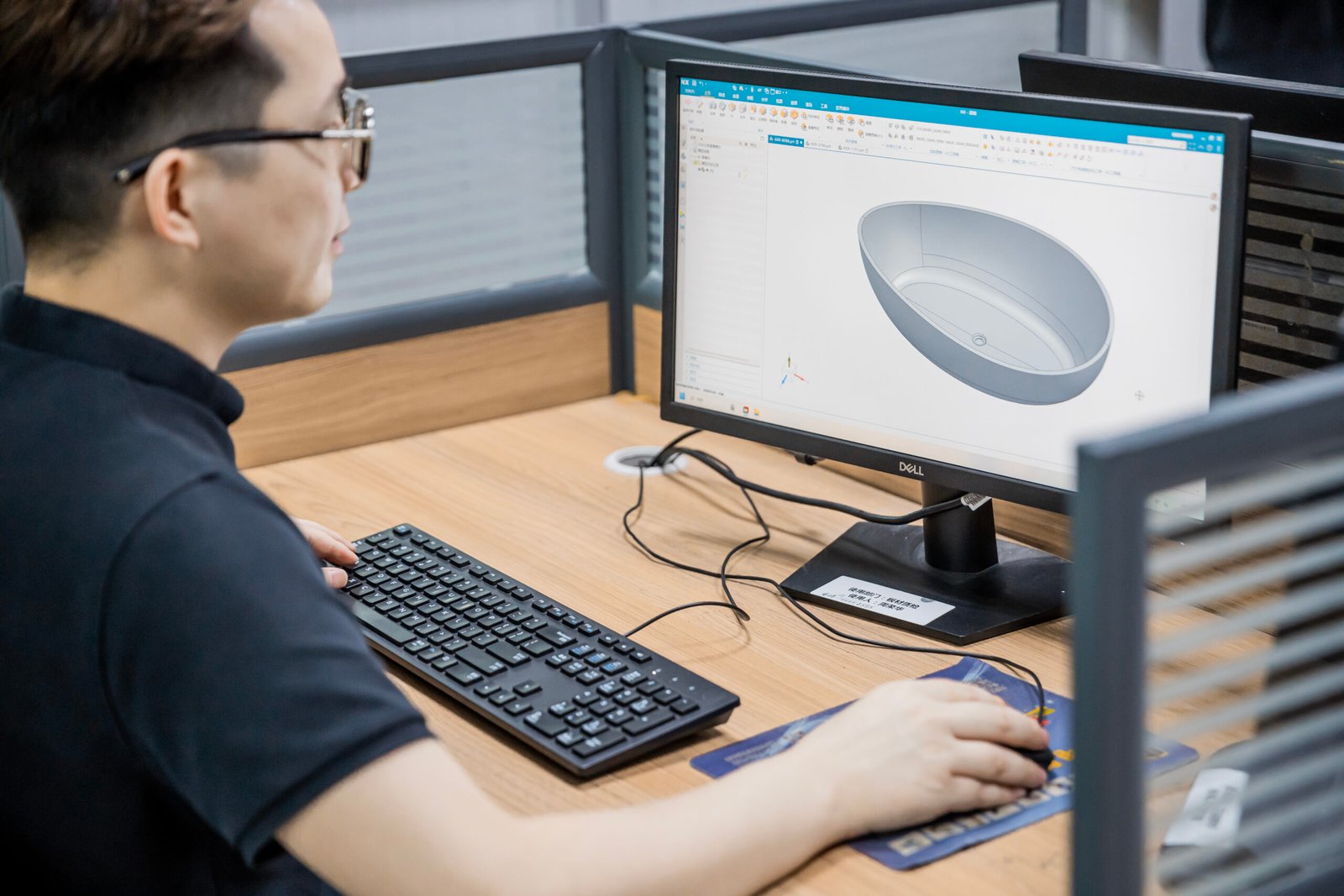
Manufacturers like KKR® provide technical drawings and weight data to support engineering approval.
8. Why Solid Surface Is the Contractor-Friendly Choice
From a contractor’s perspective, solid surface bathtubs offer clear advantages:
- Predictable, consistent weight
- High strength without extreme mass
- Repairable surface (scratches can be refinished)
- Non-porous and waterproof
- Stable performance in humid environments
- Custom sizes available for load planning
This makes solid surface ideal for hotel chains, serviced apartments, and luxury villas.
Check more project cases:https://kkrbath.com/projects/
Conclusion
Freestanding bathtubs elevate bathroom design—but only when specified correctly. For contractors, understanding bathtub weight, load distribution, and structural requirements is essential to delivering safe, compliant, and successful projects.
Solid surface bathtubs from KKR® provide the ideal balance of luxury appearance, manageable weight, and engineering reliability—making them a preferred choice for modern commercial and hospitality projects.
👉 Need detailed weight data or technical drawings for your project?
Contact KKR® to support your engineering and installation planning.
FAQs: Freestanding Bathtub Weight
1. How heavy is a solid surface freestanding bathtub?
Typically between 120–180 kg, depending on size and design.
2. Do freestanding bathtubs need floor reinforcement?
Ground floors usually don’t. Upper floors should be reviewed by a structural engineer.
3. Is a solid surface bathtub lighter than stone?
Yes. Solid surface is significantly lighter while maintaining a stone-like appearance.
4. Can hotel floors support freestanding bathtubs?
Yes, when properly designed and positioned above structural support points.
5. Does bathtub weight affect installation cost?
Yes. Heavier tubs require more labor and handling, which impacts installation planning.