Key Takeaways
- Washbasins are available in countertop, wall-mounted, integrated, pedestal, and semi-recessed styles, each suited to a different space and design need
- The right bathroom basin material depends on usage, budget, and project type
- Solid surface basins outperform ceramic in durability, hygiene, and design flexibility
- Integrated bathroom sinks are the top choice for modern hospitality bathrooms due to their seamless, hygienic surface
- ADA sink requirements include a 34-inch max height, knee clearance underneath, insulated pipes, and lever or sensor faucets
- Brands like Mandarin Oriental and Six Senses trust solid surface for their properties.
- Always match the basin type and material to the space, usage intensity, and design goal
A washbasin is a bathroom fixture installed for washing hands, faces, and other daily personal hygiene activities. There are various types of bathroom sinks, such as countertop, wall-mounted, and integrated styles made from materials such as ceramic, solid surface, and stone resin. It is important to choose the right bathroom basin, as the wrong one can affect the overall design of your space.
What Is a Washbasin?
A washbasin is an important bathroom fixture that is the first thing you use in the morning and at night. It is not just about its functionality but about how well the basin complements your space.
In residential bathrooms, the basin defines the vanity area. It reflects design ability when used in hotel and commercial spaces and changes the identity of the space. Whether you are renovating a home or designing a luxury hotel suite, understanding wash basin types and materials is the foundation of making the right choice.
Common Types of Wash Basins
There are many types of basins, as it depends on space, personal choices, and how you intend to use them in the bathroom.
1. Countertop (Vessel) Basins
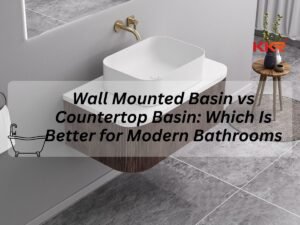
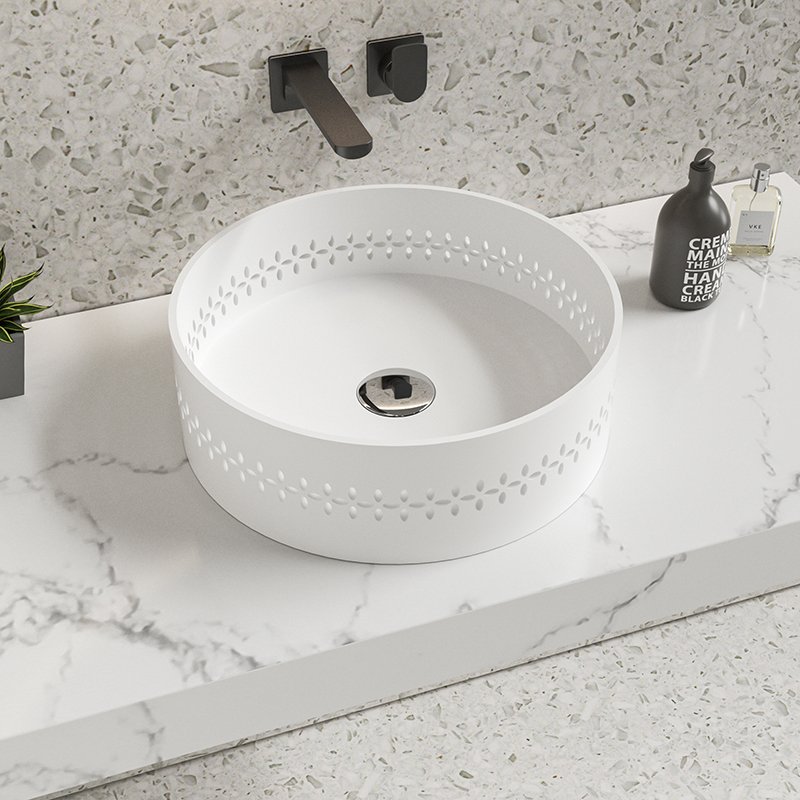
A countertop basin stands on top of the vanity unit. It is not built into it. These are used mostly in master bathrooms or boutique hotel rooms where you want your basin to stand out. They usually go well with wall-mounted faucets and a simple, uncomplicated vanity below.
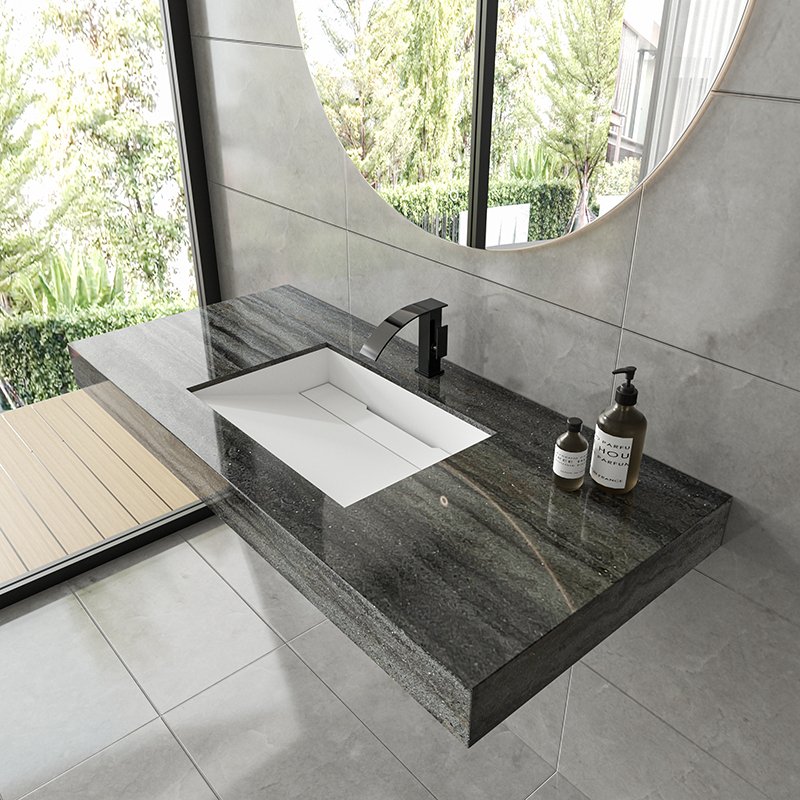
2. Wall Mounted Basins
A wall-mounted basin ( wall hung sinks) is directly attached to the wall, with no pedestal cabinet behind it. This keeps the floor free, making even the smallest bathroom feel larger. It’s also one of the easiest options for accessible bathrooms. Height may be adjusted during installation, which provides a significant benefit over other basin types.
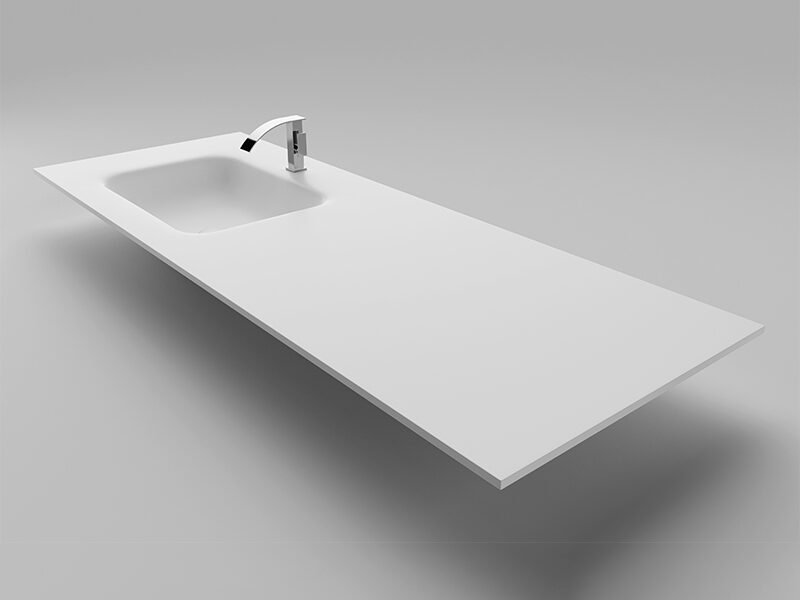
3. Integrated and Undermount Basins
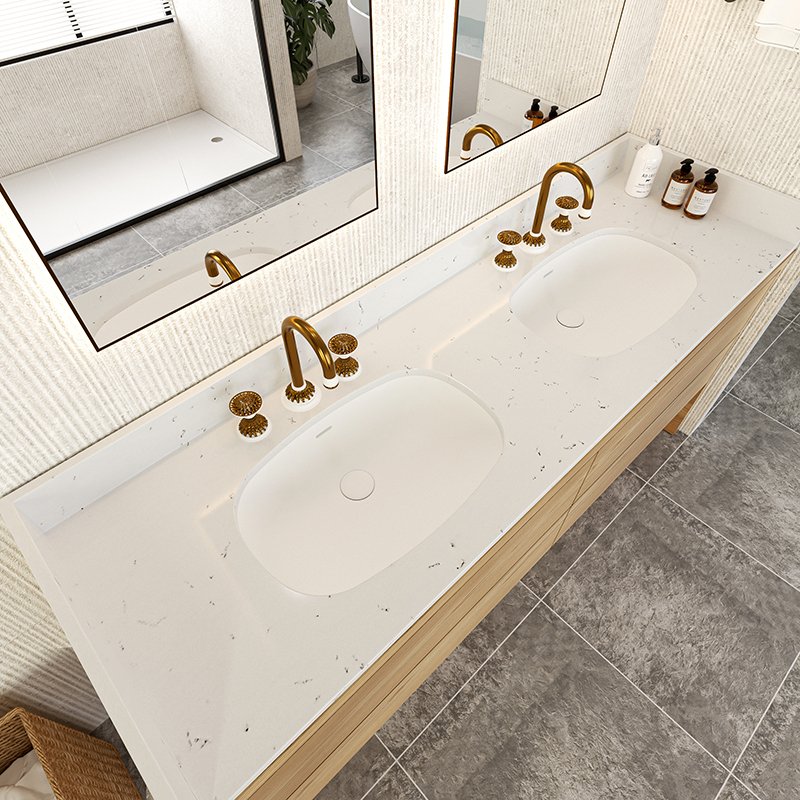
An integrated or undermount basin perfectly blends into the countertop and leaves no visible seam. So it provides the cleanest look, as there are no edges to accumulate any moisture, which makes it one of the most popular choices in hospitality design and healthcare washrooms, where hygiene is essential.
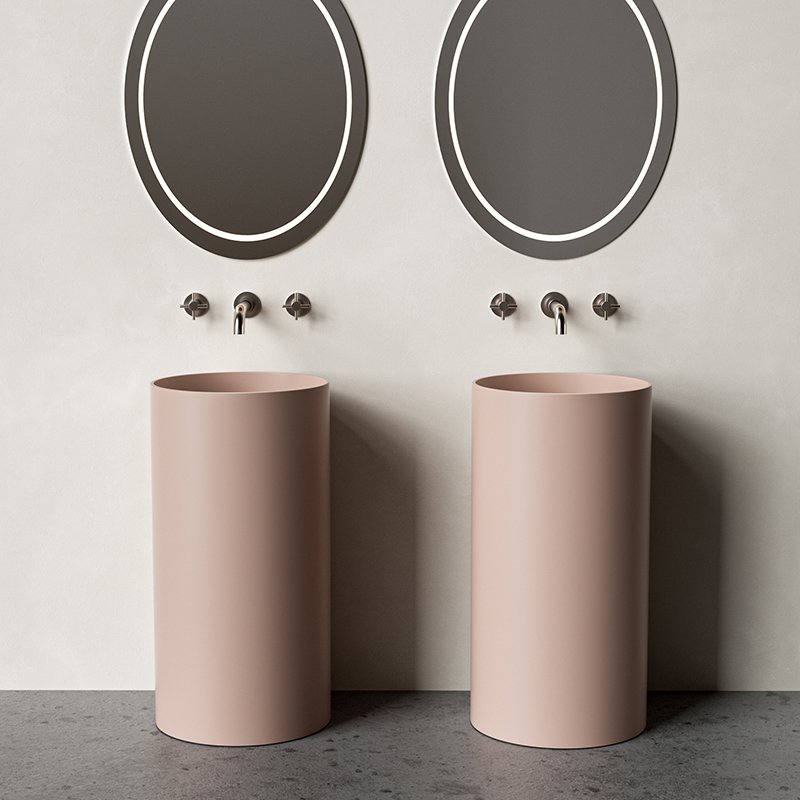
4. Pedestal Basins
The classic pedestal basin features a column base that conceals the plumbing while supporting the bowl. It’s a classic choice that looks excellent in conventional or period-inspired bathrooms. It doesn’t have as much storage as a vanity unit, but it’s simple to install and clean.
5. Semi-Recessed Basins
Semi-recessed basins are partially set into a vanity unit, with part of the bowl extending forward. This kind of design provides more basin depth than a fully inset basin. Designed for smaller spaces so it fits perfectly in bathrooms where limited wall space is available.
Basin Types
Here is a quick overview of all common wash basin types and what each one is best suited for.
| Basin Type | Best For | Key Benefit |
| Countertop (Vessel) | Master bathrooms, boutique hotels | Makes a visual statement |
| Wall Mounted | Small bathrooms, accessible spaces | Frees up floor space |
| Integrated / Undermount | Hospitality, healthcare | Seamless, hygienic surface |
| Pedestal | Traditional/classic bathrooms | Easy to install and clean |
| Semi-Recessed | Compact bathrooms | More depth, less wall space |
Materials Used in Wash Basins
Washbasins are made of different materials, and the one that has good durability, appearance, fewer maintenance needs, and an overall affordable cost are used by customers.
- Ceramic Basins
Ceramic is one of the traditional materials used in bathroom basins. They are made from clay at high temperatures and then coated with hard glaze. They are affordable, easy to clean, and widely available.
The main limitation of ceramic is that it can chip easily if struck by a heavy object. The glaze may also dull over the years of heavy use. Ceramic works well in standard residential bathrooms and budget-conscious commercial projects where cost efficiency is the priority.
- Solid Surface Basins
A solid surface basin is made from a blend of acrylic, polyester resins, and natural minerals. The scratches on the surfaces can be sanded out and refinished, which extends the lifespan of the bathroom sink.
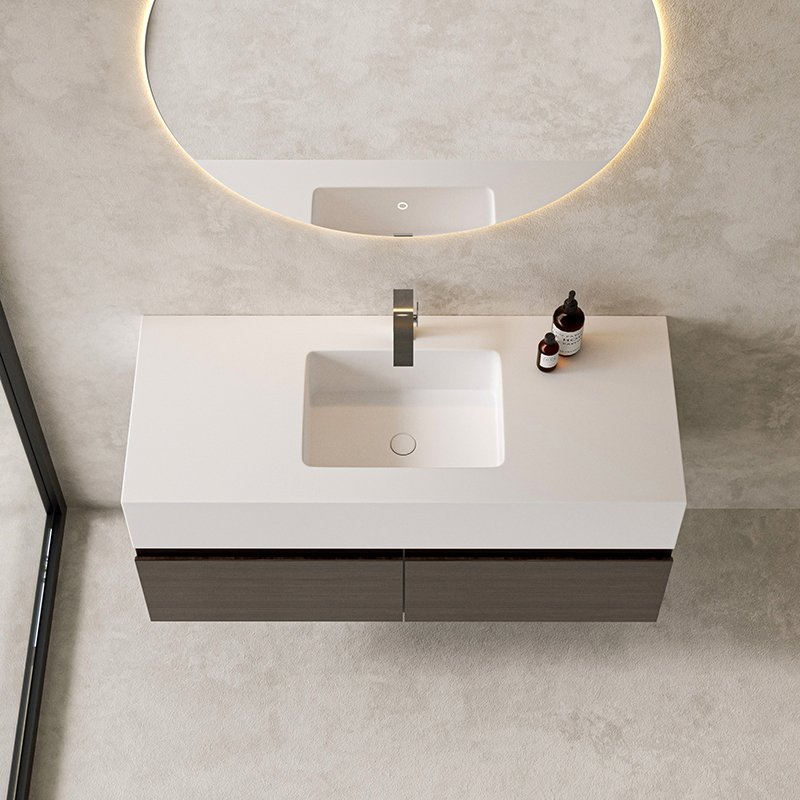
Solid surface basins are non-porous, which makes them highly resistant to stains, bacteria, and moisture. They are warm to the touch compared to ceramic or stone, making them more comfortable in cold climates. These properties make solid surfaces the top choice for modern hospitality projects, healthcare facilities, and premium residential bathrooms where hygiene and durability are non-negotiable.
- Acrylic Basins
Acrylic basins are lightweight, affordable, and available in a wide range of shapes and colors. They can be easily installed and are suitable for residential bathrooms where cost and flexibility are priorities.
They also retain heat better than many other materials, making them comfortable to use in colder environments. Additionally, their smooth surface is easy to clean, although they may be more prone to scratches compared to harder materials.
- Cultured Marble Basins
Cultured marble combines crushed limestone with resin to create a smooth, elegant surface. It mimics the look of natural marble at a lower cost and is commonly used in mid-range residential and hospitality projects. These basins look glossy with a seamless finish that enhances the aesthetic of the bathroom. Plus, it is easy to maintain and provides good resistance to everyday wear.
- Quartz Stone Basins
Quartz stone basins are highly durable and scratch-resistant, made from natural quartz bound with resin. They provide a premium, consistent appearance and perform well in high-traffic commercial and luxury residential bathrooms. Their non-porous surface makes them resistant to bacteria and moisture, ensuring better hygiene over time. They also retain their color and finish for years, even with heavy daily use.
- Terrazzo Basins
Terrazzo basins have a different appearance and are created from chips of marble, glass, or granite that are set in resin. They are durable, customizable, and popular in boutique hotels and contemporary bathroom designs. They have a wide range of color and pattern combinations, which makes each basin unique. Terrazzo is also known for its long lifespan and ability to withstand heavy usage without losing its visual appeal.
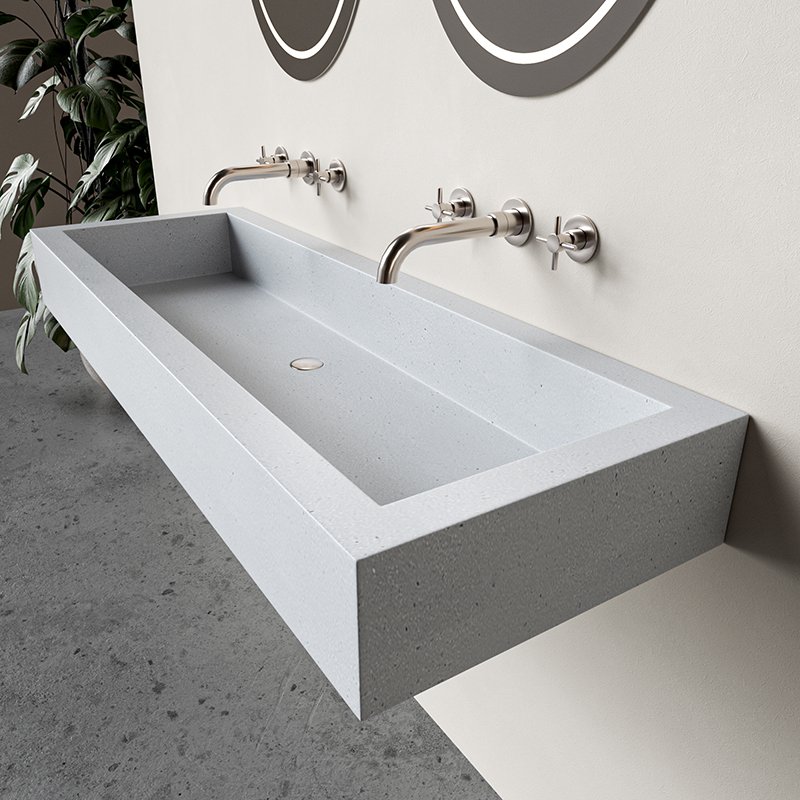
Material Comparison
Use this comparison to find the right bathroom basin material based on your budget, durability needs, and project type.
| Material | Cost | Durability | Best for |
| Ceramic | Low | Moderate | Residential, budget projects |
| Solid Surface | Medium-High | Very High | Hotels, premium residential |
| Acrylic | Low | Moderate | Residential, flexible designs |
| Cultured Marble | Medium | Good | Mid-range residential & hospitality |
| Quartz Stone | High | Very High | Luxury & high-traffic spaces |
| Terrazzo | High | High | Boutique hotels, contemporary design |
Modern Bathroom Sink Designs in Hospitality
The hospitality industry has raised the bar with its innovation in bathroom basin design. Hotels and resorts use the bathroom for their brand experience, so investing in modern bathroom sink designs is highly functional and visually appealing. In hotel bathrooms, trough-style basins are a popular choice, as they allow two guests to use the space simultaneously.
Integrated solid surface basins that have invisible drain systems do create a seamless, spa-like aesthetic. You can use wall-mounted basins with floating vanities to make smaller hotel bathrooms feel more open and spacious.
In the hospitality industry, durability is just as important as design. Materials like solid surfaces are preferred because they can withstand heavy daily use while remaining simple to clean and maintain.
ADA-Compliant Wash Basins: Accessibility in Bathroom Design
An ADA sink is a type of bathroom sink that meets the standards set by the Americans with Disabilities Act. It ensures that the bathroom is usable by people with physical disabilities, including wheelchair users.
ADA Sink Requirements
An ADA-compliant bathroom sink has to meet specific requirements to ensure that it is accessible for all users.
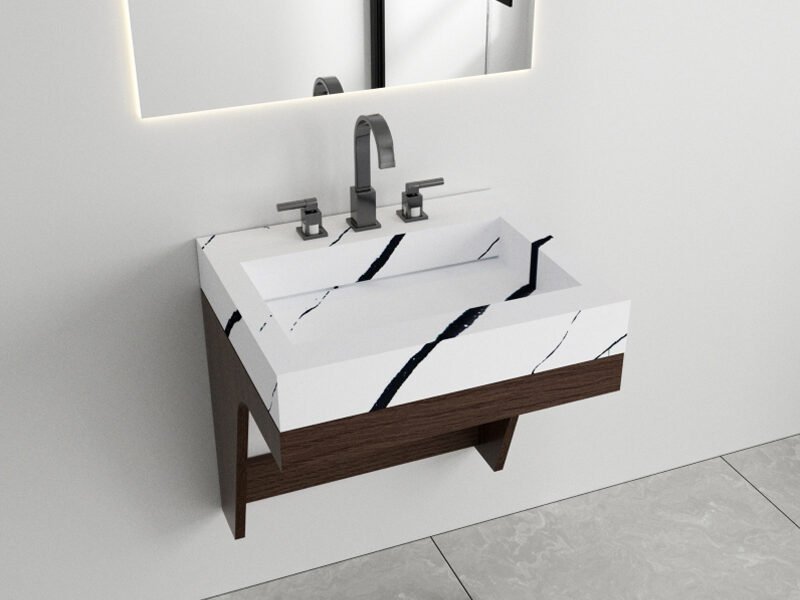
A wash basin must follow these key ADA requirements:
- The bathroom basin should be fixed no higher than 34 inches from the floor to the rim.
- The space under the bathroom sink should be at least 27 inches high, 30 inches wide, and 19 inches deep; this gives wheelchair users enough room to fit comfortably.
- Pipes beneath the wash basin must be insulated to protect users from burns, as wheelchair users may have limited sensation in their legs
- Faucet controls must be operable with one hand, without tight gripping or twisting. Lever-style or sensor taps are the best choice.
Wall-mounted basins are the most practical option for ADA-compliant bathroom basin installations. They allow the mounting height and knee clearance to be set precisely during installation. A shallow basin depth is also recommended so users can reach the faucet easily from a seated position.
What Hospitality Projects Teach Us About Basin Design?
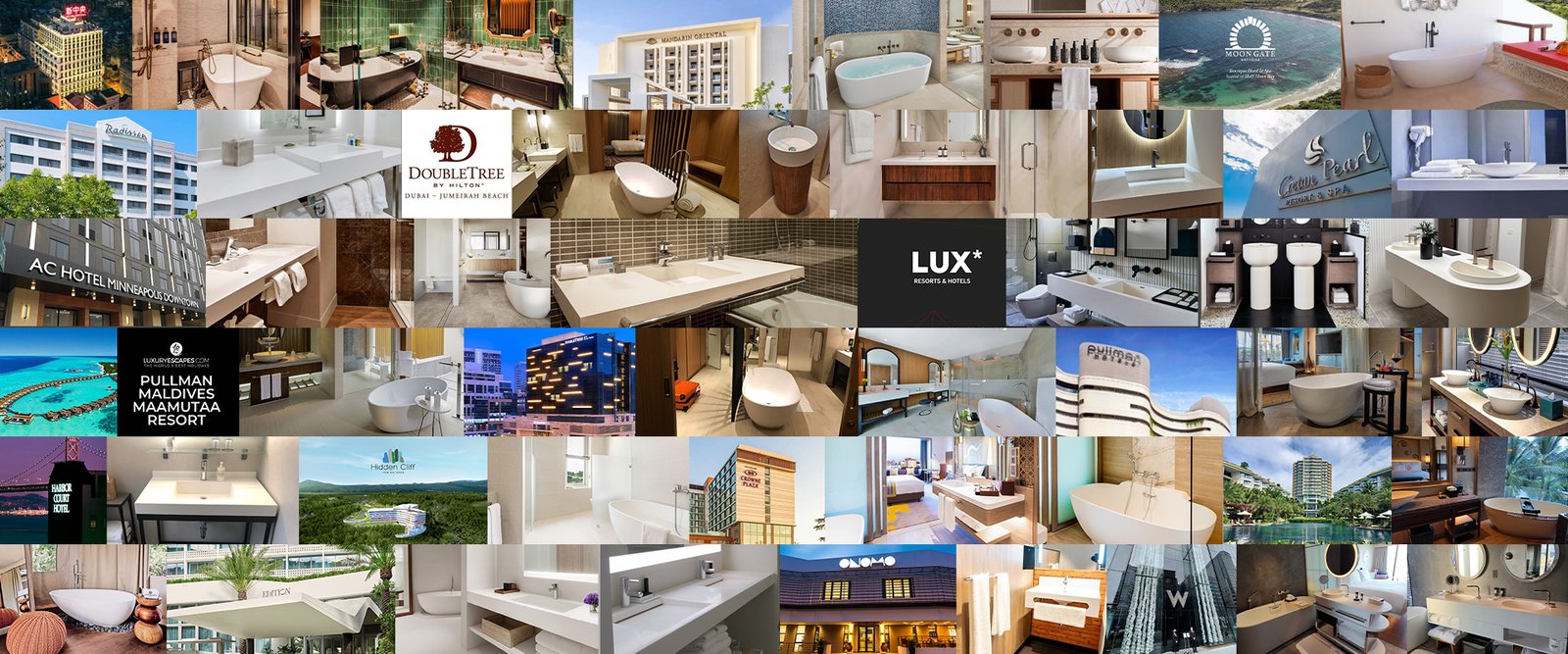
The hospitality industry has set high standards for bathroom basin design. From luxury resorts in the Maldives to large commercial hotels in the UAE and Japan, manufacturers like KKR have delivered custom solid surface basins across more than 2,000 projects worldwide. Real project experience shows that hotels need basins that look great, handle heavy daily use, and are easy to clean between guest stays.
Common challenges in commercial projects include inconsistent quality across suppliers, materials that crack or stain over time, and limited customization for project-specific layouts, all of which solid surfaces are well-equipped to solve.
Brands like Mandarin Oriental and Six Senses have chosen solid surface basins for their properties, proving that the material meets the highest standards of luxury hospitality. When every detail of the guest experience matters, the right basin material makes a real difference.
Conclusion
Choosing the right wash basin is not just about appearance; it’s about selecting the right material and design, as they play an important role in long-term performance. Whether you are designing a home bathroom or a luxury hotel, matching the basin to the space and usage is always the right approach. For projects where hygiene, durability, and design all matter, solid surface remains one of the most reliable choices available today.
Brands like KKR Bath specialize in solid surface basins that combine seamless design with long-term performance, making them a preferred option for modern residential, hospitality, and commercial spaces.
Frequently Asked Questions (FAQ’s)
1. What is an ADA compliant bathroom sink?
An ADA compliant bathroom sink is a wash basin that meets the accessibility standards set by the Americans with Disabilities Act, ensuring it is usable by people with physical disabilities, including wheelchair users.
2. What is the maximum height for an ADA sink?
An ADA sink must be mounted no higher than 34 inches from the floor to the rim, allowing wheelchair users to access it comfortably.
3. What knee clearance is required under an ADA bathroom basin?
The space under an ADA bathroom basin must be at least 27 inches high, 30 inches wide, and 19 inches deep, giving wheelchair users enough room to fit comfortably underneath.
4. Which type of wash basin is best for ADA compliance? Wall-mounted basins are the best choice for ADA compliance because the mounting height and knee clearance can be precisely controlled during installation.
5. What type of faucet is required for an ADA compliant bathroom sink?
An ADA compliant bathroom sink must have faucet controls that can be operated with one hand without gripping or twisting. Lever-style or sensor-operated taps are the recommended choice.
………………………………………………………………………………………………………………
SEO Title: Complete Guide to Wash Basins: Types, Materials, and Applications
SEO Meta Description: Choosing the right wash basin? Explore basin types, materials, and ADA guidelines to find the perfect fit for homes, hotels, and commercial projects.