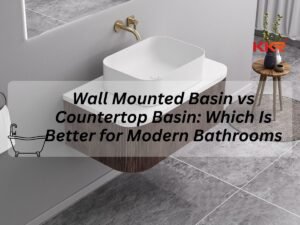
Choosing the right basin material is one of the most important decisions in bathroom design. Whether you’re working on a hotel project, residential renovation, or commercial washroom, the material you choose affects not only the look of the space, but also durability, hygiene, maintenance, and long-term value.
Two of the most common options are ceramic basins and solid surface basins. While ceramic has been used for decades, solid surface has quickly become the preferred choice for modern, high-end projects.
So what’s the real difference between the two? Let’s break it down.
1. Material Composition
Ceramic Basins
Ceramic basins are made from clay that’s shaped, glazed, and fired at high temperatures.
They are traditional, widely available, and often mass-produced.
Solid Surface Basins
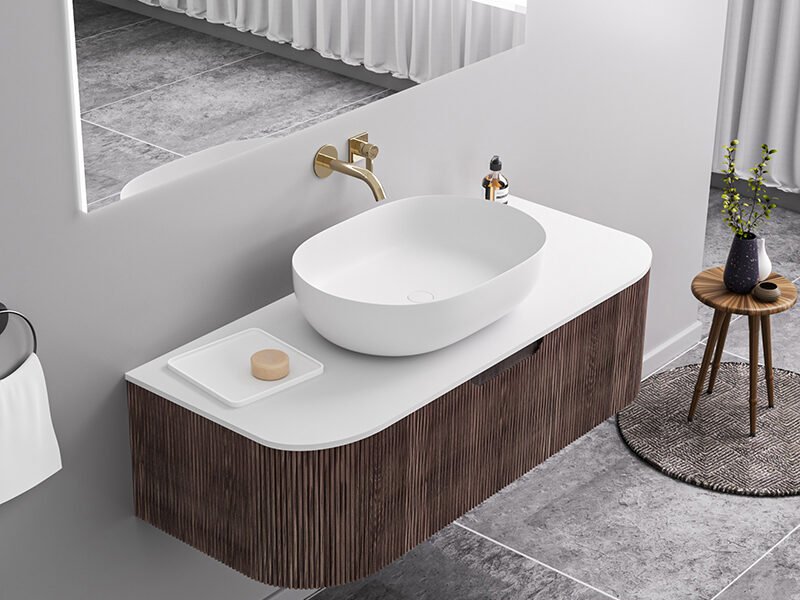
Solid surface basins are made from a blend of premium resin + aluminum powder + natural minerals, resulting in a non-porous, seamless, repairable material.
KKR® uses high-quality pure acrylic resin for maximum durability and stability.
2. Aesthetic & Design Flexibility
Ceramic
- Limited in shape due to mold restrictions
- Mostly glossy white options
- Thicker edge profiles
- Traditional look, less design freedom
Solid Surface
- Can be molded into almost any shape
- Available in matte, glossy, marble-texture, terrazzo, and custom colors
- Slim, minimalist edges possible
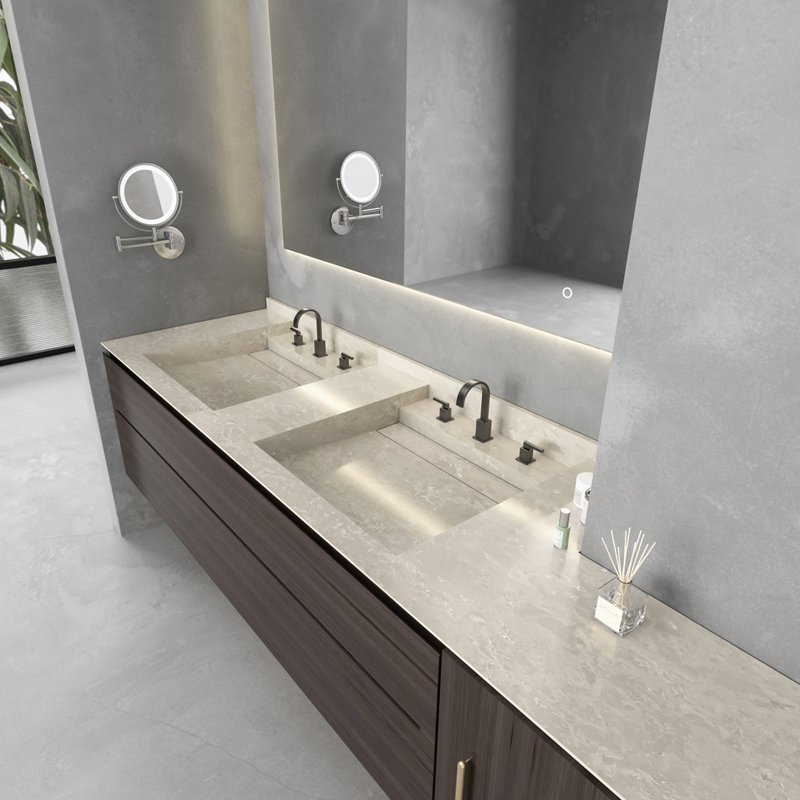
- Seamless integrated basin + countertop designs
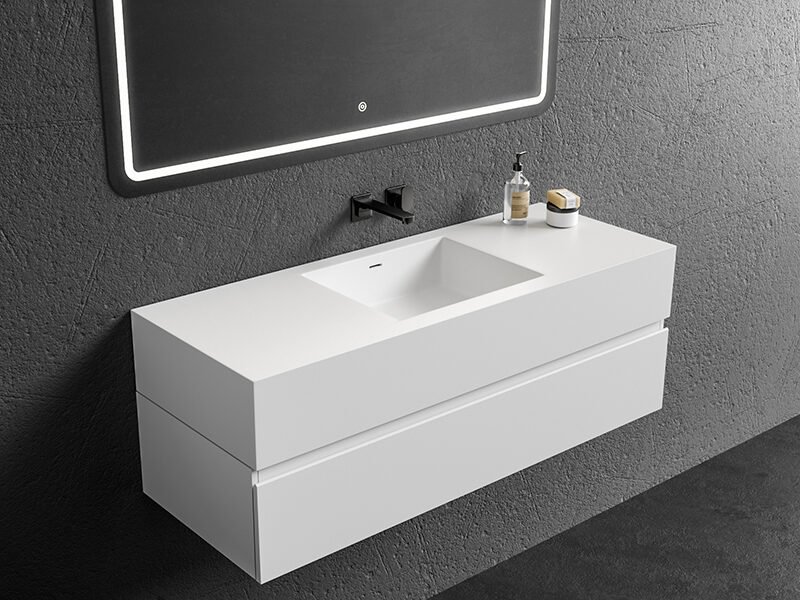
Ideal for modern, minimalist, and luxury spaces.
3. Durability & Resistance to Damage
Ceramic
✔ Hard surface
✘ Can chip or crack if hit
✘ Glaze can wear over time
✘ Harder to repair
Solid Surface
✔ Extremely durable and impact-resistant
✔ Can be repaired or refinished to look new
✔ Uniform color—no glaze to crack or fade
✔ Withstands heavy daily use (ideal for hotels)
Winner: Solid surface, especially for high-traffic environments.
4. Hygiene & Maintenance
Ceramic
- Glaze gives a smooth finish
- However, once the glaze wears or gets micro-cracks, bacteria can grow
- Hard water stains can appear on the surface
- Not repairable if scratched
Solid Surface
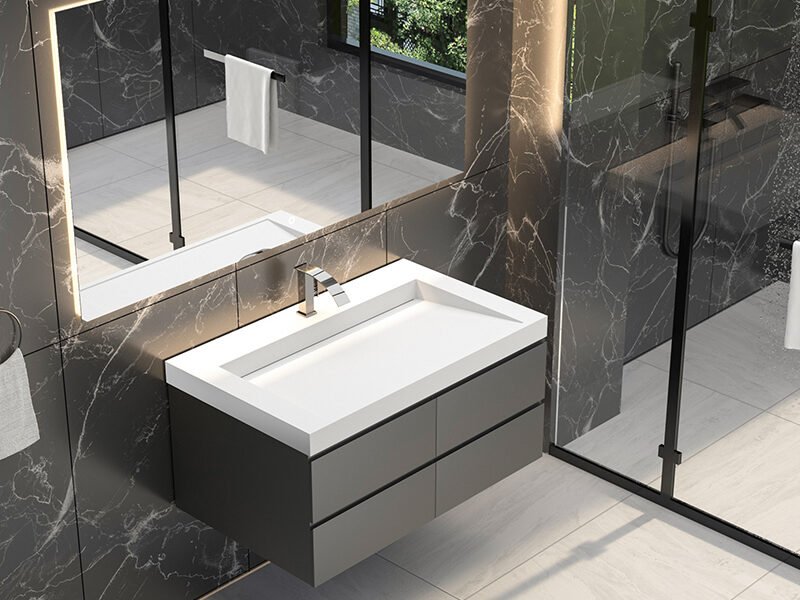
- 100% non-porous
- Completely seamless—no joints or ridges to trap dirt
- Mold-resistant, stain-resistant, and easy to clean
- Small scratches can be sanded off
Winner for hygiene: Solid surface.
5. Temperature & Humidity Performance
Ceramic
- Good heat resistance
- Can crack under sudden temperature change
- Weight can be a limitation during installation
Solid Surface
- Stable under humidity and temperature changes
- Won’t crack or warp
- Lightweight enough for wall-mounted / floating designs
Best for: Tropical climates, coastal hotels, or high-humidity bathrooms.
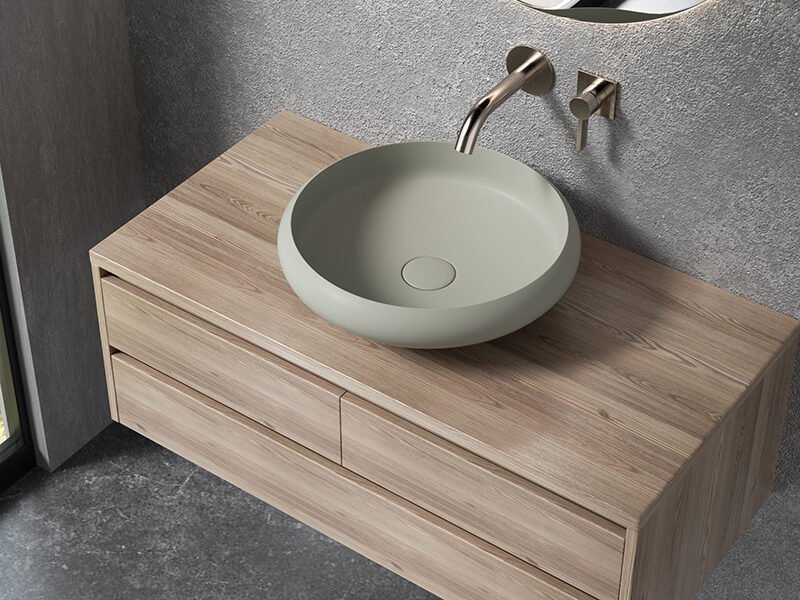
6. Customization Possibilities
Ceramic
- Limited shapes
- Limited colors
- Hard to customize except by changing glaze
Solid Surface
- Custom designs possible (size, shape, color, logo engraving)
- One-piece integrated countertops
- Perfectly fits hotel, villa, and project specifications
KKR® specializes in one-on-one design customization for engineering clients.
7. Price Comparison
Ceramic
- Usually cheaper upfront
- Limited to standard models
- Replacement cost can be high if damaged
Solid Surface
- Higher initial cost
- Much better long-term value
- Easy repairs mean longer lifespan
- Custom options available at factory-direct pricing (KKR® advantage)
For long-term ROI — solid surface wins.
Comparison Table: Ceramic vs Solid Surface Basins
| Feature | Ceramic | Solid Surface |
|---|---|---|
| Design Flexibility | ★★☆☆ | ★★★★★ |
| Durability | ★★★☆☆ | ★★★★★ |
| Repairability | ★☆☆☆ | ★★★★★ |
| Hygiene | ★★★☆☆ | ★★★★★ |
| Customization | ★☆☆☆ | ★★★★★ |
| Surface Feel | Glossy, cold | Smooth, warm matte |
| Seams | Visible | Seamless |
| Ideal For | Budget homes | Hotels, villas, premium projects |
Conclusion: Which Basin Material Is Better?
Both ceramic and solid surface basins have their place—but for modern, design-driven, and high-performance projects, solid surface clearly stands out.
If you need:
✔ A seamless look
✔ Modern minimalist design
✔ Durable and repairable material
✔ Custom sizes or shapes
✔ Hygienic, non-porous surfaces
Then solid surface is the superior choice.
That’s why KKR® solid surface basins are trusted by luxury hotels, designers, and builders in 128+ countries.
👉 Contact KKR® today for samples, custom basin designs, or engineering support for your next project.
FAQs About Ceramic vs Solid Surface Basins
1. Which basin material lasts longer?
Solid surface basins typically last longer because they are repairable and resistant to cracking.
2. Are solid surface basins easy to maintain?
Yes. They are non-porous, mold-resistant, and require only simple daily cleaning.
3. Do ceramic basins crack easily?
Ceramic is strong but brittle—if impacted, it can chip or crack.
4. Can solid surface basins be customized?
Absolutely. KKR® can fully customize the size, shape, color, and finish.
5. Which is better for hotels and commercial projects?
Solid surface, due to its durability, seamless design, and long-term performance.