Designing bathrooms for hotels and apartments is always a major responsibility with a lot of choices to make. One such decision is choosing the best material for bathroom vanity tops. It is an essential choice that requires a lot of thought because vanity countertops are used daily.
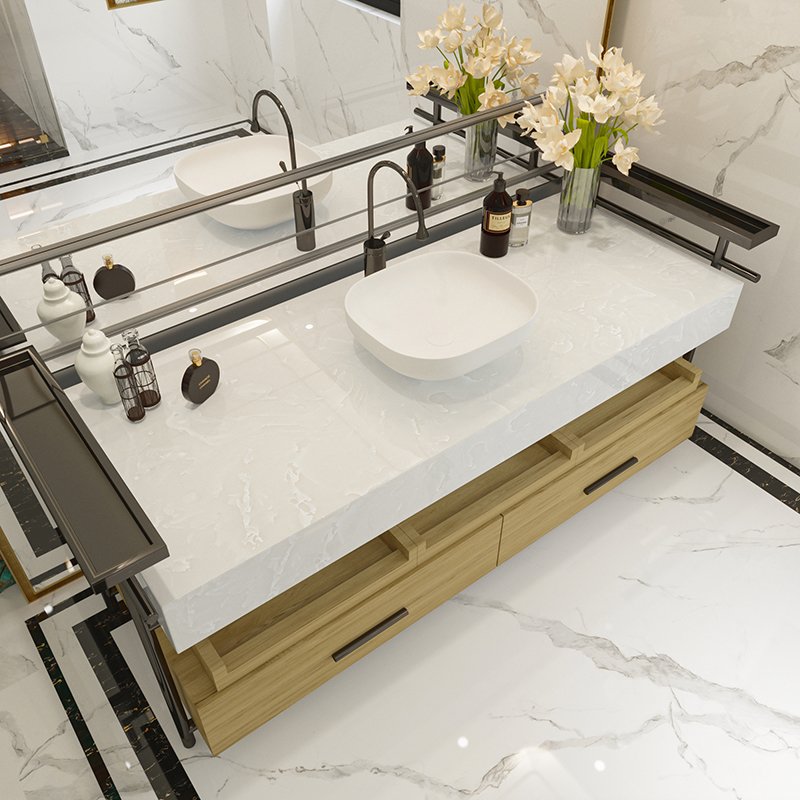
This means that they must be able to withstand heavy usage that exposes them to water and other elements like cosmetics, cleaning chemicals, and frequent touch.
The material chosen will directly affect the hotel or apartment’s long-term maintenance costs. It will also impact the development’s overall durability and hygiene standards.
In this guide, we will help you to understand the most common vanity top materials used in hotels and apartments, as well as the durability, hygiene, and design factors that influence material selection
Popular Vanity Top Materials Used in Hotels and Apartments
It is the norm throughout the industry for a variety of material types to be used in hospitality projects or residential developments. When it comes to bathroom vanity countertops, it is no different.
As such, there are several factors that will affect the selection, including the durability of the material, ease of maintaining the material, and its ability to maintain a relatively good appearance under heavy daily use.
The most widely used materials include:
- solid surface vanity tops
- ceramic vanity tops
- natural stone countertops
- quartz vanity tops
Each material offers consumers a series of different advantages. However, these advantages are dependent on the needs of the project.
Solid Surface Vanity Tops
Custom vanity tops factories make solid surface countertops using a combination of acrylic or polyester resins combined with natural mineral fillers.
The most common mineral that is used is aluminum hydroxide. Aluminum hydroxide helps to create a very dense and durable composite surface.
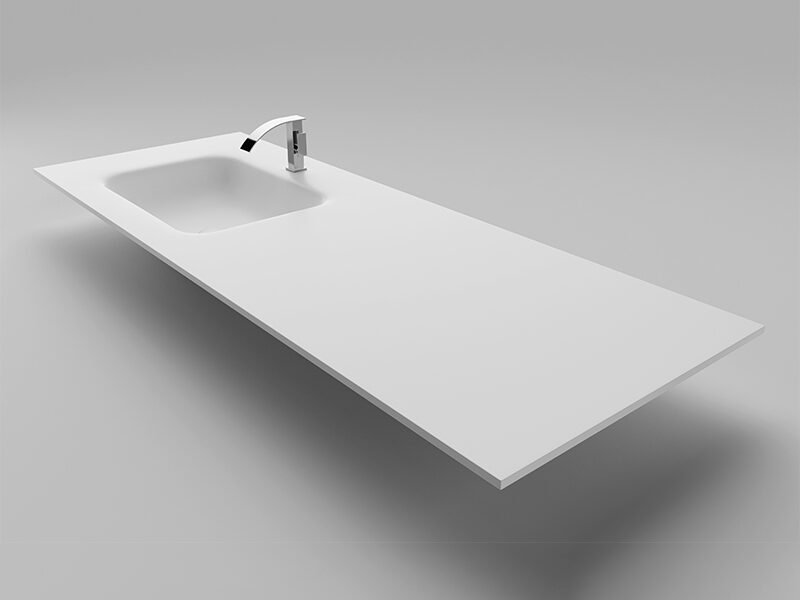
When combined, all of these materials produce a non-porous surface. That surface should be able to resist moisture penetration and staining.
Because of these desirable properties, solid surface countertops have become one of the most widely used materials in major developments.
After mixing resin, pigments, and mineral fillers to create a consistent compound, it is then poured into molds or formed into large sheets that can be cut and fabricated into customized vanity countertops.
After curing, it is then sanded and polished to the desired matte or glossy finishes.
In addition, solid surface materials can also be thermoformed. This will allow manufacturers to create integrated sink countertops.
Ceramic Vanity Tops
Ceramic is one of the other materials that is commonly used for bathroom vanity tops. Ceramic bathroom countertops are made from clay and silica or feldspar mineral materials. The material is fired at high temperature, molded, dried, and then coated with a protective glaze.
When glazed, the ceramic material will have a smooth, non-porous finish that allows it to be stain and water-resistant. It is also able to withstand chemical exposure.
Additionally, ceramic vanity tops are commonly chosen for hotel bathrooms because they are cost-effective, easy to clean, and maintain a consistent appearance over time.
Quartz Vanity Tops
The next common option is quartz vanity tops. These are basically engineered stone surfaces that are made from natural quartz crystals and combined with resins and pigments. These materials are mixed and then compressed under high pressure to form dense slabs.
The slabs are then cured, cut, and polished into a uniform and durable finish.
Quartz countertops are usually used because of their strength and consistent appearance. They are also scratch-resistant, and that makes them suitable for modern hotel and apartment bathroom designs.
Natural Stone Vanity Tops
Marble, granite, and other natural stone vanity tops are taken directly from quarries and then cut into slabs.
They are then shaped and polished; however, because natural stones are porous, they must be sealed to improve stain and moisture-resistant.
Developers must be careful with this option because although natural stone materials offer a high-end and luxurious appearance, they need much more maintenance when used in commercial bathroom environments.
Comparison of Vanity Top Materials for Hotels and Apartments
| Material | Durability | Maintenance | Design Flexibility | Best Use |
|---|---|---|---|---|
| Solid Surface | High | Easy | Very High | Hotels, custom projects |
| Quartz | Very High | Easy | Moderate | Apartments, standard units |
| Ceramic | Moderate | Easy | Low | Budget hotels |
| Natural Stone | Moderate | High | High | Luxury, low-use areas |
Durability and Hygiene Considerations for Vanity Countertops
In hotels and apartments, bathroom vanity tops must withstand heavy use daily. Residents and guests will frequently use these surfaces for cosmetics, toiletries, and other personal items. Meanwhile, there will be housekeeping routines that require the use of strong chemicals to clean them regularly.
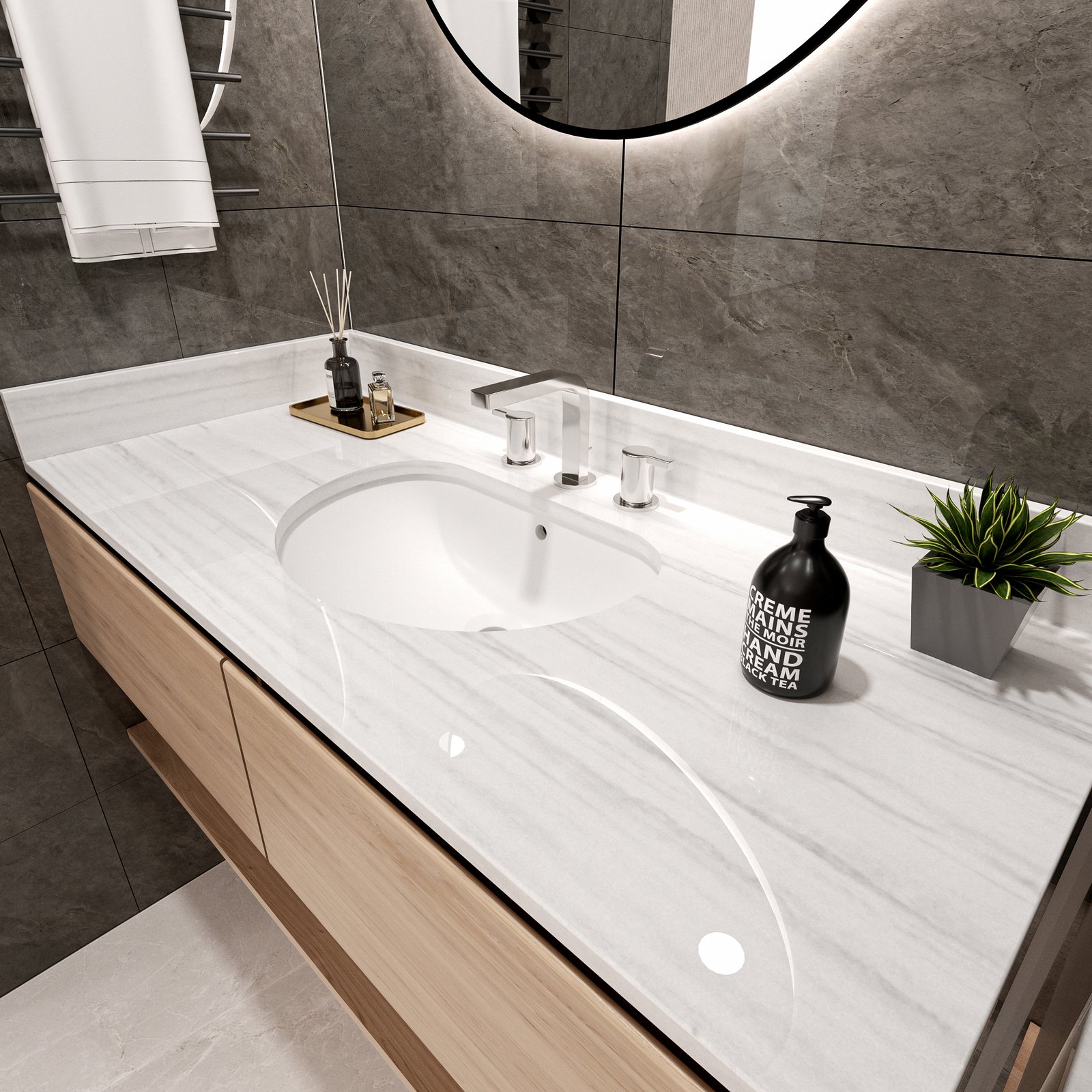
As a result of this, durability and hygiene are two of the most important factors one needs to consider when selecting a vanity countertop material.
Resistance to Stains and Chemicals
A durable vanity top should be able to resist stains from cosmetics, toothpaste, soap, and other bathroom or hygiene products. They must also be able to withstand the frequent exposure to cleaning chemicals without surface damage.
Materials with sealed or non-porous surfaces generally are the best materials for bathroom vanity tops in these environments.
Non-Porous Surfaces for Hygiene
Bathrooms that experience heavy traffic need to have non-porous countertop surfaces. This is a requirement to help to prevent moisture from penetrating the material.
When surfaces absorb water, they typically cause mold, mildew, and bacteria to grow within those surfaces.
Non-porous vanity top materials, particularly integrated sink countertops, help to reduce this risk and help maintain higher hygiene standards.
Long-Term Appearance
Another essential factor that developers ought to consider is how well a material maintains its appearance over time.
Since sink countertops in hotels are exposed to constant use and daily cleaning, sometimes multiple times a day, they must be made from high-quality materials that can resist discoloration, surface dulling, and visible wear.
Depending on the material chosen, bathrooms can continue to look clean and well-maintained for even up to fifteen years after the initial installation.
Advantages of Integrated Sink Countertops
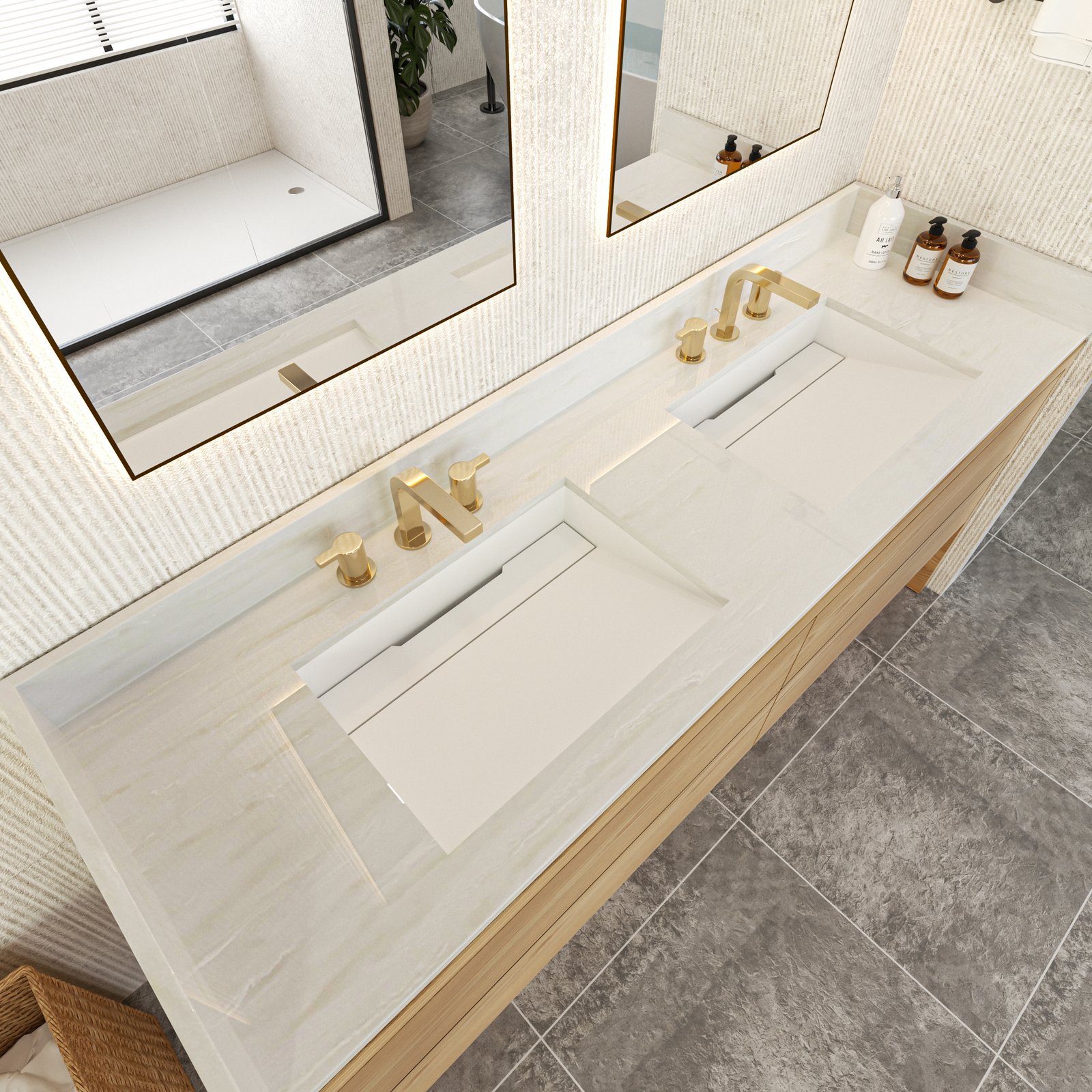
One of the most significant advantages of solid surface materials is the ability to produce integrated sink countertops. Instead of installing the sink separately, the sink and vanity top are molded together into a single continuous surface.
This design provides several practical benefits for hotel bathrooms and apartment developments.
Reduced Dirt and Bacteria Accumulation
Because integrated sinks have no seams or joints around the basin area, there are fewer spaces where dirt, soap residue, and bacteria can accumulate.
Easier Cleaning and Maintenance
Housekeeping staff can clean the entire vanity surface quickly because there are no edges or gaps between the sink and countertop.
Modern Design Appearance
Modern hospitality design trends are now following a clean and more uniform appearance. Using integrated sink countertops provides an aesthetic that aligns with modern designs.
Lower Risk of Water Leakage and Damage
Integrated sink countertops lower the risk of water leakage and damage since they do not have seams around the sink installation area.
Therefore, this design significantly helps to reduce the risk of water leakage. This helps to protect cabinets and other surrounding structures from long-term moisture damage.
Why Solid Surface Is Widely Used in Hotels
More and more hotel and apartment developers are choosing to use solid surface vanity tops in their construction project bathrooms. The growing popularity is mainly due to the many benefits like durability, hygiene, and design flexibility associated with solid surface material.
Solid surface countertops are non-porous, making them resistant to stains. Therefore, they are quite suited for environments that require frequent cleaning. In addition, they can be easily repaired on site by sanding and polishing minor scratches.
Furthermore, the material can be made into customized shapes and dimensions. This quality makes it an ideal choice for large hospitality and villa projects that need to have consistent bathroom designs across hundreds of rooms.
With these advantages, solid surface is one of the best materials for bathroom vanity tops in hotels.
Choosing a Reliable Custom Vanity Tops Factory
Selecting a reliable custom vanity tops factory is an important step in hospitality and residential development projects. Developers and project managers must ensure that their hotel bathroom countertop supplier not only meets project timelines, but can also consistently deliver high-quality products.
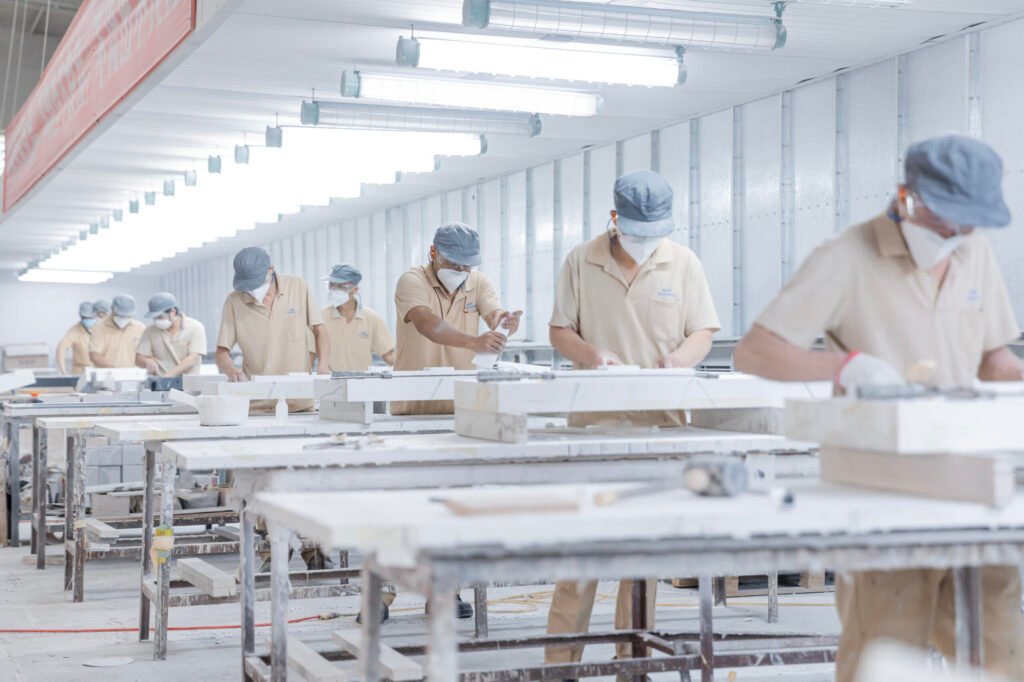
Consequently, when evaluating a vanity top supplier, several factors should be considered.
Proven Experience in Hospitality Projects
Manufacturers with hospitality experience are better able to understand the demands of hotel environments. They are more suitable for meeting your durability requirements and standardized design specifications.
Flexible Design and Customization Support
For larger projects, like hotel developments, project managers tend to require a more customized set of vanity top dimensions. They might also need integrated sink designs and unique installation configurations.
To adequately satisfy these needs, developers must choose a hotel bathroom countertop supplier with strong customization capabilities that can support these project requirements.
Reliable Production and Delivery Capacity
Given the nature of the industry, it is expected that hotel and apartment developments may require hundreds or thousands of customized vanity countertops.
A reliable custom vanity tops factory must have sufficient production capacity in order to meet these demands without delays.
Consistent Quality Across Large Projects
Consistency is essential for hospitality projects. Bathroom designs are typically repeated across many rooms, and as such, you will need reliable manufacturers who will maintain strict quality control.
So, to ensure each vanity top meets the same material and performance standards, you need a countertop supplier that is able to produce quality products consistently.
Bottom Line
Selecting the best material for bathroom vanity tops requires careful consideration of durability, hygiene, and long-term maintenance. Hotel bathrooms and apartment developments experience heavy daily use, which means vanity countertops must withstand constant exposure to moisture, cleaning chemicals, and cosmetic products.
Considering these factors, solid surface is often the preferred choice for hotel and large-scale projects due to its seamless design, repairability, and customization capability. However, quartz and ceramic also remain practical options depending on budget, design requirements, and maintenance expectations.
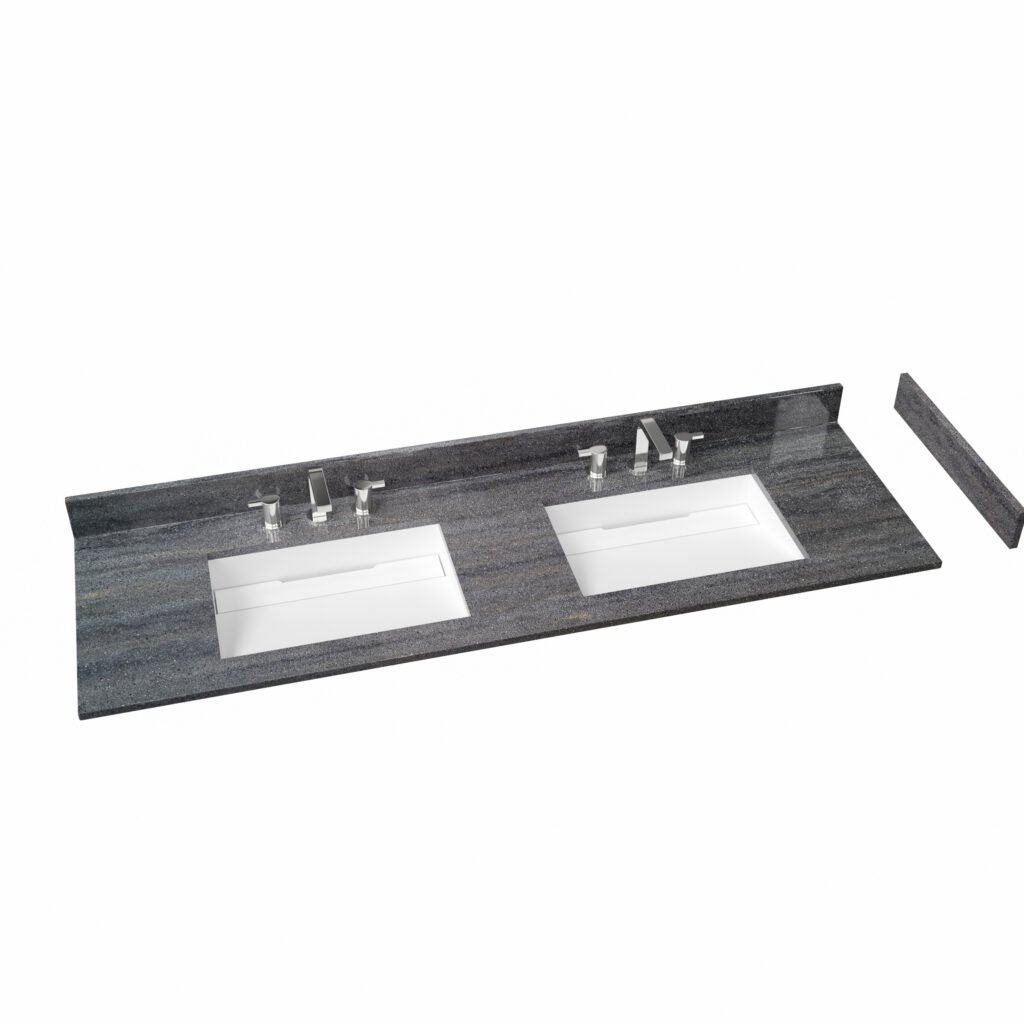
By choosing high-quality materials and working with a reliable supplier, developers can create bathroom environments that remain durable, hygienic, and visually consistent throughout the lifespan of the project.
Order your custom solid surface vanity tops and get the perfect solution for your project. Visit https://kkrbath.com/solid-surface-bathroom-countertop/ and order your custom vanity tops now!
Frequently Asked Questions
- What is the best material for bathroom vanity tops in hotels?
Solid surface materials are widely considered to be the best option for bathroom vanity tops in hotels.
The growing popularity is mainly due to the many benefits like durability, hygiene, and design flexibility associated with solid surface material.
They are non-porous, resistant to stains, and can be made into integrated sink countertops that simplify maintenance.
- Why are integrated sink countertops popular in hotels?
Integrated sink countertops eliminate joints between the sink and the vanity top. There are no seams or joints around the basin area, which means fewer spaces where dirt, soap residue, and bacteria can accumulate.
This makes cleaning easier for housekeeping staff and helps maintain higher hygiene standards.
- Are solid surface vanity tops durable for hotels?
Yes. Solid surface vanity tops are durable and resistant to stains and moisture.
They are suitable for environments that require frequent cleaning, and minor scratches can be repaired on site.
- What should developers consider when choosing vanity countertops?
When choosing vanity countertops, developers should consider durability, hygiene, maintenance requirements, and how well the material maintains its appearance over time.
It is also important to choose a reliable supplier. Look for one that can consistently deliver high-quality products for large projects.