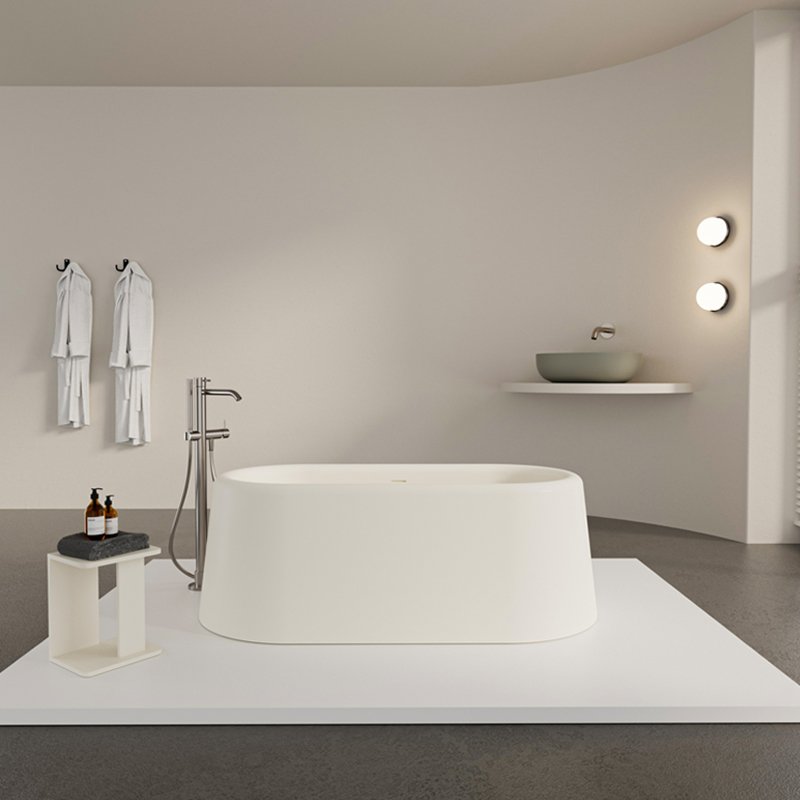
During major developments, there comes a time when project managers and developers must select the best bathtub material for hotel bathrooms. This is an essential part of the process because hotel bathtubs must be able to endure frequent use.
Furthermore, commercial bathrooms must also be able to accommodate constant cleaning and exposure to moisture, and still be able to maintain a clean and modern appearance.
In hospitality environments, every amenity contributes to the guests’ experience, and the bathtubs are no different. As such, developers must select hotel bathroom tubs that not only act as functional fixtures but also positively contribute to the overall guest experience.
In this guide, we will look at some of the most popularly chosen bathtub materials. Next, we will compare them to help you determine which material typically performs better. In addition, we will also outline the key factors that developers should consider when selecting a suitable option.
Common Bathtub Materials Used in Hotels
Within the industry, there are a few commonly used and accepted materials for making durable and aesthetically pleasing hotel bathroom bathtubs. These materials are regularly chosen based on durability, cost, and ease of maintenance.
The most common options include:
- solid surface bathtubs
- acrylic bathtubs
- fiberglass bathtubs
- cast iron bathtubs
Choosing the right option can be a hard task since each material provides different advantages. It depends on the type of development, type of hotel, and project requirements.
Solid Surface Bathtubs
Solid surface bathtubs are made from combining resins and natural mineral fillers to create a dense, non-porous material. As such, solid surface tubs tend to be highly durable and resistant to moisture and staining.
Its ability to maintain a consistent appearance over time is one of the main solid surface bathtub benefits that developers love. Adding to that, the material is resistant to discoloration, and minor scratches can be repaired on-site without the need to dismantle and transport the tub.
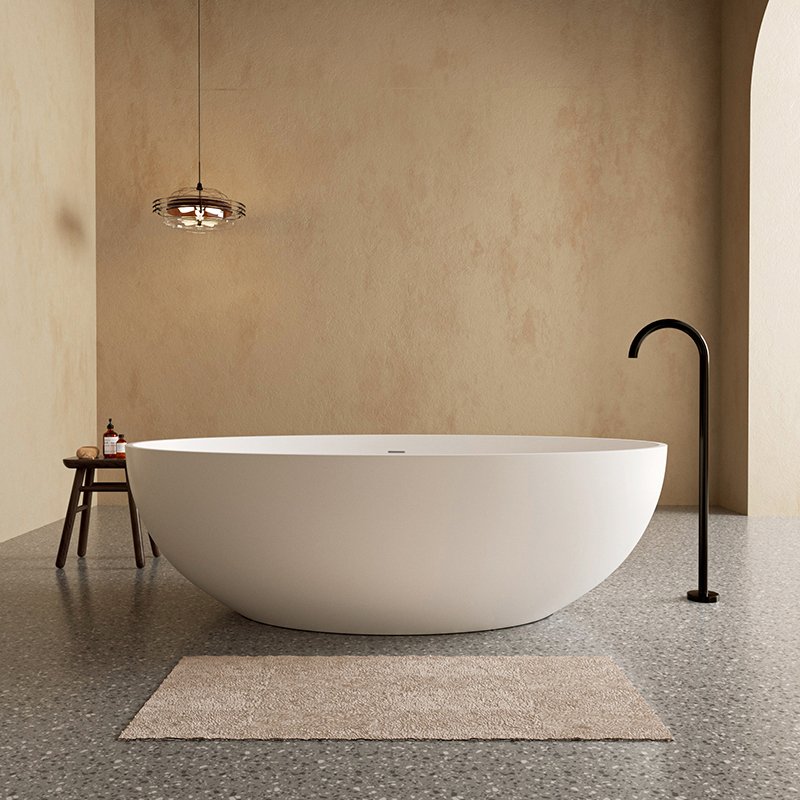
Moreover, solid surface bathtubs are also commonly used in modern hotel designs because they have such a seamless, high-end look. Their smooth finish makes them easy to clean, which is important for maintaining hygiene standards in hospitality environments.
Acrylic Bathtubs
Acrylic is another common hotel bathtub material option. Acrylic sheets are heated and then molded into acrylic tubs that are then reinforced with fiberglass. Acrylic gives developers a lightweight and cost-effective bathtub option.
Acrylic is widely used in hotel bathrooms because it is easy to install and available in many shapes and sizes. On top of that, the surface is smooth and non-porous, and that helps to resist moisture and makes cleaning easier.
However, compared to solid surface materials, acrylic hotel bathtubs are more prone to scratching, and they are more likely to show wear over time in high-traffic environments.
Fiberglass Bathtubs
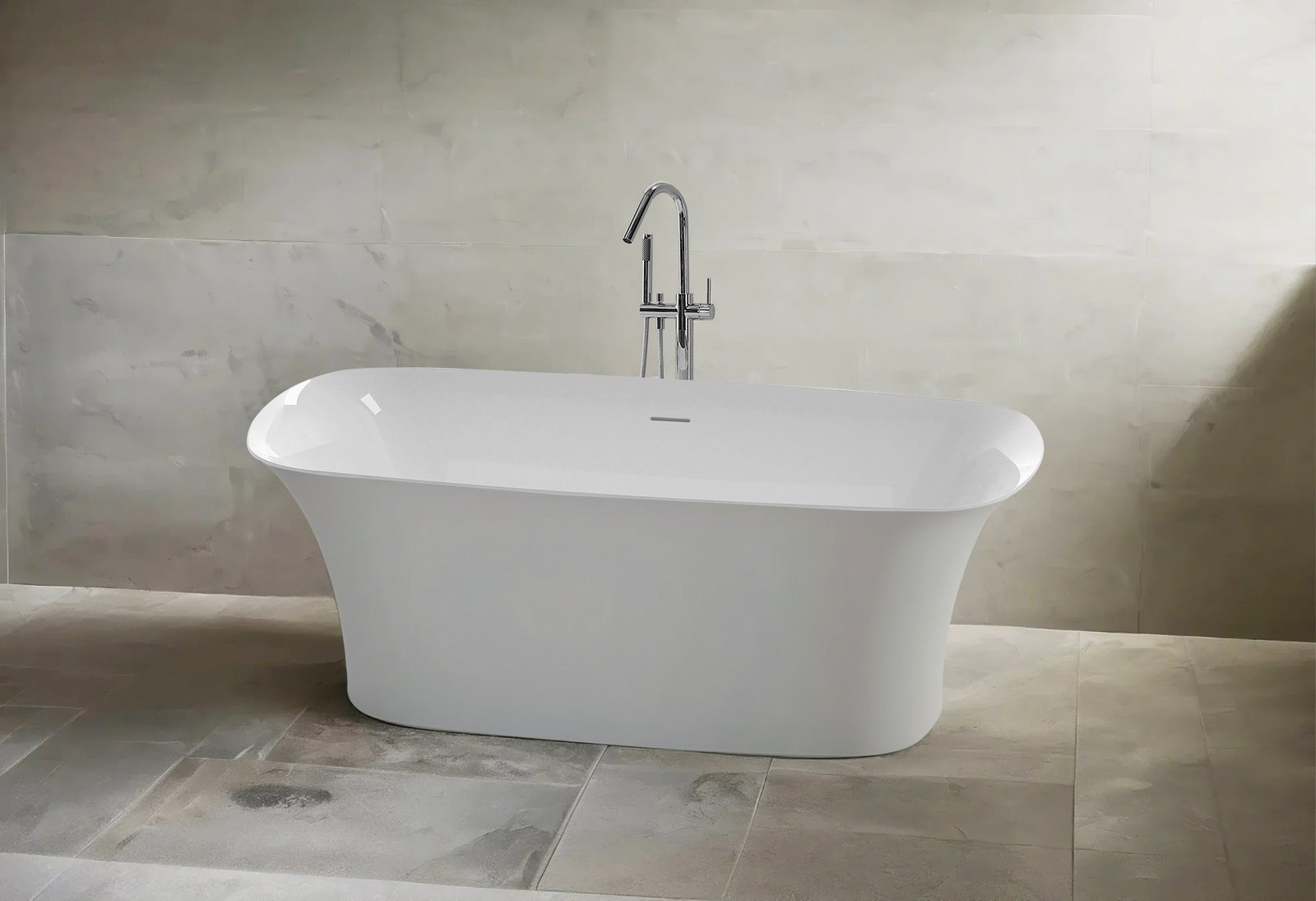
Fiberglass bathtubs are made by layering polyester resin and glass fibers into a mold. It is a lightweight and affordable bathtub option that is best for certain projects.
Although fiberglass is cost-effective, it is traditionally not as durable as the solid surface bathtub materials. Another thing to note is that the surface can wear down over time, especially in environments like hotels where bathtubs are used so frequently and cleaned regularly with strong chemicals.
It is best to use fiberglass bathtubs in budget accommodations rather than high-end hospitality projects.
Cast Iron Bathtubs
Cast iron bathtubs are made by pouring molten iron into molds, which are then coated with enamel, creating a very strong and durable bathtub.
These iron bathtubs are highly scratch-resistant and can hold heat well for warm baths. However, they are very heavy and as such, need more structural support during installation than the other types of hotel tubs.
Of note, due to their weight and higher cost, cast iron bathtubs are not as commonly used in large hotel projects as solid surface tubs. But you may find them in luxury or boutique properties.
Acrylic vs Solid Surface Bathtub: Durability Comparison
When comparing acrylic vs solid surface bathtub options, durability is one of the most important factors for hotel environments.
| Feature | Acrylic Bathtub | Solid Surface Bathtub |
| Impact Resistance | Moderate | High |
| Scratch Resistance | Can scratch easily | More resistant and easily repairable |
| Repairability | Limited | Easily repaired |
| Weight | Lightweight | Moderate weight |
| Lifespan | 8–12 years | 12–15+ years |
Based on studies conducted, solid surface bathtubs offer better long-term durability and are more suitable for hotels that require long-lasting fixtures.
Research indicates that solid surface shows “no significant change” in color or texture after 200 hours of testing, whereas standard acrylic is more prone to yellowing over time.
Initially, acrylic bathtubs can provide a more affordable option; however, they may require replacement much earlier than a solid surface tub.
Maintenance Considerations for Hotel Bathtubs
Hotel bathtubs experience frequent guest use plus daily housekeeping routines. Therefore, they must be easy to clean and maintain.
Ease of Cleaning
The best bathtub materials are those that allow for quick and effective cleaning. Smooth, non-porous materials like solid surface can help to prevent dirt and soap residue from building up.
Resistance to Chemicals
Cleaning products used in hotels can be strong. Materials must be able to withstand repeated exposure without damage.
Long-Term Appearance
Bathtubs should maintain their finish and color over time, even with constant use. In hospitality settings, it is best to select materials that are better able to resist discoloration and wear.
Design Trends in Hotel Bathtubs
Modern hotel bathrooms focus on both functionality and aesthetics, and the design of the bathtub will certainly play an important role in shaping the guest experience.
Freestanding Bathtubs
Freestanding bathtubs are usually found in luxury hotels. They are installed in premium settings because they create a focal point and enhance the visual appeal of the bathroom.
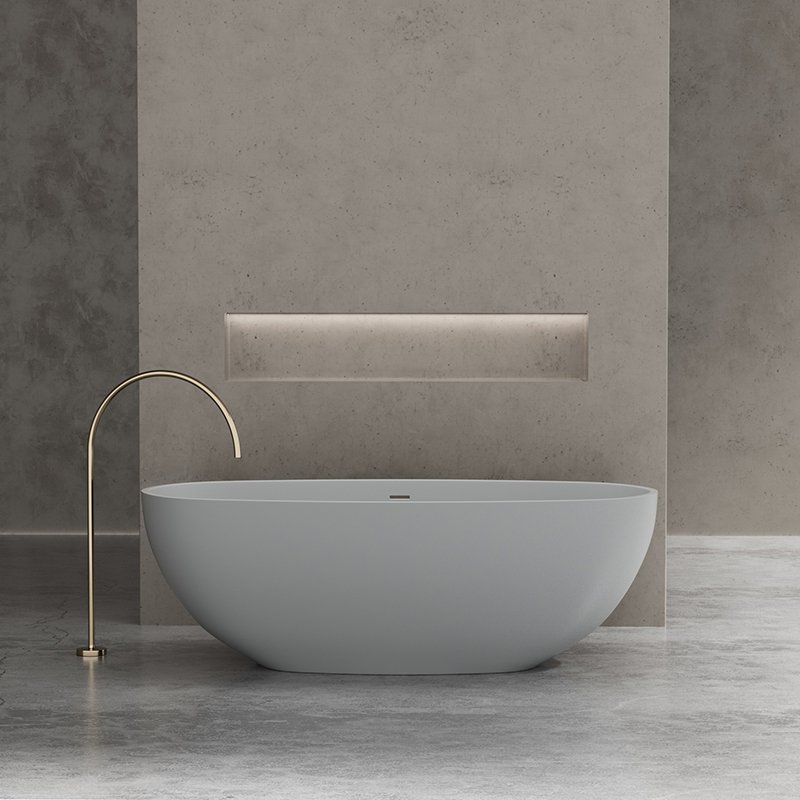
Typically, these are installed in premium suites where design plays a key role in the overall experience of the guests. Freestanding bathtubs are quite versatile and, therefore, can be placed strategically within the hotel bathroom to give it a more open and spacious layout. In addition, they give you the option of variety.
Freestanding tubs can be made into various shapes and finishes, which will allow developers to match different interior design concepts.
Seamless and Minimalist Designs
Hotels are moving toward clean and seamless designs. They now prefer a modern look that comes from using tubs that reduce visible joints.
This design approach also helps improve hygiene as it minimizes access to areas where dirt and residue can accumulate. Installing seamless surfaces will make cleaning more efficient. This is very important for high-traffic environments.
As a result, minimalist bathroom designs are becoming a standard feature in modern hotel developments.
Integrated Bathroom Concepts
Bathtubs are often designed to complement other bathroom elements such as vanity tops and wall panels, creating a cohesive design throughout the space.
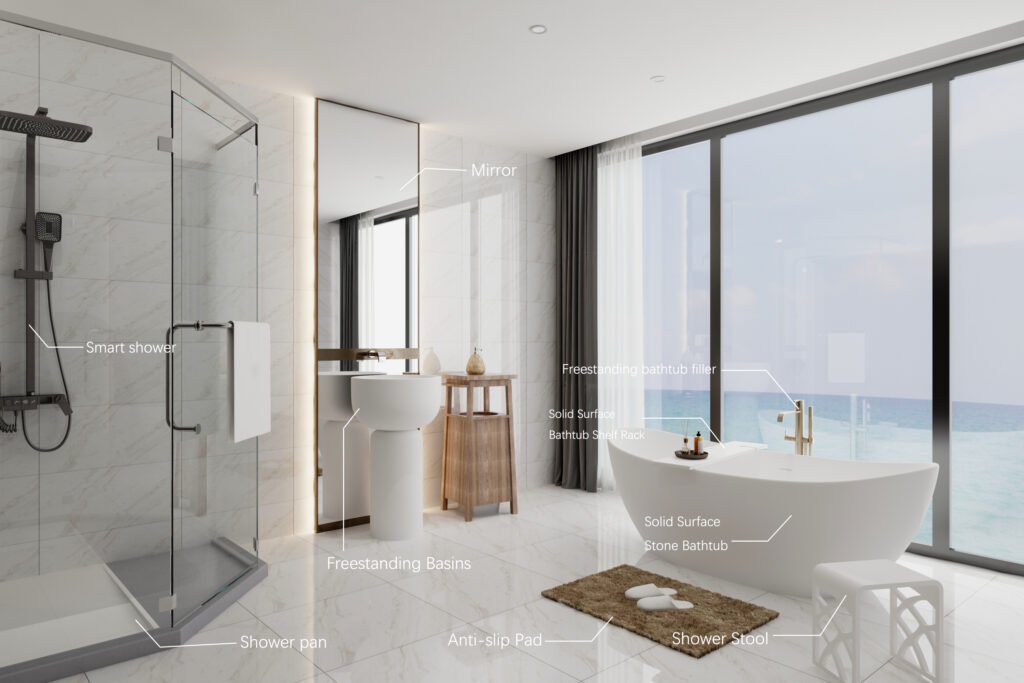
This approach ensures consistency in both materials and finishes across the entire bathroom. Developers often choose matching materials to maintain a unified appearance and simplify maintenance.
Integrated bathroom concepts also support large-scale projects where design consistency must be maintained across multiple rooms.
Manufacturer Insight: What Works in Real Hotel Projects
In real hospitality projects, bathtub selection is not only about material performance, but also about long-term consistency, maintenance efficiency, and scalability.
Based on experience from large-scale hotel developments, project teams tend to prioritize materials that can maintain a uniform appearance across hundreds of rooms while reducing maintenance complexity over time. In this context, solid surface bathtubs are often preferred because of their seamless structure, repairability, and stable material composition.
From luxury resorts to business hotels, one common requirement is minimizing downtime caused by maintenance or replacement. Materials that allow on-site repair and surface restoration can significantly reduce operational disruption.
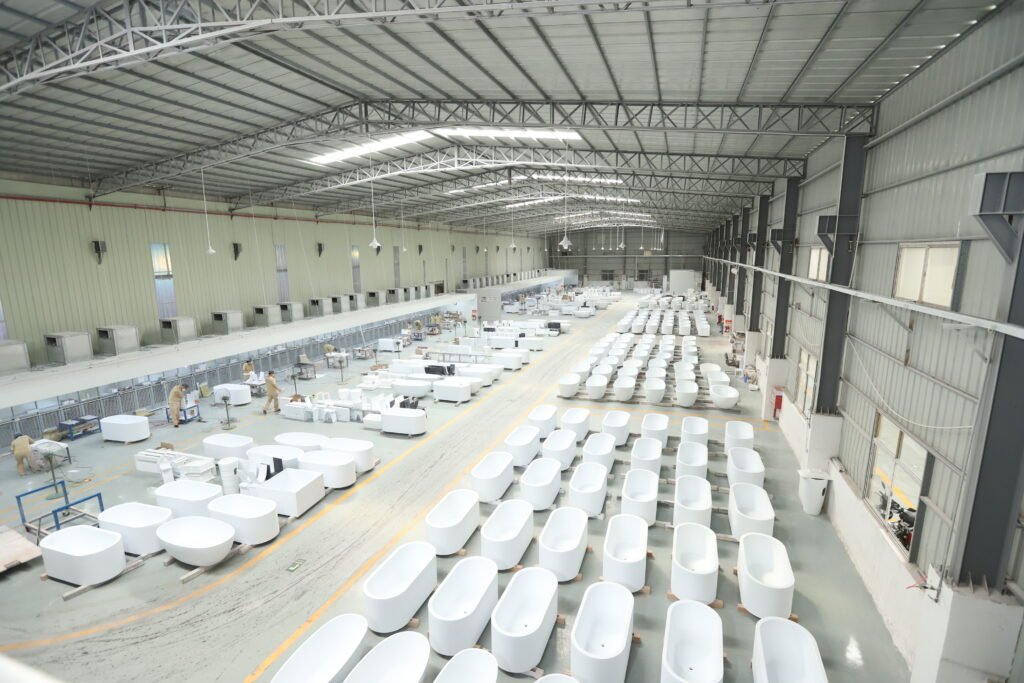
Manufacturers with proven experience in hospitality projects, such as KingKonree (KKR), understand these requirements at an engineering level. With over 400 completed hotel projects globally, KKR has developed solutions that support:
- Consistent product quality across large-volume orders
- Custom fabrication for non-standard bathroom layouts
- Integrated designs that improve hygiene and simplify cleaning
- Reliable production timelines for large-scale developments
These factors play a critical role in ensuring that the selected bathtub material performs not only at installation, but throughout the entire lifecycle of the project.
Choosing a Reliable Hotel Bathtub Supplier
Selecting the right hotel bathtub supplier is essential for ensuring that you provide your clients with high-quality product and also to help guarantee the success of your project.
Experience in Hospitality Projects
The suppliers that have experience in hotel developments are more likely to understand the specific requirements of durability, design consistency, and installation.
Custom Manufacturing Capabilities
Many projects require customized bathtub sizes or designs. A good hotel bathtub supplier should be able to accommodate these needs.
Production Capacity
Large hotel developments require reliable production and delivery schedules. Commercial tub suppliers must be able to meet these demands.
Consistent Quality Standards
Consistency is important when supplying bathtubs to resorts and hotels for multiple rooms. Quality control ensures that all products meet the same standards.
Bottom Line
For hotel and large-scale hospitality projects, selecting a material is not only about durability, but also long-term maintenance, design consistency, and supplier reliability.
Solid surface bathtubs are increasingly preferred because they offer a balance of durability, seamless design, and repairability. However, the final choice should always align with project positioning, budget, and operational requirements.
While you consider the options, bear in mind that hotel bathtubs must endure heavy use daily and still be able to maintain hygiene and its appearance over time.
Among the available options, solid surface bathtubs are widely preferred for hospitality environments.
Acrylic bathtubs provide a cost-effective alternative, while other materials may be suitable for specific project types.
By selecting the right material and working with a reliable supplier, you can ensure long-lasting and high-quality bathroom solutions for your projects and customer satisfaction.
Frequently Asked Questions
- What is the best bathtub material for hotel bathrooms?
Choosing the best bathtub material for hotel bathrooms requires careful consideration of durability, maintenance, and design.
Among the available options, solid surface bathtubs are widely preferred for hospitality environments because they are highly durable, resistant to moisture and staining, and able to maintain a consistent appearance over time.
- What are the benefits of solid surface bathtubs?
Solid surface bathtubs are made from combining resins and natural mineral fillers to create a dense, non-porous material.
As such, they tend to be highly durable and resistant to moisture and staining. The material is also resistant to discoloration, and minor scratches can be repaired on site without the need to dismantle and transport the tub.
- Is acrylic or solid surface better for hotels?
When comparing acrylic vs solid surface bathtub options, durability is one of the most important factors for hotel environments.
Solid surface bathtubs offer better long-term durability and are more suitable for hotels that require long-lasting fixtures, while acrylic bathtubs can provide a more affordable option but are more prone to scratching and may show wear over time in high-traffic environments.
- What should developers consider when choosing hotel bathtubs?
Developers must select hotel bathroom tubs that not only act as functional fixtures but also positively contribute to the overall guest experience.
It is important to consider durability, maintenance, and design, as hotel bathtubs must be able to endure frequent use, constant cleaning, and exposure to moisture while maintaining a clean and modern appearance.