One major part of hotel design success is being able to choose the best basin for hotel bathrooms. It is an essential part of the journey as it will directly affect the satisfaction rate of guests and hotel expenditure relating to maintenance, and replacement.
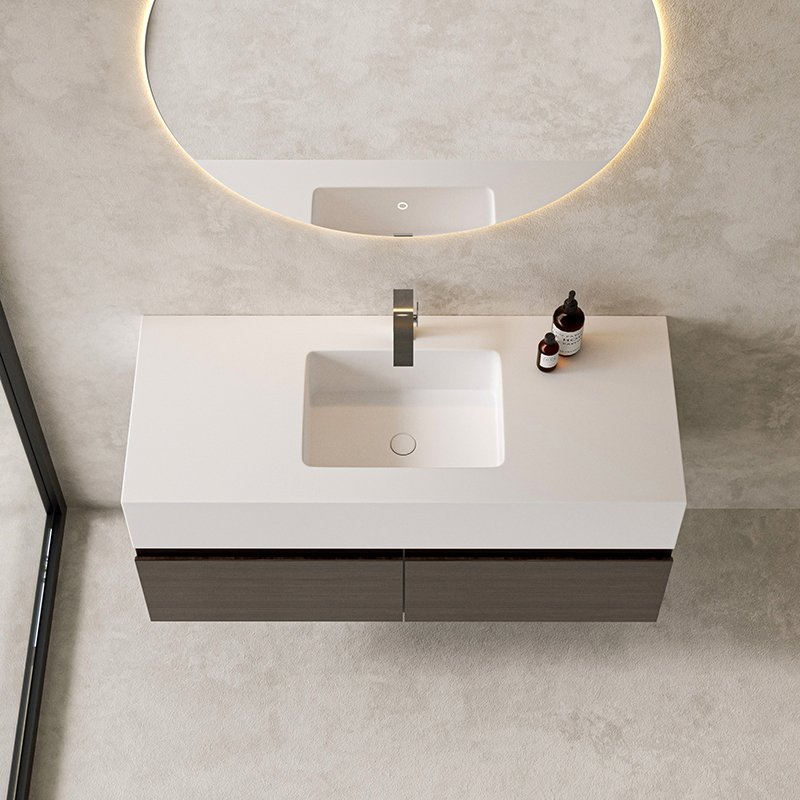
At Kingkonree International, we understand the significance of this decision. As such, we have created this guide to help you compare the two most commonly sought-after hotel bathroom basins: solid surface basin vs ceramic basin.
In this article, we will explore material durability, hygiene standards, ease of maintenance, and long-term appearance.
Common Basin Materials Used in Hotel Bathrooms
In hospitality projects for hotels, resorts, and high-end public restrooms, ceramic and solid surface composites are the most widely used commercial bathroom basins.
Ceramic basins and solid surface basins are the top choices amongst developers because of their durability, hygiene, and aesthetic adaptability. They are designed to handle the type of high-frequency daily use that comes with commercial properties.
Ceramic Basins
Material Composition of Ceramic Basins
Ceramic is one of the most common basin materials used in hotel bathroom basins. Most ceramic hotel bathroom wash basins are made from a blend of raw materials. These materials include clay, silica, and feldspar.
Manufacturing Process of Ceramic Basins
To create high-quality ceramic basins, clay and other mineral materials are fired at very high temperatures, creating a liquid “slip,” that is then poured into plaster molds.
These molds are left to dry, after which a protective glaze is applied, and the basin is again fired in a high-temperature kiln of over 1200°C.
Surface Finish and Hygiene
The surface of ceramic basins is coated with a glazed layer to create a smooth, glossy finish, and it is this glaze that helps the basin resist water and chemical absorption, stains, and discoloration, making it a highly durable and hygienic option.
Use in Hotel Bathrooms
Ceramic has been used in hotel bathroom basins for decades, as they are often chosen for the clean, uniform, and familiar look that guests recognize. In addition, they work well with many bathroom styles, both budget hotels and upscale properties.
Ceramic is commonly installed in:
- pedestal sinks
- wall-mounted sinks
- countertop basins
- undermount sinks in vanity units.
Performance in High-Traffic Bathrooms
Ceramic basins go beyond “cost-effective,” and this is another reason they are often hailed as one of the best basins for hotel bathrooms.
In commercial spaces, the usage of restrooms is incredibly high; therefore, these spaces require bathroom fixtures that offer strong resistance to wear and tear that will cause scratches, and also must be able to withstand the use of cleaning chemicals.
Furthermore, the smooth glazed surface of ceramic bathroom basins makes cleaning easier and gives each piece of fixture the ability to maintain its color and shine over time. Bathroom sinks made from ceramic materials will provide resorts and hotels with products that have a long lifecycle and are durable.
Why Hotels Still Choose Ceramic
However, developers, managers, and contractors continue to opt for ceramic bathroom sinks because they offer the best balance of durability and cost-effectiveness.
They are also the best option for low-maintenance, hygienic properties for commercial projects. Ceramic bathroom basins have a great reputation as being a reliable, non-porous, budget-friendly option.
Solid Surface Basins
Material Composition of Solid Surface Basins
Solid surface basins are made from a mixture of acrylic or polyester resins and natural mineral powders. The minerals included in the manufacturing process often include aluminum hydroxide or stone-derived fillers.
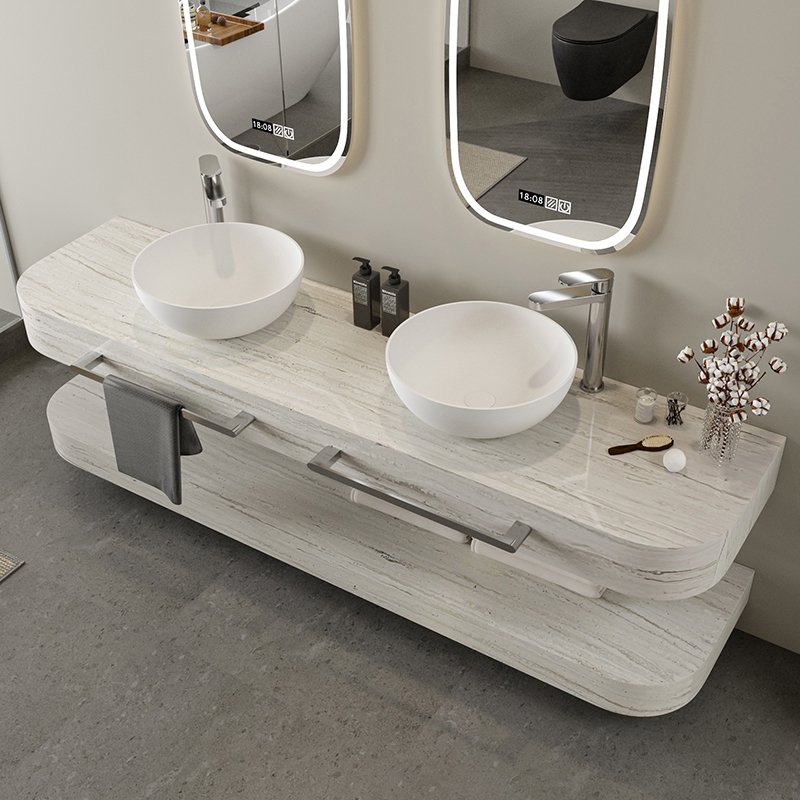
Manufacturers combine these materials to create a dense, non-porous composite surface that makes some of the best basins for hotel bathrooms. As such, solid surface basins have seen an increase in popularity in modern hotels.
Manufacturing Process of Solid Surface Basins
To create solid surface basins, manufacturers mix raw resins, pigments, and filler particles. Next, casting and molding are done. They then use a vacuum process to remove air bubbles and later cure the molds by heating.
Solid surface basin material can be thermoformed, which allows manufacturers to create integrated basin designs.
Integrated Design
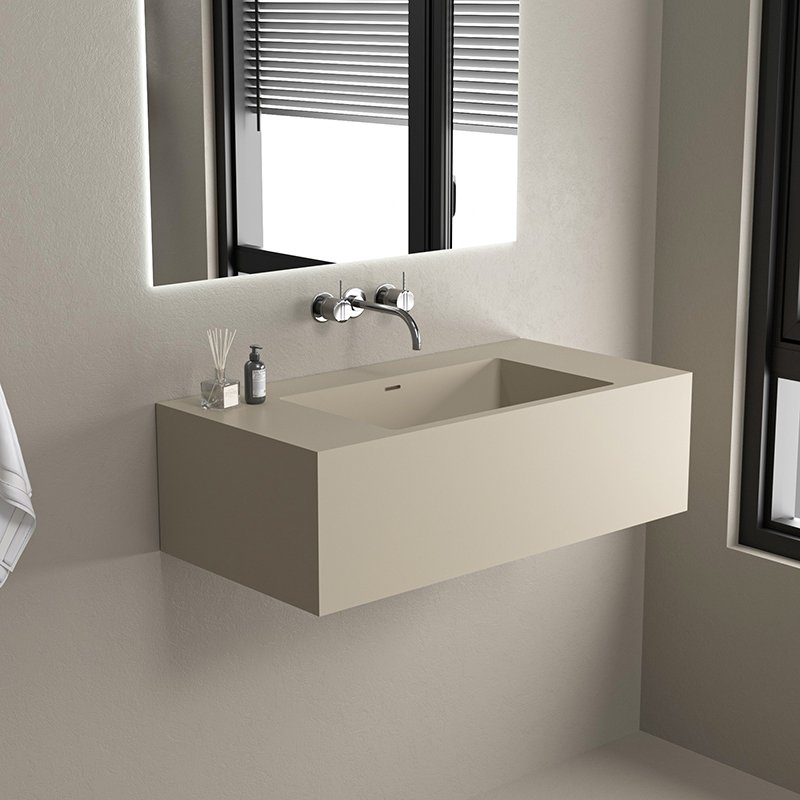
One of the biggest advantages of solid surface basins is that they facilitate seamless basin and countertop integration, custom shapes and dimensions, and very minimal visible joints.
This is why they are often installed as:
- integrated vanity tops
- molded countertop basins
- wall-mounted integrated basins.
These designs simplify cleaning and create a modern aesthetic, which is ideal for hotel and other commercial bathroom sink designs.
Why Hotels Are Using Solid Surface Basins
More and more resorts and hotels are choosing to use solid surface basins because of their high durability, hygiene, and design versatility. All of these features help to reduce long-term operational costs.
.jpg)
These solid surface sinks are non-porous, seamless, and stain-resistant.
In addition to offering a very modern, minimalist, and beautiful look, they are easy to clean, and minor damage can be repaired on-site by sanding or polishing. Solid surface basins are also resistant to scratches and impacts, which greatly extends their lifespan.
Furthermore, the non-porous and seamless design of the solid surfaces prevents the storage and growth of moisture, mold, and bacteria, making them easy to maintain and very hygienic.
Solid Surface Basin vs Ceramic Basin: Durability Comparison
When it comes to the best basin for hotel bathrooms, solid surface and ceramic basins have long been at the top of the list, and for good reason.
They both offer so many highly desired benefits, making them reliable hotel bathroom basin options for mass production and durable enough to handle high guest turnover, which often affects material performance.
By nature, hotel bathrooms must handle constant cleaning, luggage impacts, and heavy daily usage. With these demands, hospitality project requirements stipulate that bathroom fixtures must maintain durability, easy cleaning, and long-term aesthetic stability.
| Feature | Ceramic Basin | Solid Surface Basin |
| Impact Resistance | Hard but brittle; can chip | More flexible; absorbs impact |
| Scratch Resistance | Very resistant due to glaze | Minor scratches possible but repairable |
| Repairability | Difficult to repair | Easily sanded or refinished |
| Heat Resistance | Excellent | Moderate |
| Installation | Separate basin installation | Integrated seamless installation |
| Cost | Lower upfront cost | Higher upfront but repairable |
| Lifespan | 10–12 years typical | 12–15+ years typical |
Impact Resistance
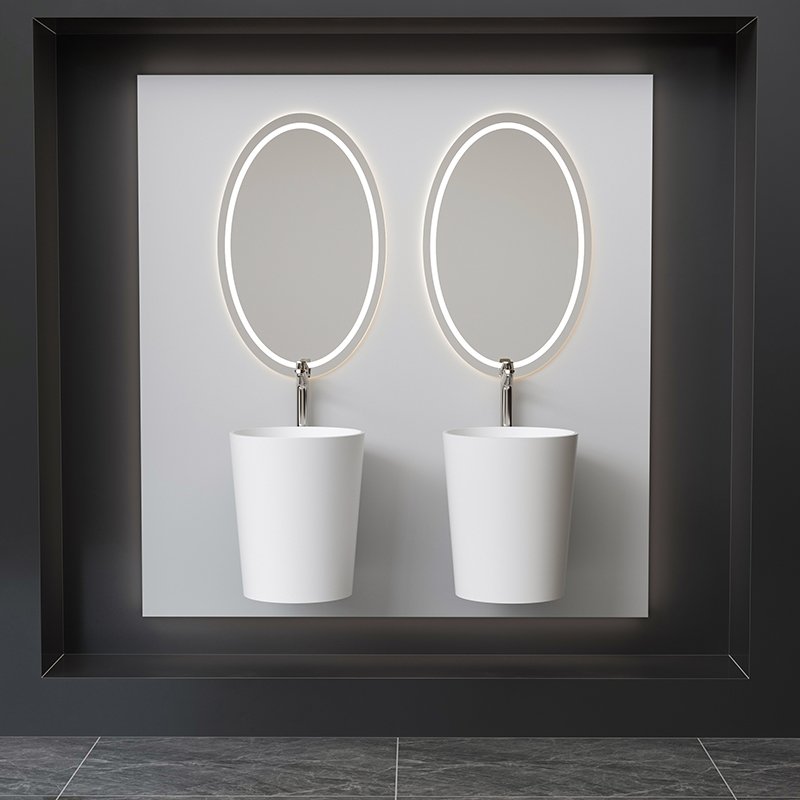
- Ceramic basins are hard but brittle. They are prone to chipping or cracking, especially if heavy objects are dropped.
- Solid surface basins have a high impact resistance, are slightly flexible, and are more resistant to cracking. It absorbs impact much better than ceramic and is less likely to chip or shatter.
Scratch Resistance
- Ceramic basins are glazed, making them very resistant to scratches from daily use.
- Solid surface basins can get minor scratches from jewelry or abrasive cleaners. However, these scratches can often be repaired or polished.
Surface Hardness
- Ceramic basins are very rigid and hard.
- Solid surface basins are moderately hard but softer than ceramic.
Repairability
- Ceramic basins have poor repairability; therefore, chips or cracks are usually permanent and often require replacement.
- Solid surface basins have excellent repairability. Scratches or chips can be sanded and buffed out.
Heat Resistance
- Ceramic basins are exceptional at withstanding high temperatures without damage.
- Solid surface basins can withstand a moderate amount of heat but can be damaged by excessive heat.
Cost
- Ceramic basins are typically more affordable and offer immediate savings, but might cost more later when repairs are not possible, and replacement is required.
- Solid surface basins cost more initially; however, they may offer a better ROI for luxury hotels because their ability to be refinished prevents the high replacement costs.
Average Lifespan in High-Traffic Bathrooms
- Ceramic basins typically last 10–12 years in high-traffic hotel bathrooms.
- Solid surface basins often last 12–15 years or longer because minor damage can be repaired.
Hygiene and Maintenance Requirements in Hospitality Bathrooms
Hygiene in hotel bathroom sinks is a major concern because these areas are statistically some of the most contaminated surfaces in a guest’s room. In fact, commercial bathroom basins often harbor significantly more bacteria than toilet seats.
This is due to hospitality bathroom sinks being a combination of high-frequency touch, constant moisture, and proximity to other germ sources.
Therefore, hospitality bathroom sanitaryware that promotes good hygiene is highly desirable and is the primary choice of contractors. The best basin for hotel bathrooms must offer ease of cleaning, a non-porous surface, and long-term appearance for hygiene and maintenance reasons.
Ease of Cleaning
Hotel bathroom sinks should be made from materials that can be easily cleaned and can withstand frequent and thorough cleaning, often using strong disinfectants and cleaning chemicals.
Because of this, hotel bathroom basins must be able to resist staining, tolerate chemical exposure, and maintain their structural integrity over time.
In addition, materials used in hotel sinks should also prevent the buildup of bacteria and grime, ensuring that surfaces remain hygienic and safe for guests.
Non-Porous Surfaces
Non-porous surfaces are an important feature in hotel bathroom design. A good hotel wash basins manufacturer uses materials that do not absorb water.
Using non-porous material will help prevent the growth of mold, mildew, and bacteria.
Solid surface and ceramic materials are known for their non-porous structure, which reduces the ability of moisture and contaminants to penetrate the material. Consequently, these surfaces are easier to clean and help maintain higher hygiene standards in commercial hospitality environments.
Long-Term Appearance
Hotel developers should also prioritize materials that maintain their appearance over time.
Bathroom sinks in hotels are exposed to constant use, daily cleaning, cosmetic products, and water splashes. High-quality basin materials should be able to resist discoloration, staining, and dulling of the surface.
A durable finish helps sinks retain their original color and texture even after years of use, allowing hotels to maintain a clean and professional bathroom appearance for guests.
Why Seamless Basins Are Popular in Modern Hotels
Unlike traditional sinks that are installed separately from the countertop, integrated basins are molded together with the vanity surface to form a single continuous piece.
Modern hotel bathrooms are increasingly using integrated vanity basins as part of a seamless design approach. This design eliminates visible joints and creates a clean, uniform appearance that fits well with contemporary hotel interiors.
Benefits of Seamless Basin Designs
- Because there are no joints or gaps around the sink area, there are fewer places for dirt, soap residue, and bacteria to accumulate.
- Seamless basins also simplify daily maintenance. Housekeeping teams can clean the entire vanity surface quickly without needing to scrub around sink edges or seams.
- Many hotel developers prefer seamless basin designs because they create a sleek and uncluttered look that aligns with contemporary hospitality design trends.
- Another advantage is the reduced risk of water leakage. This helps protect cabinetry and surrounding materials from moisture damage over time.
Integrated or customized basin designs are often used in large hotel developments where non-standard sizes and engineering customization are required.
Choosing a Reliable Hotel Wash Basin Supplier
What Hotel Developers Should Look For
Selecting the right wash basin supplier is an important step for hotel developers and project managers, especially because all bathroom fixtures in hospitality environments must meet strict requirements for durability, hygiene, and design consistency.
Therefore, when evaluating a hotel wash basin supplier, developers should look for several key factors:
- Suppliers with experience in hospitality projects– they understand the specific demands of hotel environments.
- Custom manufacturing capability- many hotel bathroom designs require customized basin sizes, integrated vanity units, or unique installation configurations.
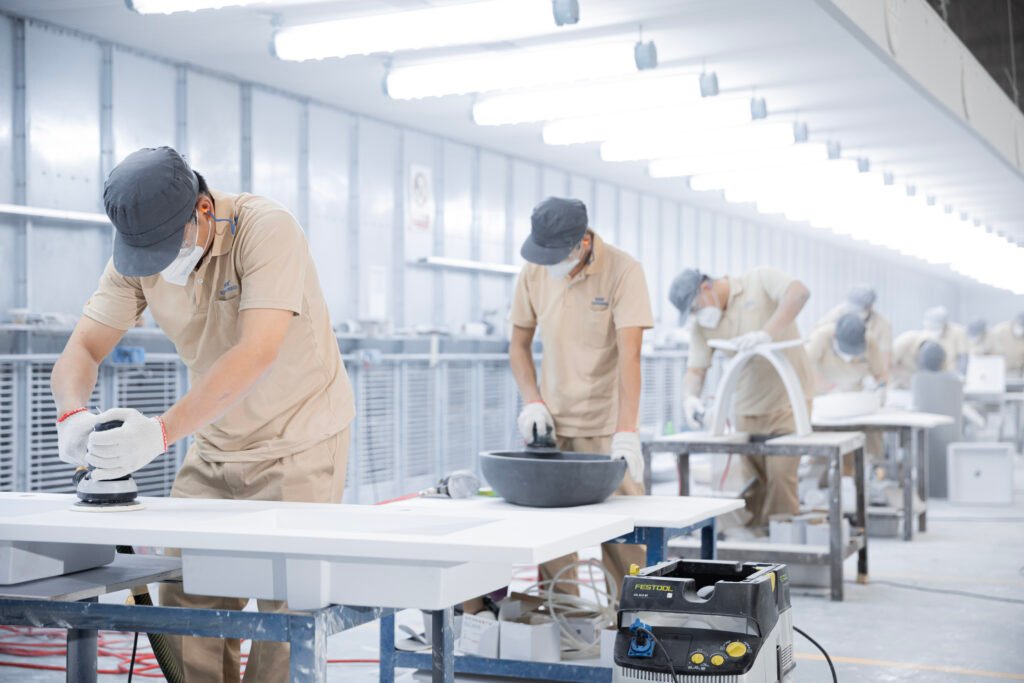
- Stable production capacity- suppliers must have stable production capacity to meet the demands of hundreds or even thousands of bathroom fixtures while maintaining delivery timelines.
- Consistency- is critical in hospitality projects, especially when bathrooms are repeated across many guest rooms.
Bottom Line
Selecting the best basin for hotel bathrooms requires careful consideration of durability, hygiene, and long-term maintenance since commercial bathrooms experience heavy daily use.
As a result, they must be made with materials that can withstand frequent cleaning, resist stains, and maintain their appearance over time.
Considering these requirements, ceramic and solid surface remain the most widely used options for hotel bathroom basins because they offer a reliable balance of performance, cost efficiency, and design flexibility.
By choosing the right basin material and a dependable manufacturer, hotel projects can achieve durable, hygienic, and visually consistent bathroom environments.
Those achievements allow them to meet the expectations of modern hospitality standards, promote guests’ comfort, and reduce overall expenses for the hotel.
Frequently Asked Questions
- What is the best basin for hotel bathrooms?
Selecting the best basin for hotel bathrooms requires careful consideration of durability, hygiene, and long-term maintenance since commercial bathrooms experience heavy daily use.
Considering these requirements, solid surface basins remain the most widely used option because they offer a reliable balance of performance, cost efficiency, and design flexibility.
- What are the most common basin materials used in hotels?
In hospitality projects for hotels, resorts, and high-end public restrooms, ceramic and solid surface composites are the most widely used commercial bathroom sink materials.
Ceramic basins and solid surface basins are the top choices amongst developers because of their durability, hygiene, and aesthetic adaptability.
They are designed to handle the type of high-frequency daily use that comes with commercial properties.
- Which basin material is more durable: ceramic or solid surface?
Ceramic basins are hard but brittle and are prone to chipping or cracking, especially if heavy objects are dropped.
Solid surface basins have a high impact resistance, are slightly flexible, and are more resistant to cracking. Solid surface basins absorb impact much better than ceramic and are less likely to chip or shatter.
- Why do modern hotels prefer seamless basin designs?
Modern hotel bathrooms are increasingly using integrated vanity basins as part of a seamless design approach.
This design eliminates visible joints and creates a clean, uniform appearance that fits well with contemporary hotel interiors.
Because there are no joints or gaps around the sink area, there are fewer places for dirt, soap residue, and bacteria to accumulate.
- How long do hotel bathroom basins typically last?
Ceramic basins can last for 10–12 years in high-traffic hotel bathrooms. Solid surface basins can last for 12–15+ years and may offer a better return on investment because minor damage can often be repaired by sanding or polishing.