Your bathroom cabinet does more than store essentials—it sets the tone for the entire bathroom’s style, functionality, and durability. Yet, one of the biggest mistakes buyers make is choosing a cabinet based solely on appearance without considering the material behind it.
Different materials behave differently in humid environments. Some warp, swell, or discolor over time, while others remain strong and flawless for decades.
Let’s break down the most common bathroom cabinet materials, their pros and cons, and find out which one truly lasts the longest.
1. MDF (Medium Density Fiberboard)
Overview:
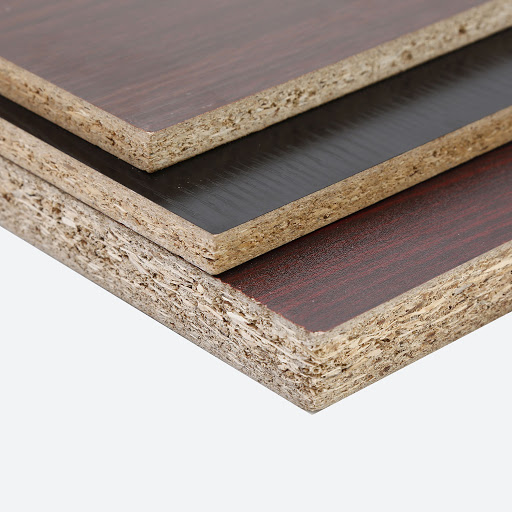
MDF is made by compressing wood fibers and resin. It’s popular for budget-friendly cabinets and smooth painted finishes.
Advantages:
- Smooth, consistent surface ideal for painting.
- Affordable and easy to customize.
Drawbacks:
- Highly vulnerable to moisture and humidity.
- It can swell, crack, or peel if not sealed properly.
- Short lifespan in high-moisture bathrooms.
Best for:
Guest bathrooms or low-humidity areas.
2. Plywood
Overview:
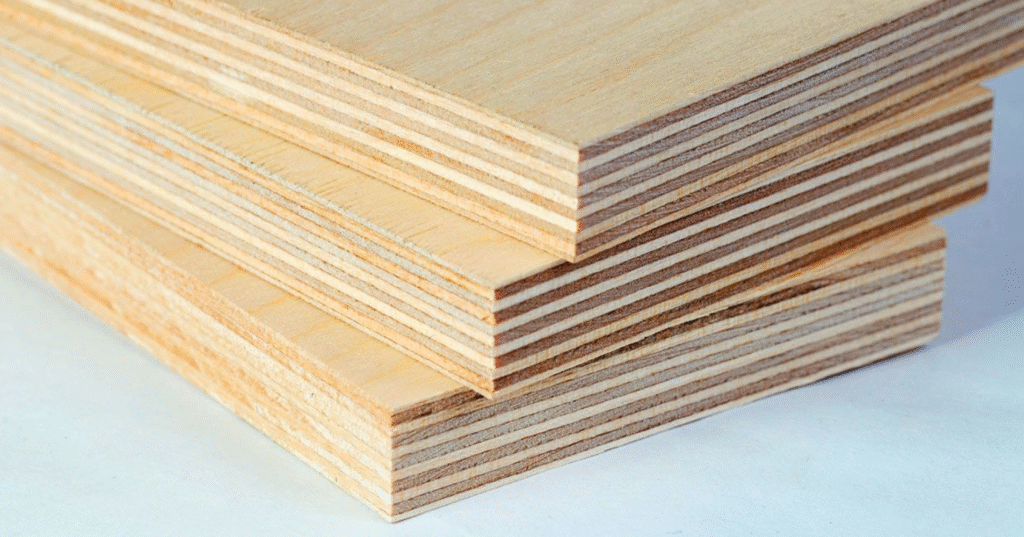
Made from multiple layers of wood veneer glued together, plywood offers better moisture resistance than MDF.
Advantages:
- Stronger and more water-resistant than particle board.
- Can handle moderate humidity.
- Good structural stability for wall-mounted cabinets.
Drawbacks:
- Still prone to edge swelling over time.
- Quality depends on the grade—low-grade plywood often delaminates.
- Surface veneer can peel in prolonged dampness.
Best for:
Mid-range bathrooms with moderate moisture exposure.
3. Solid Wood
Overview:
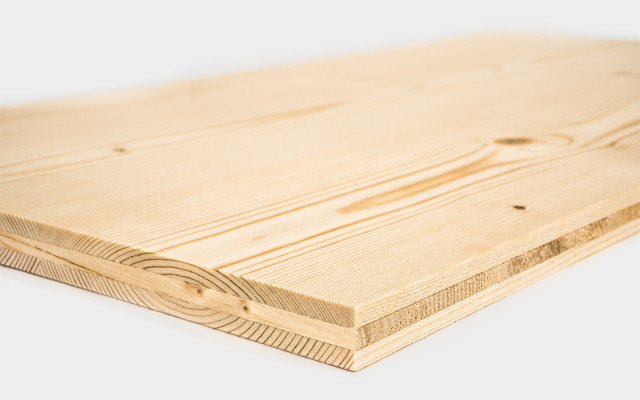
Natural wood like oak, walnut, or maple adds warmth and luxury. However, it requires maintenance to prevent moisture damage.
Advantages:
- Beautiful natural appearance.
- Can be sanded, refinished, and repaired.
Drawbacks:
- Expands and contracts with humidity changes.
- Needs sealing and regular care.
- Susceptible to warping or cracking in humid environments.
Best for:
Luxury bathrooms with good ventilation and controlled humidity.
4. PVC (Polyvinyl Chloride)
Overview:
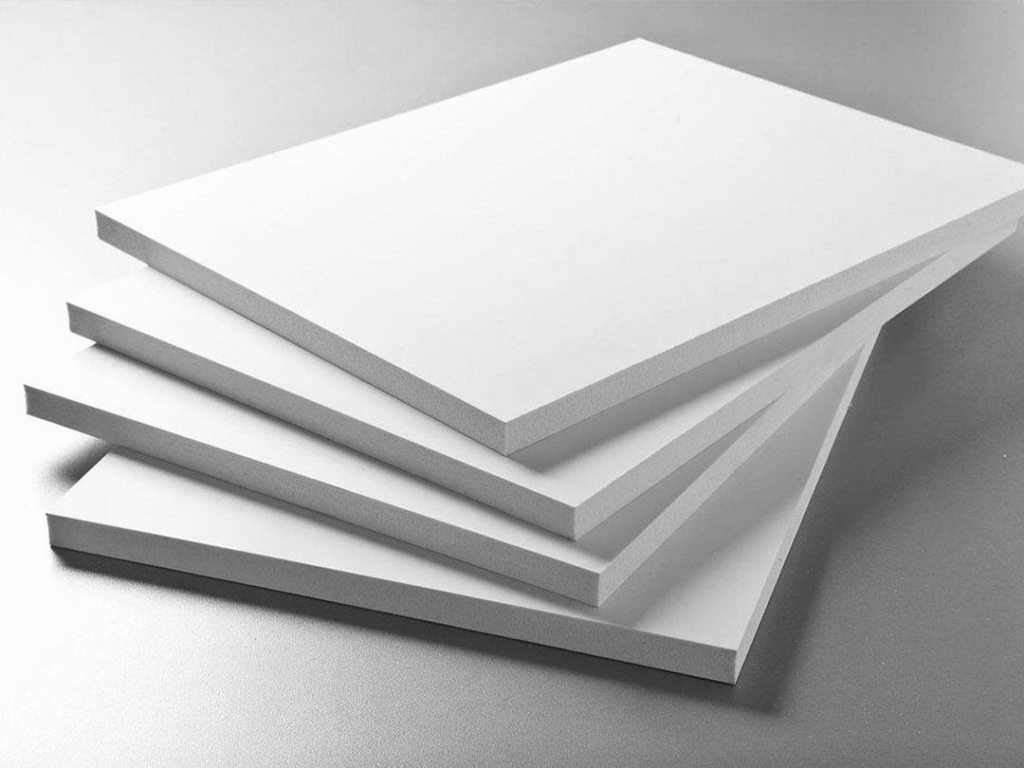
A waterproof, lightweight plastic-based material often used in low-cost vanity units.
Advantages:
- 100% waterproof and mold-resistant.
- Lightweight and affordable.
- Easy to clean.
Drawbacks:
- Limited design options and feels less premium.
- Prone to surface scratches or fading under UV exposure.
- Shorter lifespan compared to engineered surfaces.
Best for:
Budget bathrooms or laundry rooms.
5. Solid Surface (Acrylic/Resin-Based)
Overview:
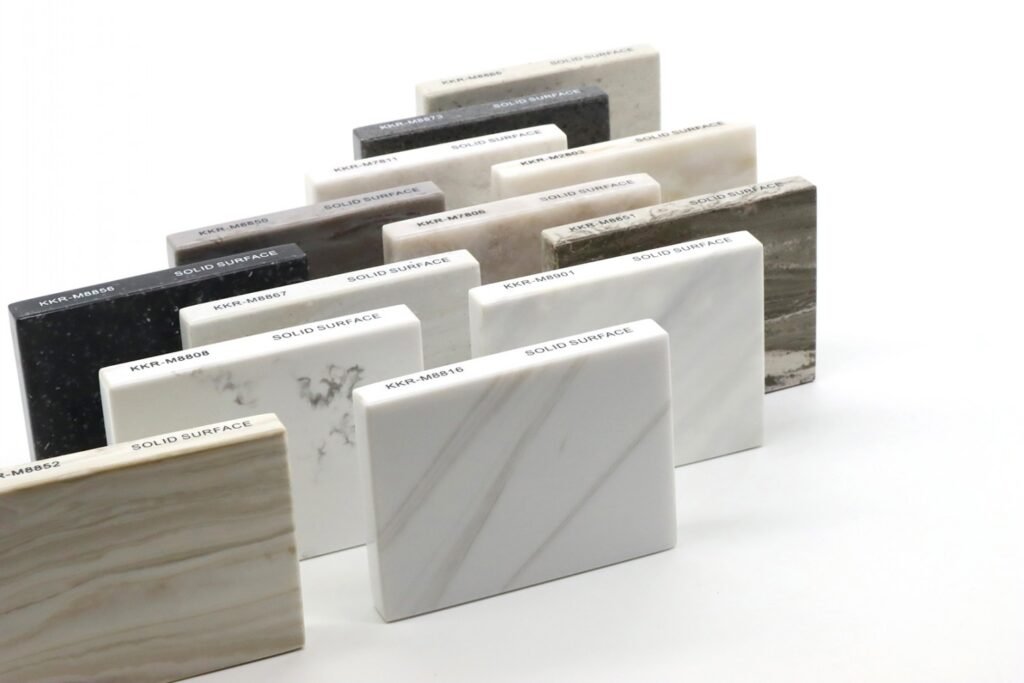
A high-performance engineered material made from acrylic resin and natural minerals. It offers a seamless, non-porous, and durable surface ideal for humid environments.
Advantages:
- Completely waterproof and mold-resistant.
- Seamless design: prevents dirt and bacteria buildup.
- Easy to repair: scratches and minor damages can be repolished.
- Highly customizable in shape, color, and texture (e.g., marble, terrazzo, or matte finishes).
- Long lifespan—perfect for hotels, resorts, and villas.
Drawbacks:
- Slightly higher cost than MDF or PVC.
- Requires professional fabrication.
Best for:
Premium residential and commercial bathrooms require durability, hygiene, and elegance.
Comparison Table: Bathroom Cabinet Material Performance
| Material | Water Resistance | Durability | Maintenance | Customization | Lifespan |
|---|---|---|---|---|---|
| MDF | ★☆☆ | ★★☆ | Medium | High | 3–5 years |
| Plywood | ★★☆ | ★★★ | Medium | Medium | 5–8 years |
| Solid Wood | ★★☆ | ★★★ | High | High | 8–10 years |
| PVC | ★★★ | ★★☆ | Low | Low | 5–7 years |
| Solid Surface | ★★★★ | ★★★★★ | Low | Very High | 15–20+ years |
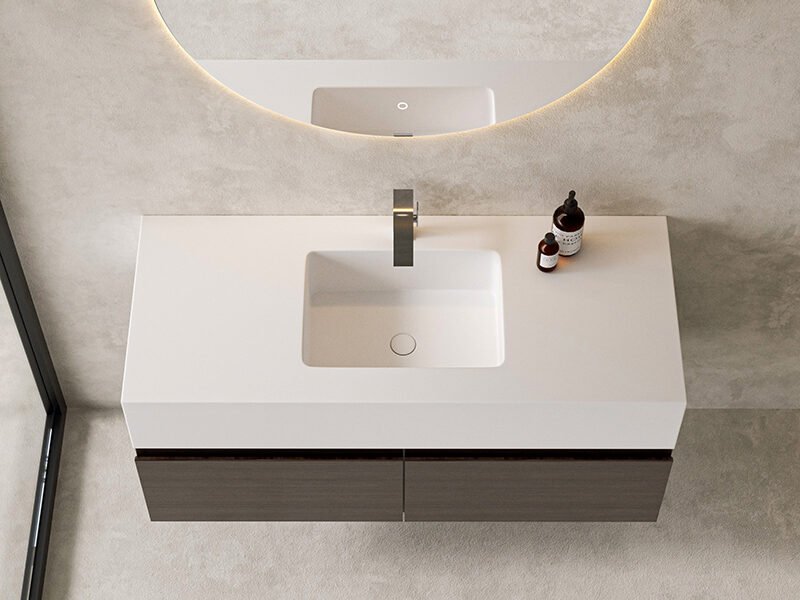
Why Solid Surface Cabinets Last the Longest
Unlike wood or laminate-based materials, solid surface doesn’t absorb water or swell over time. It maintains its beauty and structure even in high-humidity environments, making it ideal for bathrooms near the sea, hotels, or commercial washrooms.
KKR® has perfected solid surface craftsmanship over 24 years, offering:
- Seamless joint technology for a premium finish.
- Anti-yellowing and anti-mold properties.
- Flexible customization in shape, thickness, and color.
- Integration with countertops, basins, or storage units.
From freestanding cabinets to wall-mounted vanity units, KKR® ensures durability that exceeds conventional materials—backed by thousands of hotel and project installations worldwide.
Conclusion
When it comes to bathroom cabinet longevity, solid surface stands unmatched.
It offers the perfect combination of durability, hygiene, customization, and timeless design.
If you’re building or renovating for long-term performance—whether for a private residence, villa, or hotel project—choose a solid surface bathroom cabinet from KKR® for quality that truly lasts.
👉 Contact KKR® today to request samples or custom design support for your bathroom projects.
FAQs About Bathroom Cabinet Materials
1. What is the most durable material for bathroom cabinets?
Solid surface is the most durable—it’s waterproof, non-porous, and resistant to scratches, stains, and mold.
2. Are MDF cabinets suitable for humid bathrooms?
Not recommended. MDF swells and deteriorates quickly in high humidity unless properly sealed.
3. How long do solid surface cabinets last?
With proper care, solid surface cabinets can last 15–20 years or more, far longer than traditional materials.
4. Can solid surface cabinets be repaired?
Yes. Minor scratches or chips can be easily polished out, restoring their original look.
5. Are solid surface cabinets customizable?
Absolutely. KKR® offers custom dimensions, colors, finishes, and integrated basin designs to match any project’s aesthetic.